Stays in New Delhi
New Delhi is the capital of India and the centre of the National Capital Territory of Delhi. It was designed by Edwin Lutyens and Herbert Baker in the early 20th century, and its wide avenues, roundabouts and government buildings still define the central area. The city is a major political, cultural…
Every stay in New Delhi
Recent rates first, then the best-reviewed rooms.


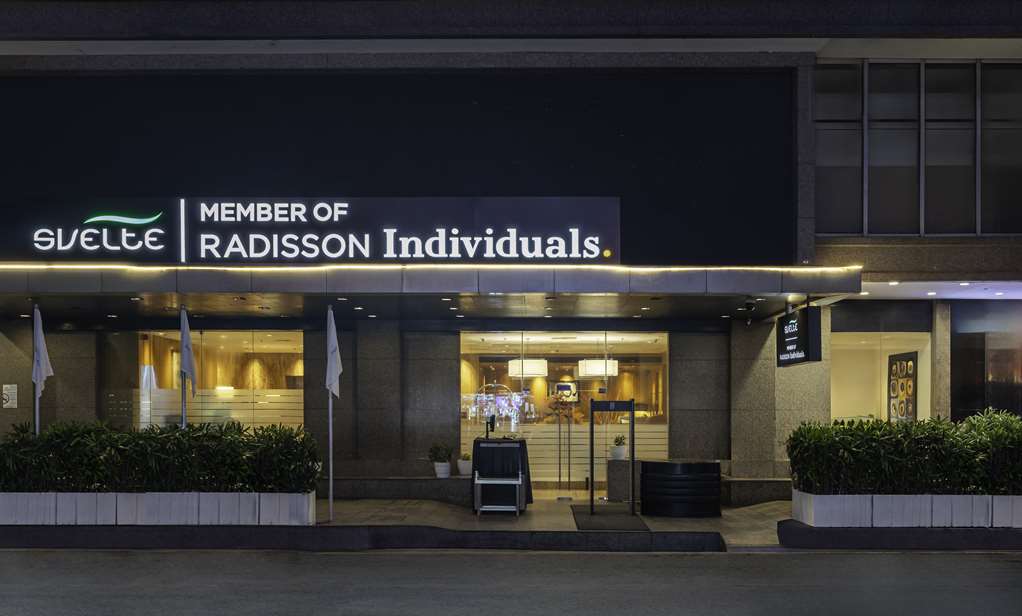

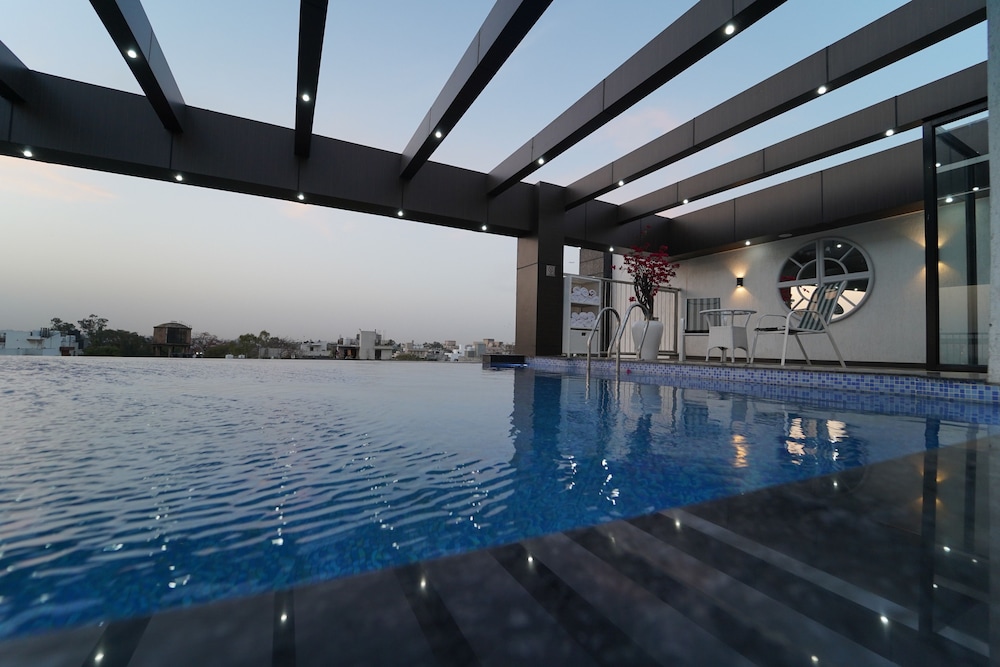


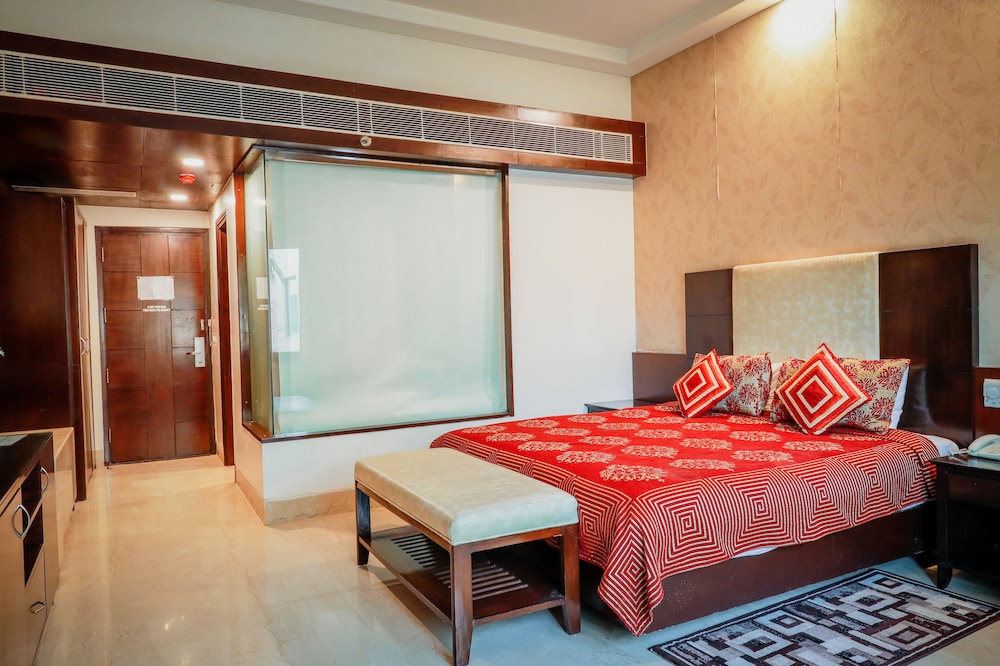


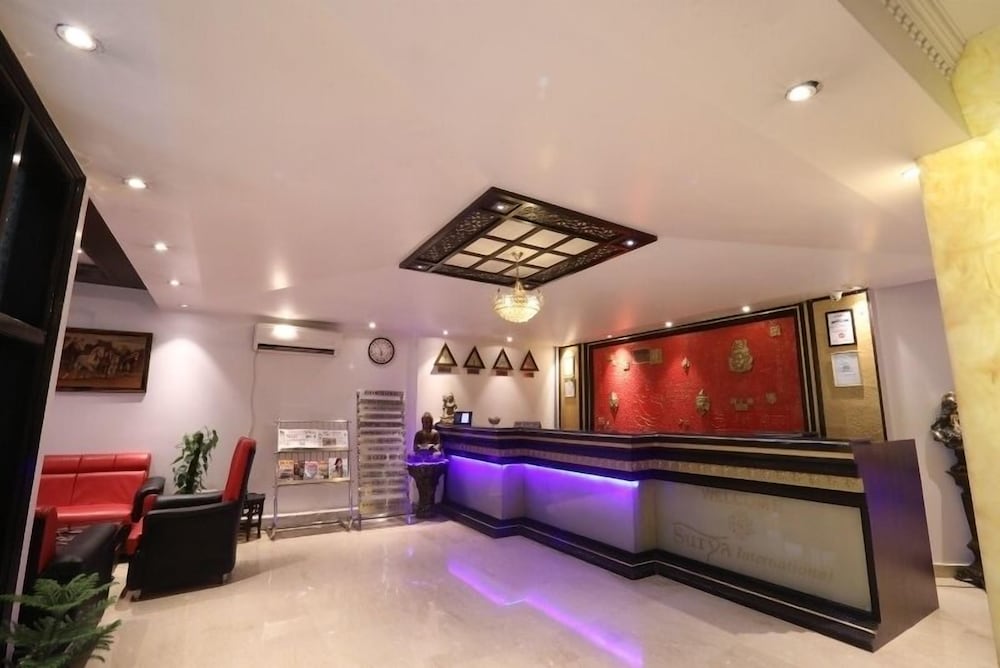


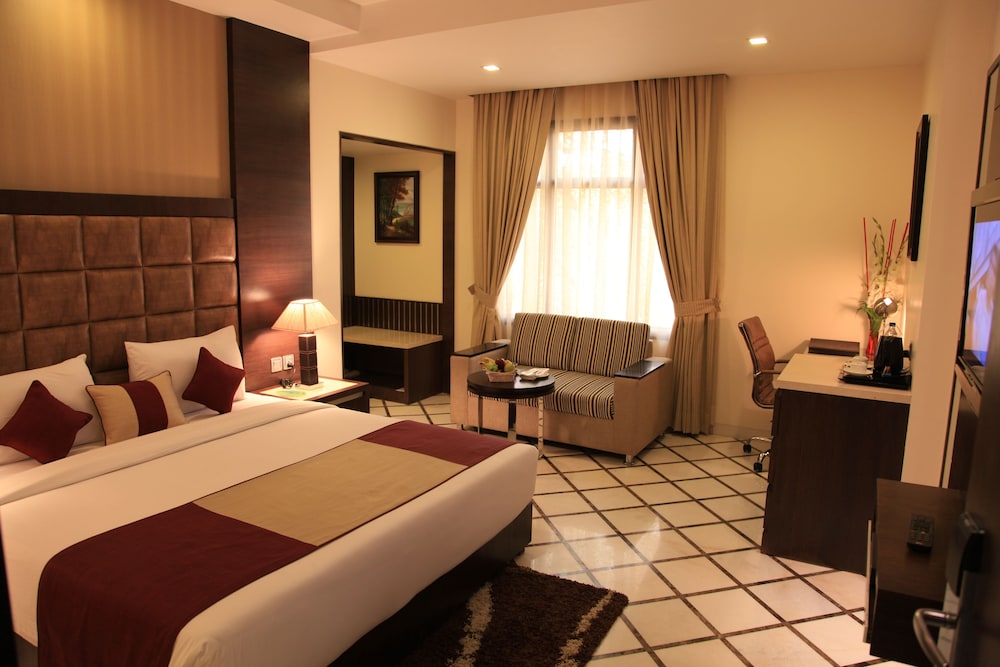


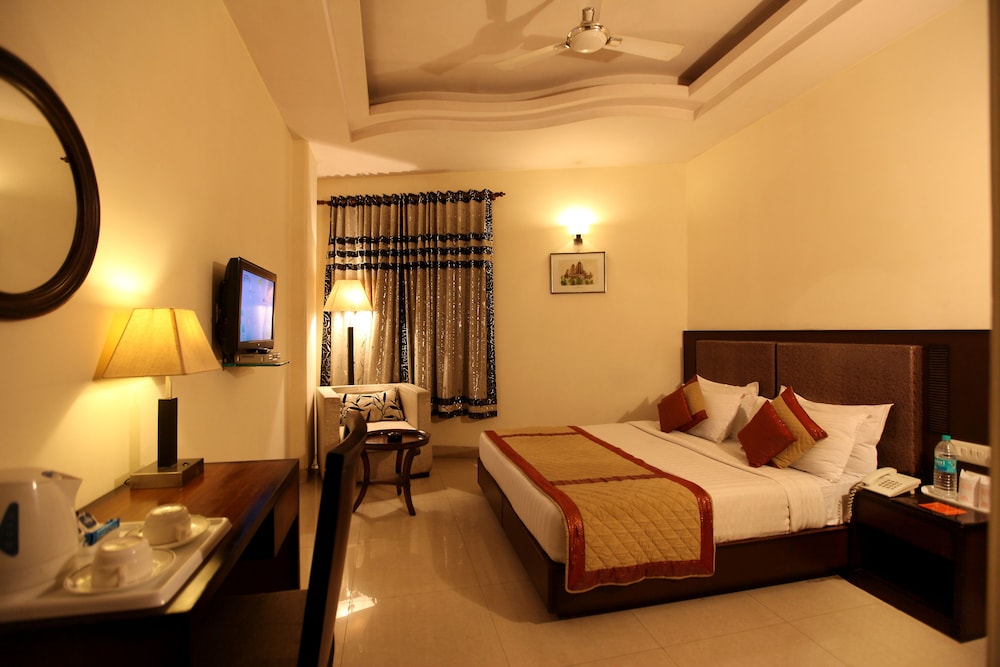
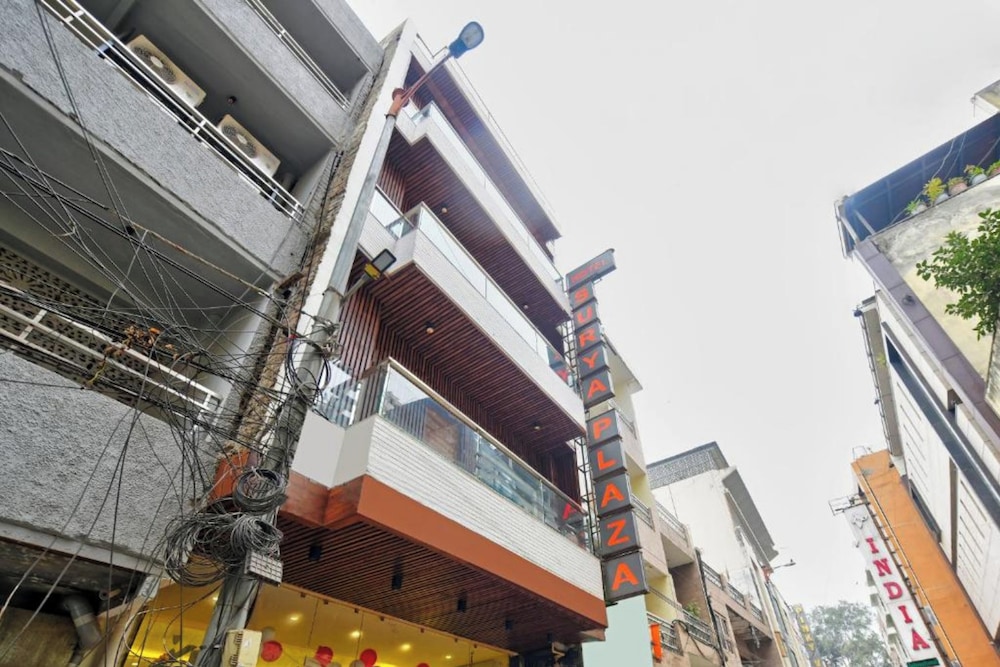


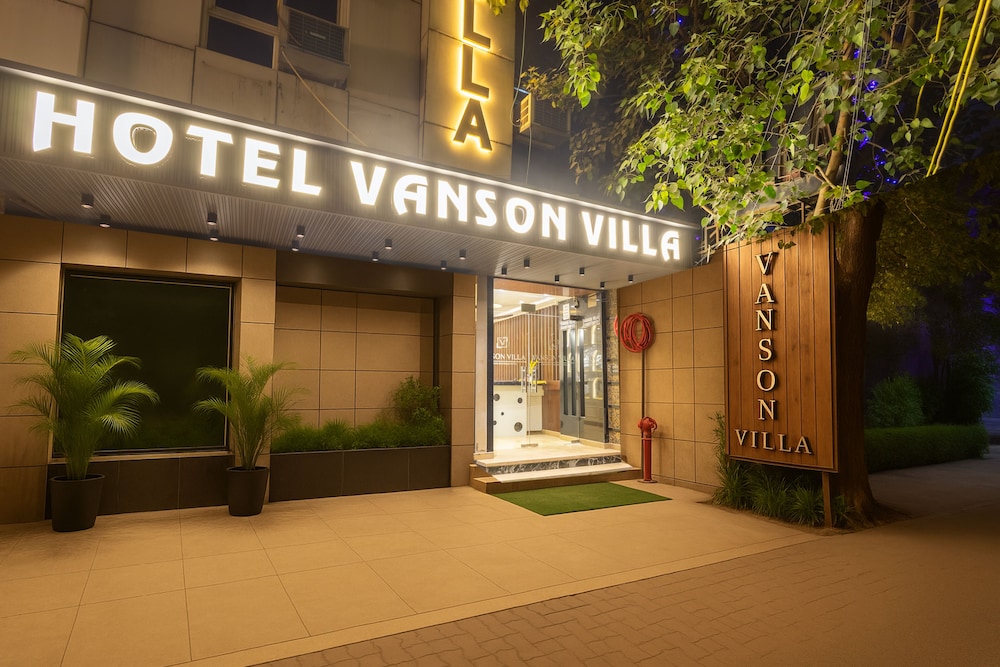
Search live rates in New Delhi
Pick your dates — every New Delhi room with a live price, in one list.
Free cancellation on most rooms · 1 t CO₂ removed per booking, at no extra cost.
About New Delhi
For visitors, New Delhi offers a mix of historical monuments, bustling markets and modern infrastructure. The India Gate, Humayun's Tomb and Qutub Minar are among the most visited sites, while areas like Connaught Place and Hauz Khas provide shopping, dining and nightlife. The city is also a gateway to the rest of India, with Indira Gandhi International Airport connecting to destinations worldwide.
Accommodation ranges from luxury hotels to budget guesthouses, with a high concentration in the central and southern districts. The metro system makes it easy to explore without a car, though traffic can be heavy. Whether you are here for business or leisure, New Delhi's layered history and contemporary energy are evident in its streets and neighbourhoods.
Where to stay in New Delhi
Connaught Place. The commercial heart of New Delhi, with colonial-era colonnades, shops, restaurants and easy access to the metro. Many mid-range and luxury hotels are located here or nearby.
Aerocity. A modern hospitality district close to Indira Gandhi International Airport, popular for transit stays and business travellers. It has a cluster of international-chain hotels.
South Delhi (Hauz Khas, Saket, Greater Kailash). Residential and commercial areas with a mix of boutique hotels, guesthouses and shopping malls. Hauz Khas Village is known for its medieval reservoir and surrounding cafes.
Dwarka. A planned sub-city in the southwest, near the airport and with its own metro connections. It offers a range of hotels, often used by business travellers and airline crews.
Getting there and around
Indira Gandhi International Airport (DEL) is the main gateway, with terminals for domestic and international flights. The Airport Express metro line connects the airport to New Delhi railway station and Shivaji Stadium in central Delhi. Taxis and app-based cabs are available, but travel times vary with traffic. New Delhi is well connected by rail to other major Indian cities, including services from Punjab. Within the city, the Delhi Metro is extensive, affordable and often the fastest way to get around; buses and auto-rickshaws fill in the gaps. Driving is possible but can be slow during peak hours.
When to go
The most comfortable time to visit is from October to March, when daytime temperatures are mild and evenings can be cool. This period also includes major festivals such as Diwali and Holi (in March). April to June brings intense heat, with temperatures often exceeding 40°C, while July to September is the monsoon season, with high humidity and occasional heavy rainfall. Winter mornings can be foggy, sometimes causing travel delays.
Questions, answered
Is New Delhi the same as Delhi?
New Delhi is a district within the larger National Capital Territory of Delhi. It is the seat of the national government, while Delhi refers to the entire metropolitan region.
How do I get from the airport to central New Delhi?
The Airport Express metro line is a direct and quick option to New Delhi railway station and Shivaji Stadium. Taxis and app-based cabs are also available outside the terminals.
What is the best way to travel around the city?
The Delhi Metro is efficient and covers most major attractions. Auto-rickshaws and app-based cabs are useful for shorter trips or places not served by the metro.
What languages are spoken in New Delhi?
Hindi and English are the most common languages for communication. Many people in the tourism and hospitality sectors speak English.
Is tap water safe to drink?
It is generally recommended to drink bottled or filtered water. Many hotels provide filtered water, and bottled water is widely available.
What should I wear when visiting religious sites?
Modest clothing that covers shoulders and knees is appropriate. Some sites may require removing shoes and covering your head.