Home/Stays/Jammu and Kashmir/Jammu
Stays in Jammu
Jammu is the winter capital of the Indian union territory of Jammu and Kashmir, located on the banks of the Tawi River. It serves as a gateway to the Himalayan region and is known for its ancient temples, particularly the Vaishno Devi shrine, which draws millions of pilgrims annually. The city has a…
Every stay in Jammu
Recent rates first, then the best-reviewed rooms. · page 1 of 2


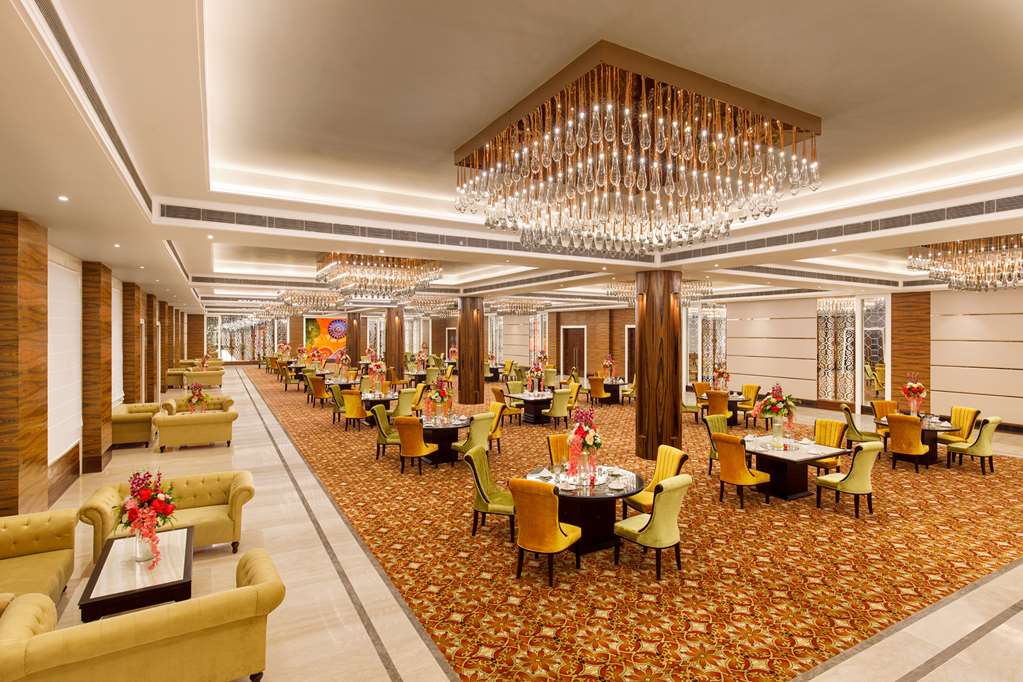
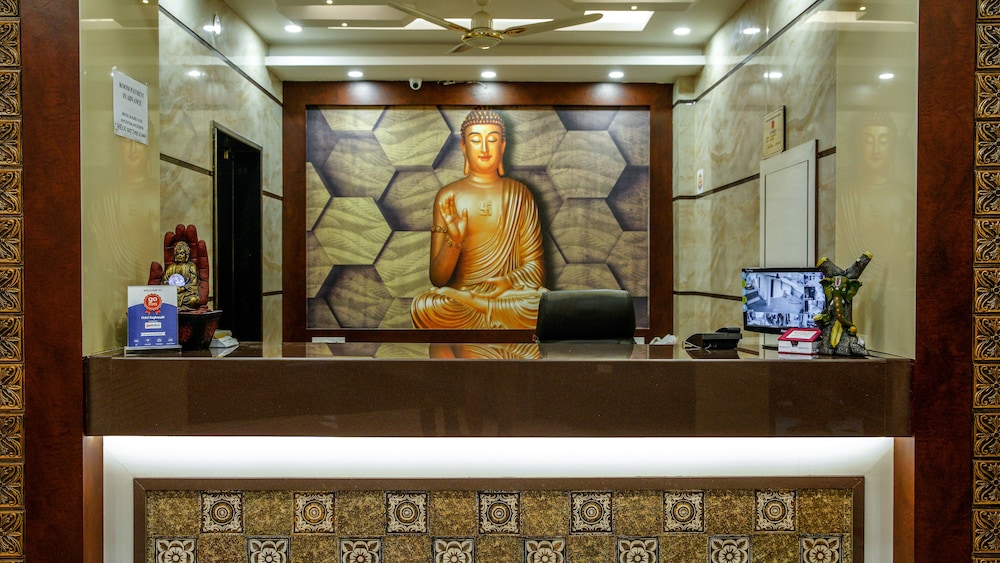
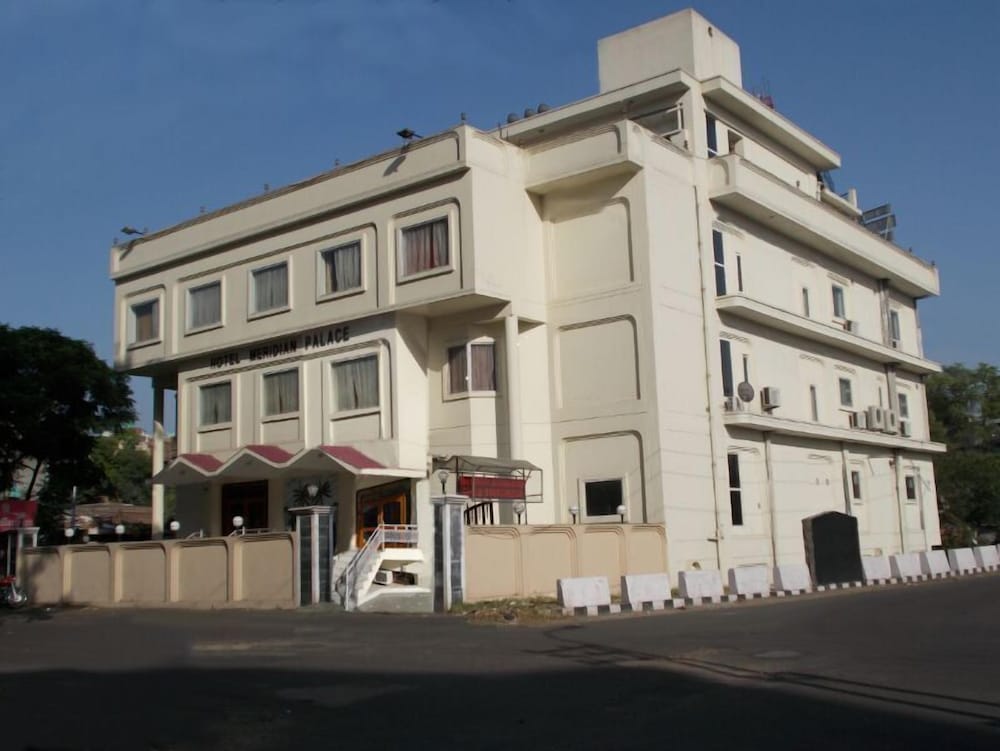
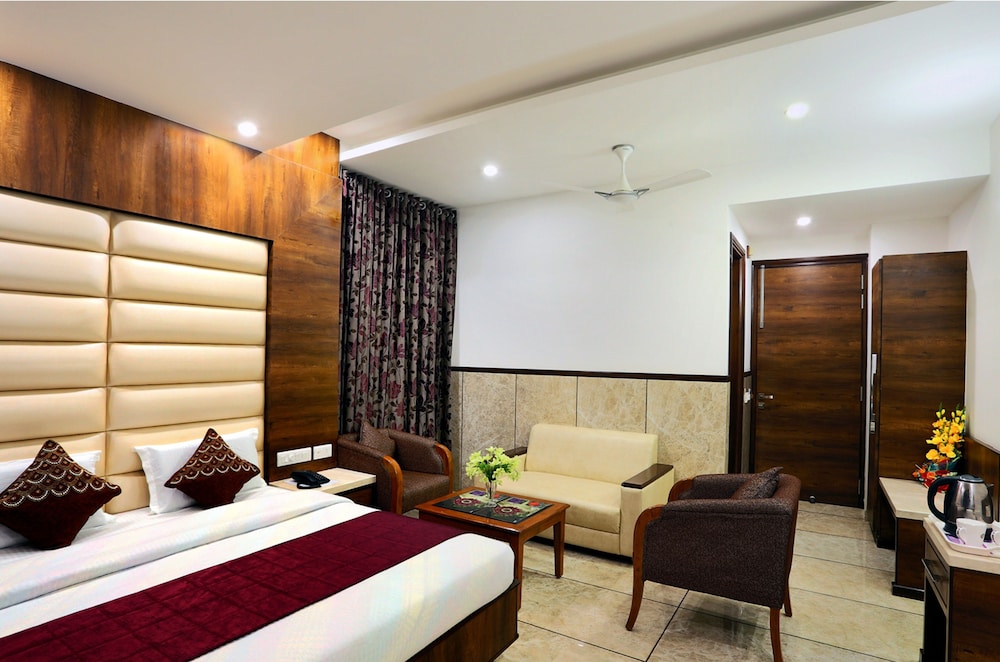
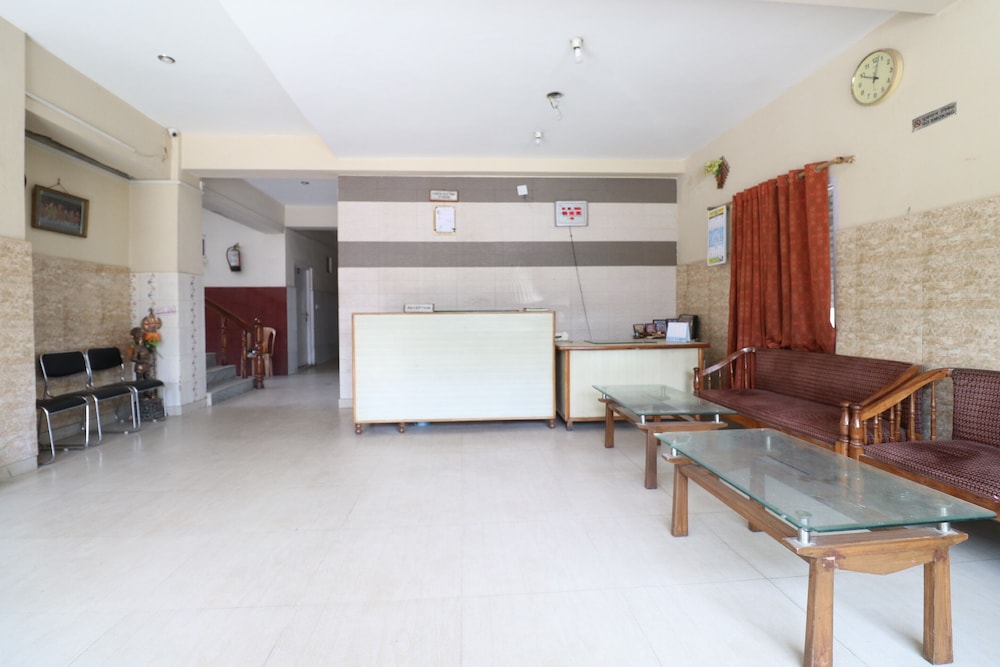
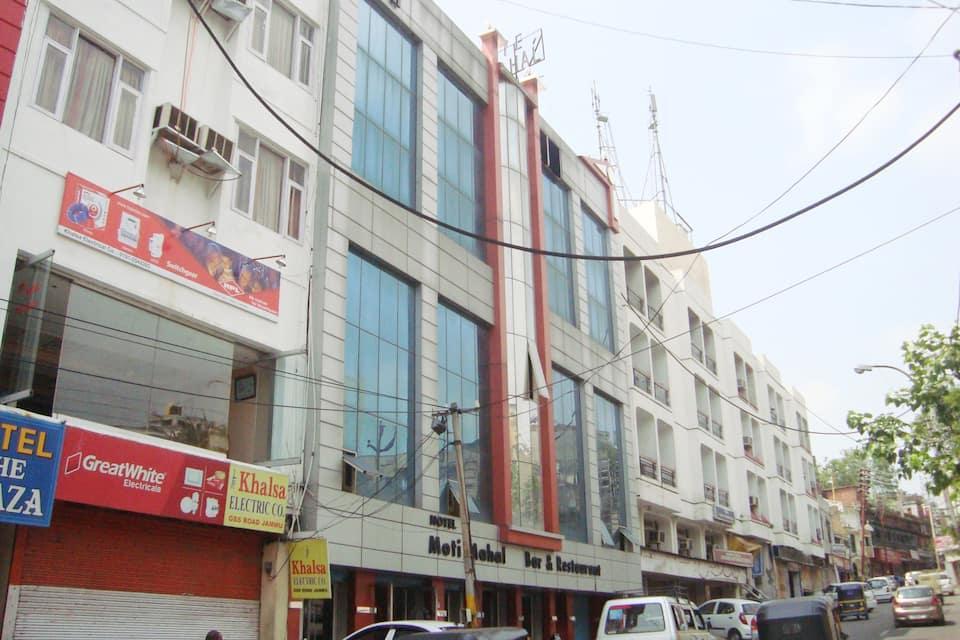
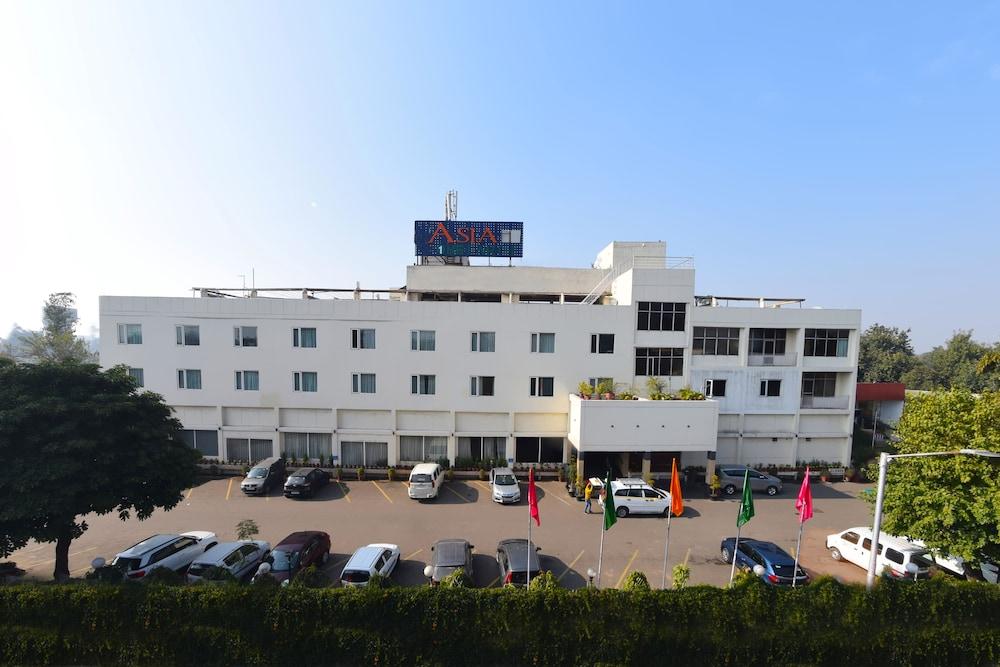
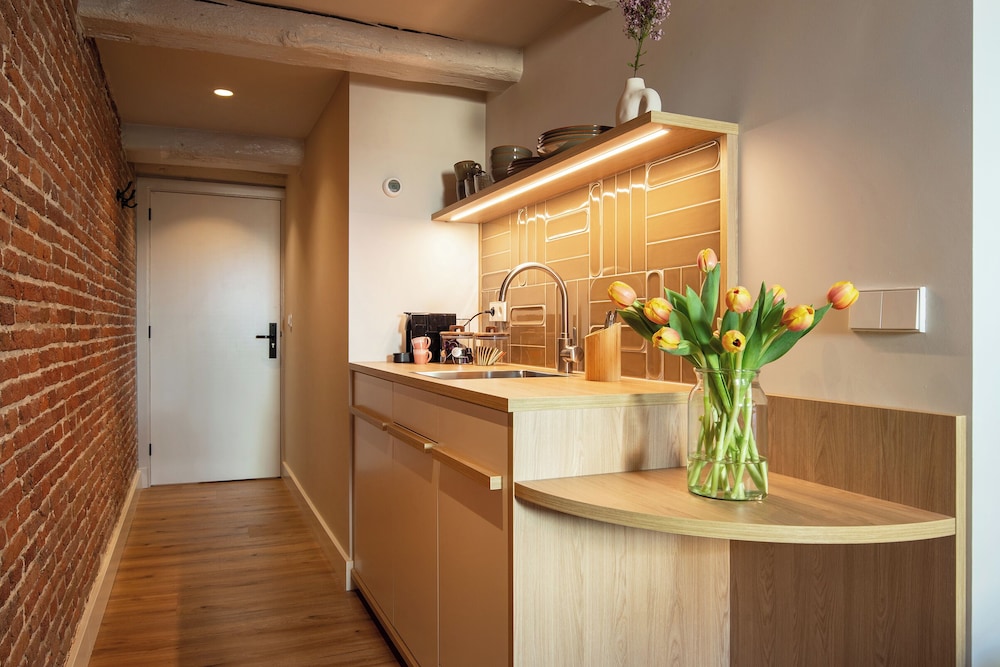
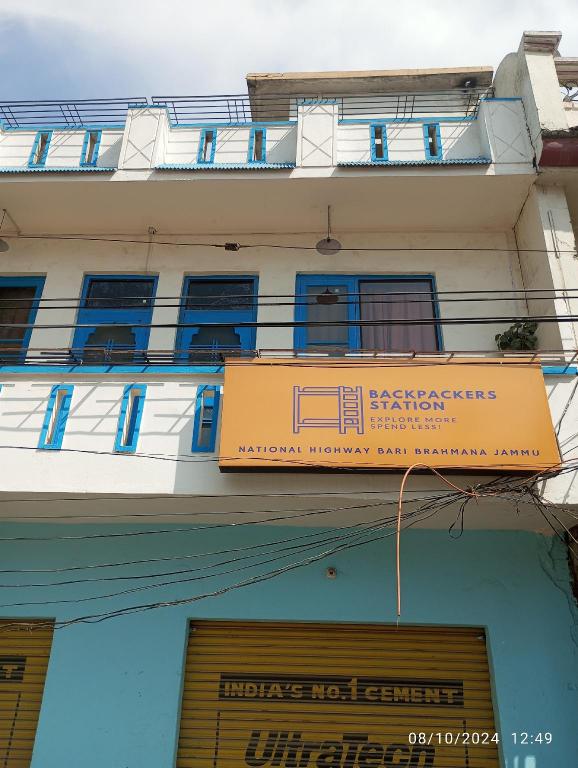
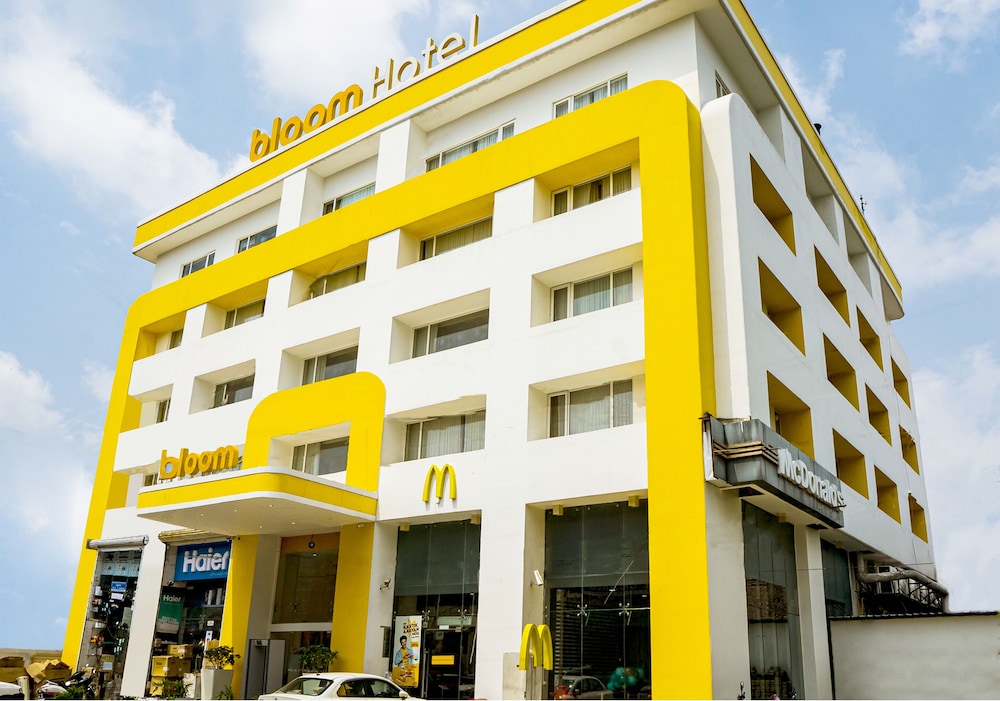
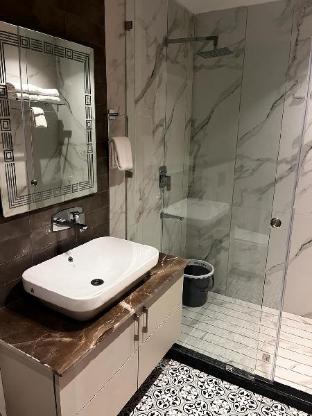

Search live rates in Jammu
Pick your dates — every Jammu room with a live price, in one list.
Free cancellation on most rooms · 1 t CO₂ removed per booking, at no extra cost.
About Jammu
Jammu's culture is a blend of Dogra traditions and influences from neighboring regions. The city is famous for its Dogra art, music, and cuisine, including dishes like rajma and kaladi. The climate varies from hot summers to cold winters, with a monsoon season. The local language is Dogri, though Hindi and English are widely spoken.
As a commercial and administrative center, Jammu has a mix of modern amenities and historical sites. The Raghunath Temple, Bahu Fort, and Mubarak Mandi Palace are key attractions. The city also serves as a base for travelers heading to Srinagar or Katra. With its strategic location and cultural heritage, Jammu offers a unique perspective on the region.
Where to stay in Jammu
Gandhi Nagar. A central and bustling neighborhood with many shops, restaurants, and hotels, convenient for business and leisure travelers.
Residency Road. An upscale area with several heritage buildings and hotels, close to attractions like Raghunath Temple and Mubarak Mandi Palace.
Bahu Fort Area. A quieter area near the historic Bahu Fort and Bagh-e-Bahu garden, offering scenic views of the Tawi River.
Trikuta Nagar. A modern residential and commercial locality with good connectivity and a range of accommodation options.
Getting there and around
Jammu is well-connected by air, rail, and road. Jammu Airport (IXJ) has flights to major Indian cities. Jammu Tawi railway station is a major railhead with direct trains from Delhi, Mumbai, and other cities. By road, Jammu is linked via National Highway 44, with regular bus services from Punjab, Delhi, and Himachal Pradesh. Within the city, taxis, auto-rickshaws, and local buses are available. App-based cab services also operate. For local sightseeing, hiring a taxi for the day is convenient.
When to go
The best time to visit Jammu is from October to March, when the weather is pleasant and suitable for sightseeing. Summers (April to June) can be hot, with temperatures often exceeding 40°C. The monsoon season (July to September) brings heavy rainfall and humidity. Winters (December to February) are cold but mild compared to other parts of the region, making it a good time for temple visits and exploring the city.
Questions, answered
What is Jammu known for?
Jammu is known for its ancient temples, particularly the Vaishno Devi shrine, and its Dogra heritage. It is also a gateway to the Kashmir Valley.
How do I get to Jammu?
Jammu is accessible by air, rail, and road. The city has an airport and a major railway station, and is well-connected by highways to other parts of India.
What is the local cuisine of Jammu?
Local cuisine includes Dogra dishes like rajma with rice, kaladi (a type of cheese), and ambal. Street food and North Indian fare are also widely available.
Is Jammu safe for tourists?
Jammu is generally safe for tourists, with a low crime rate. However, it's advisable to stay updated on local conditions and follow standard travel precautions.
What are the top attractions in Jammu?
Key attractions include Raghunath Temple, Bahu Fort, Mubarak Mandi Palace, and Bagh-e-Bahu. The Vaishno Devi shrine is nearby in Katra.
What languages are spoken in Jammu?
Dogri is the local language, but Hindi and English are widely understood. Punjabi and Urdu are also spoken by some residents.