Home/Stays/Jammu and Kashmir/Srinagar
Stays in Srinagar
Srinagar, the summer capital of Jammu and Kashmir, sits in the Kashmir Valley along the Jhelum River. It is known for Dal Lake and the Mughal-era gardens that surround it. The city has a long history as a centre of trade, crafts and learning, and its houseboats and shikaras are among its most recognisable features.
Every stay in Srinagar
Recent rates first, then the best-reviewed rooms. · page 1 of 12
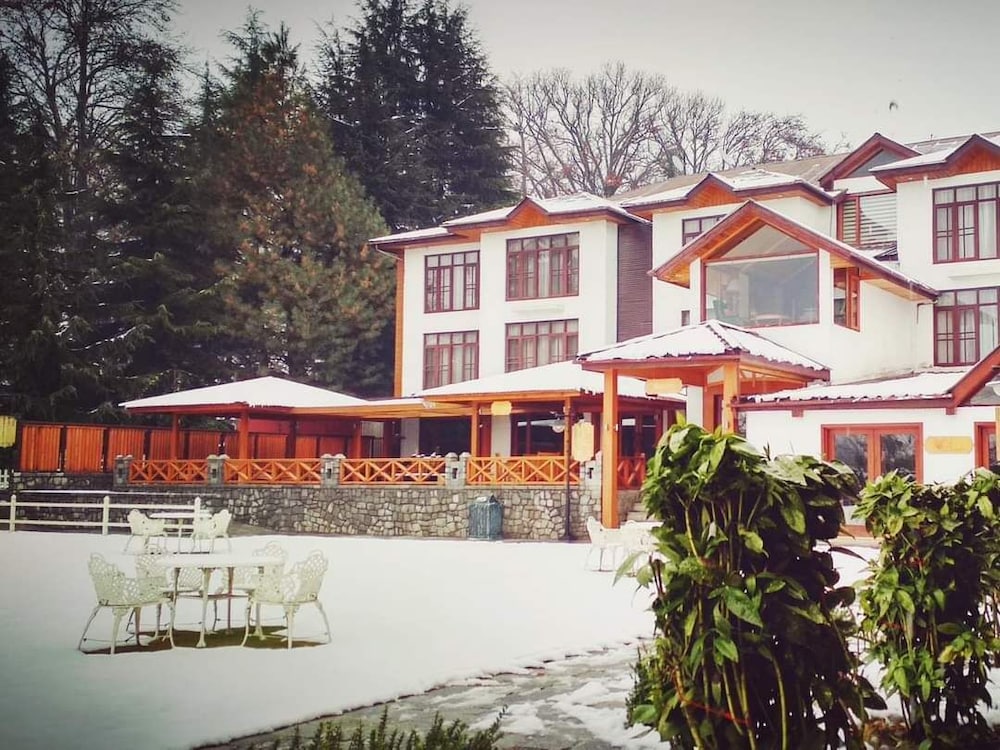
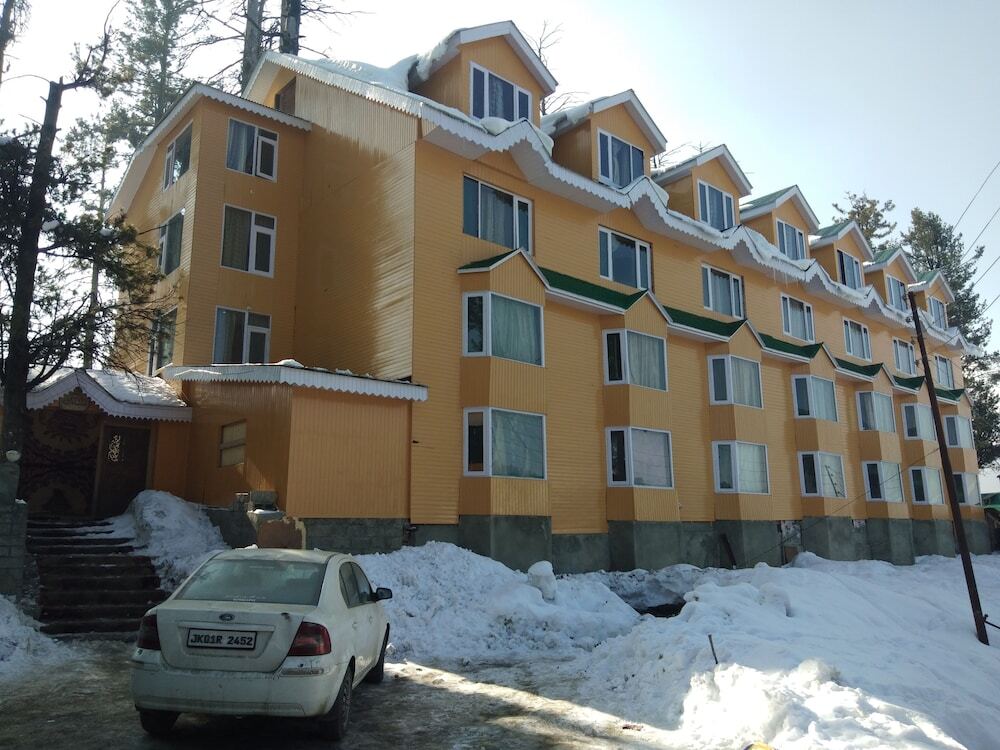
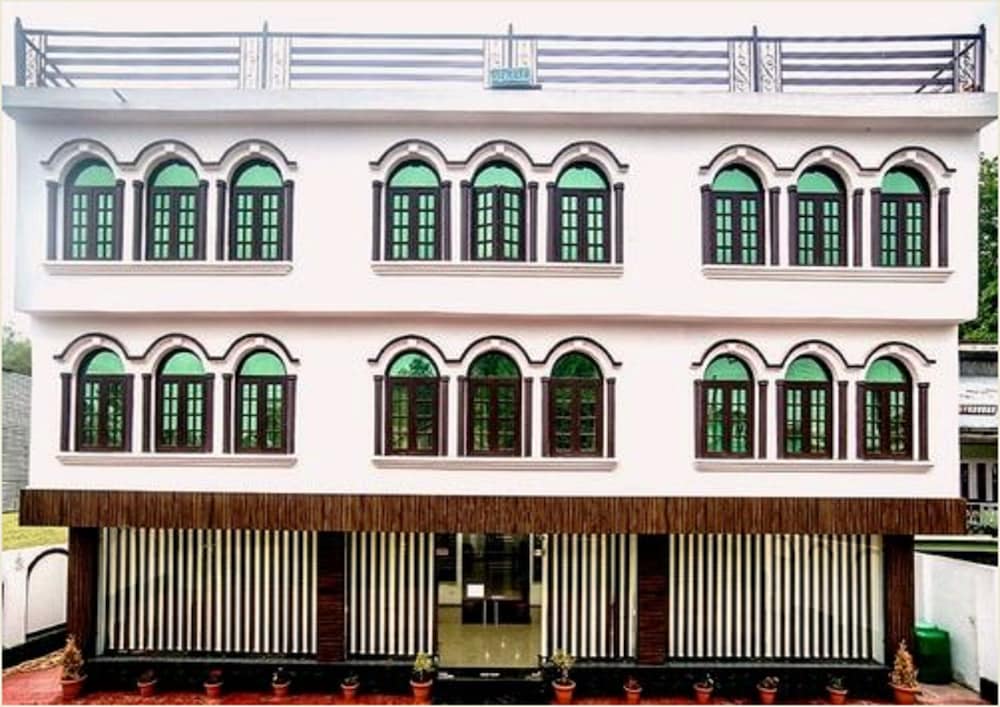
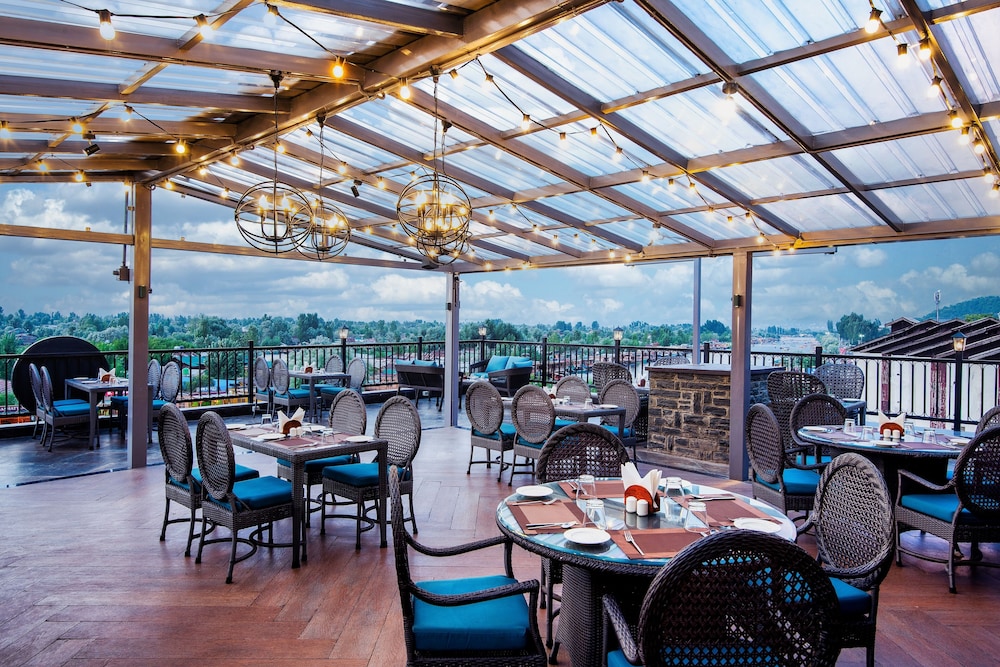
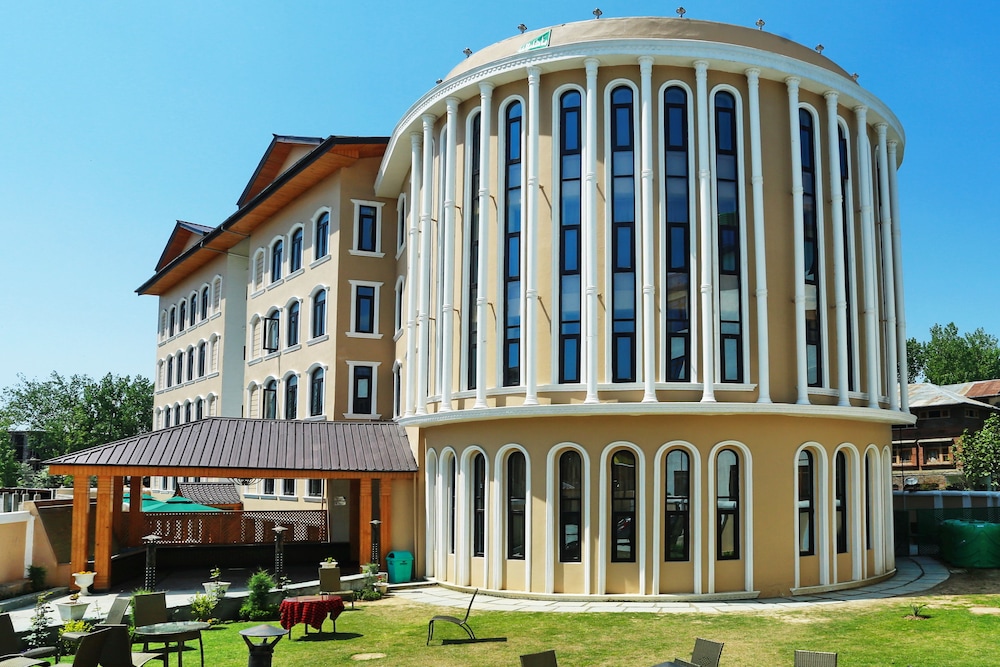
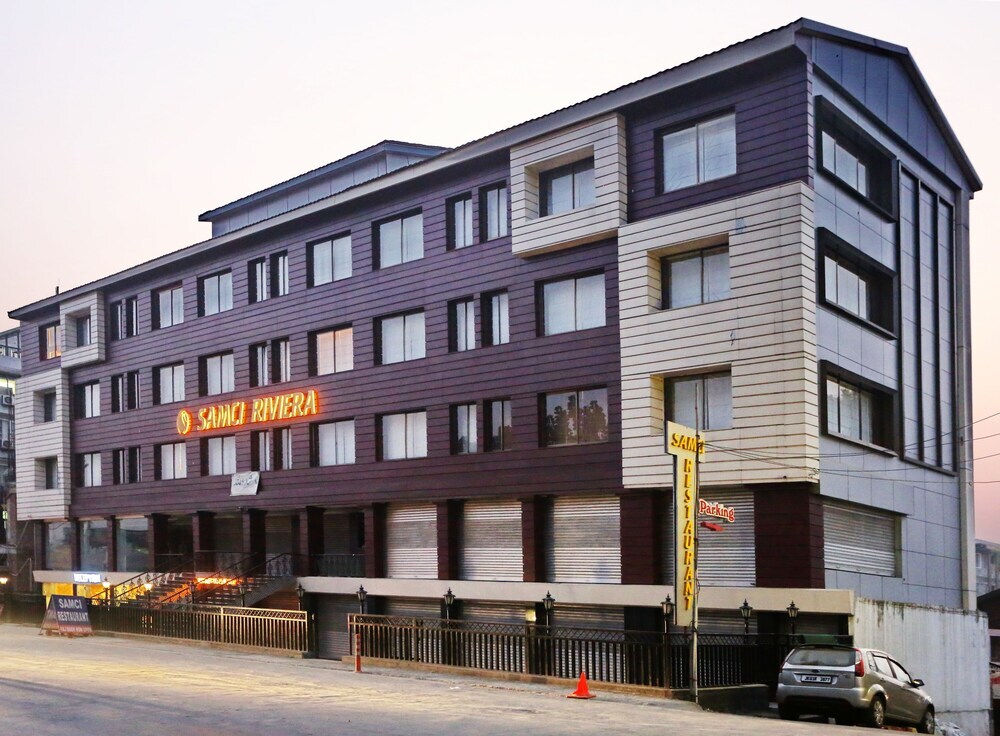
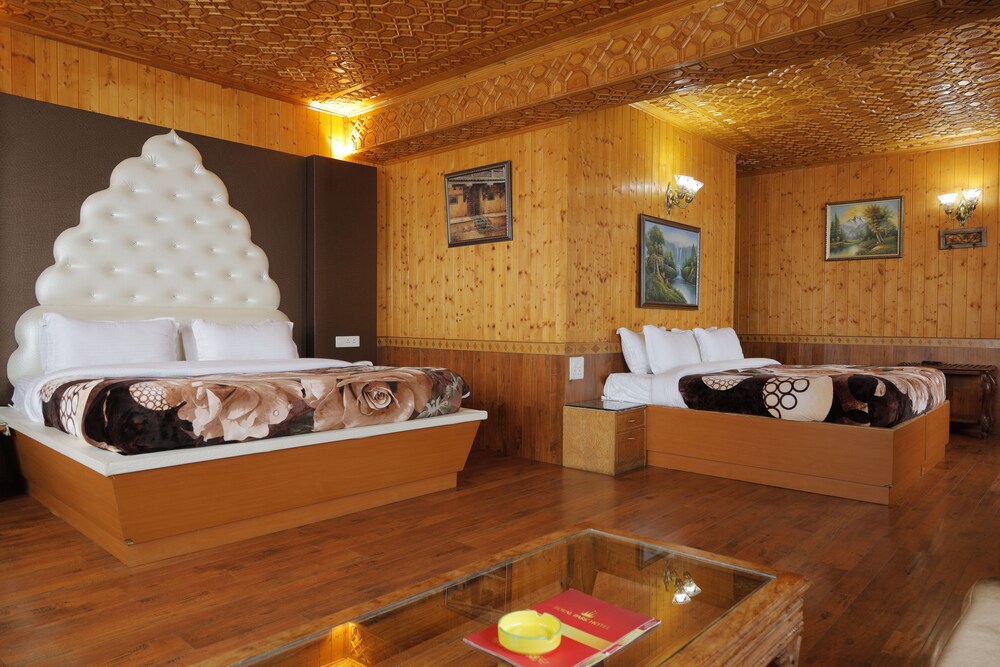
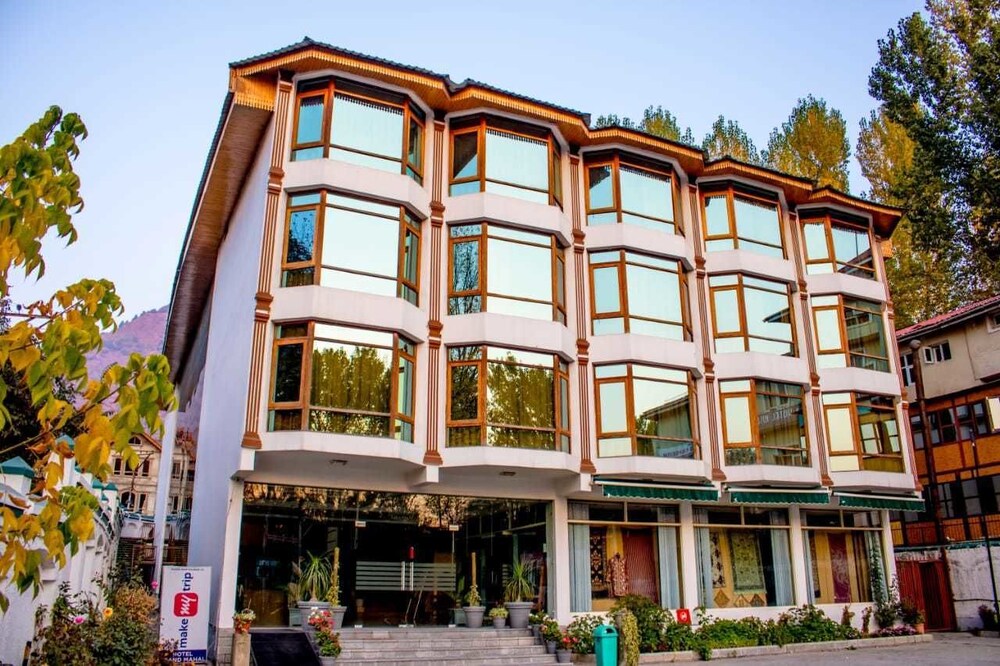
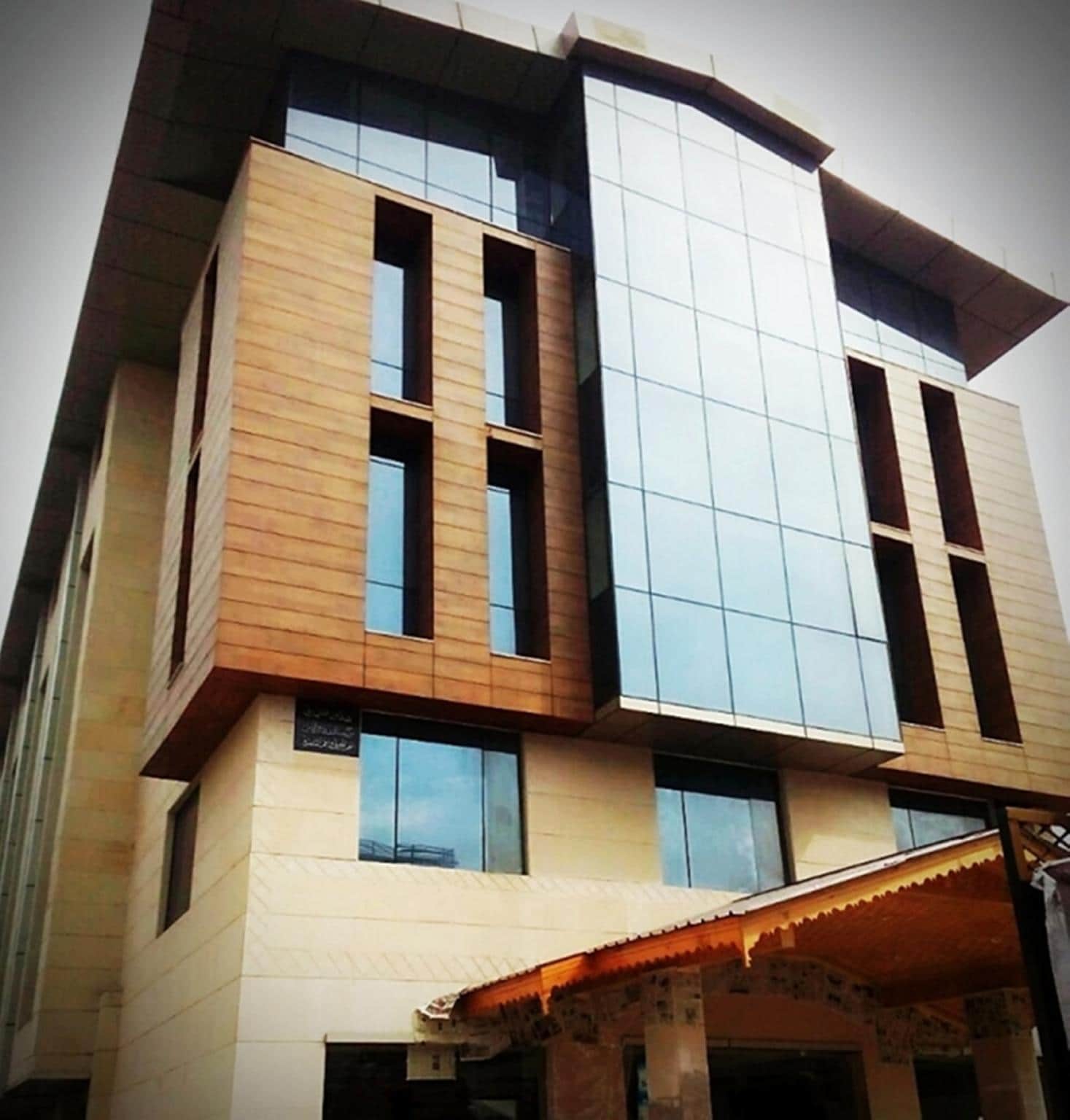


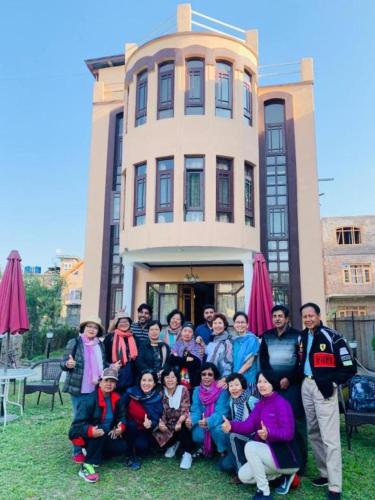
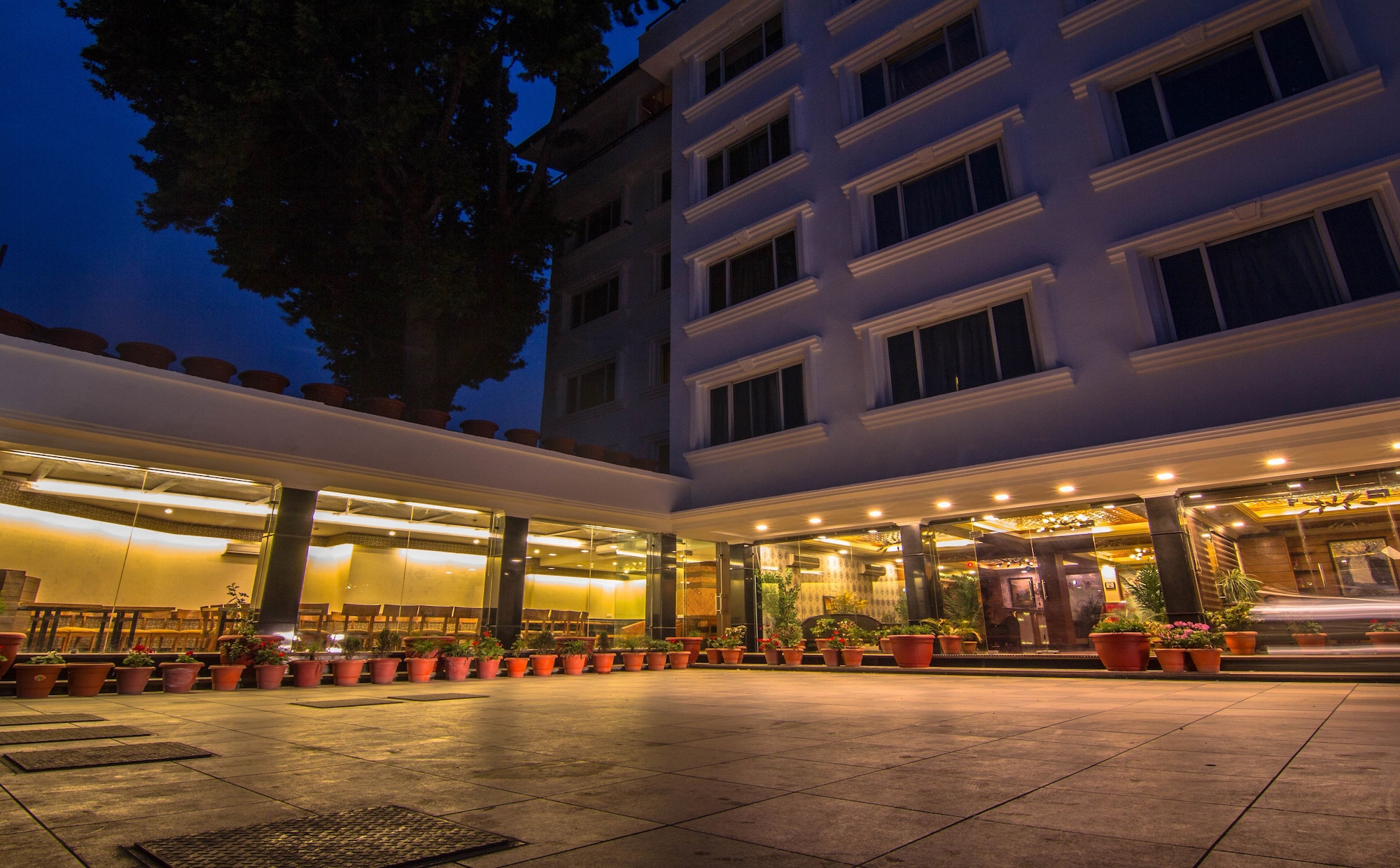
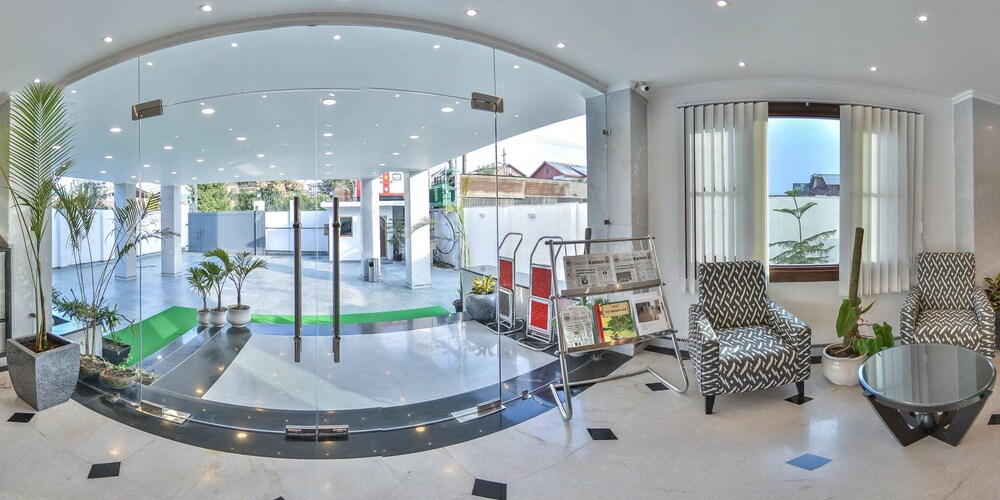
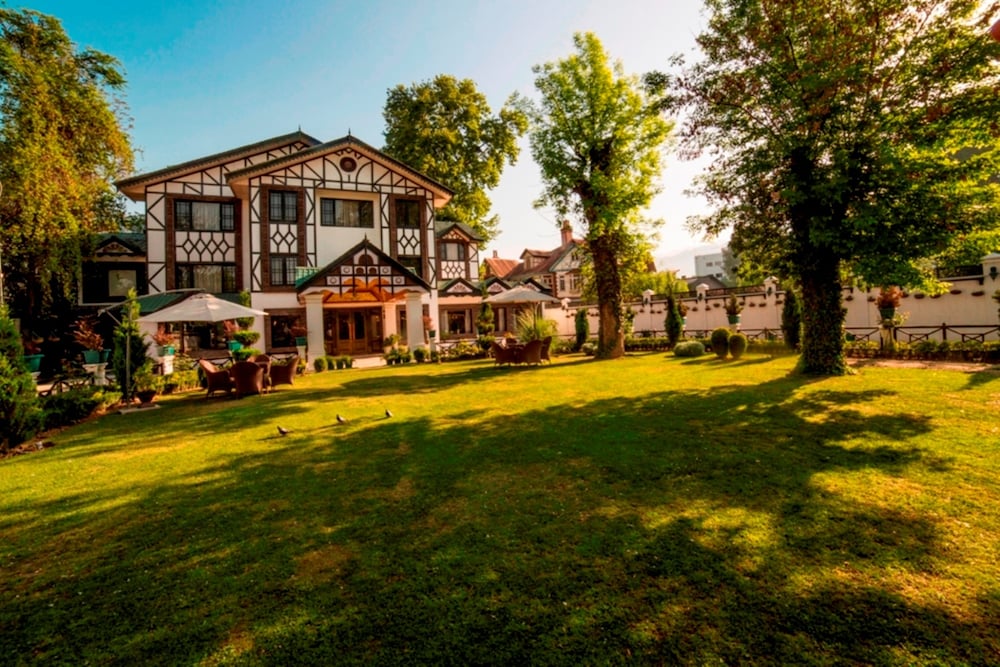
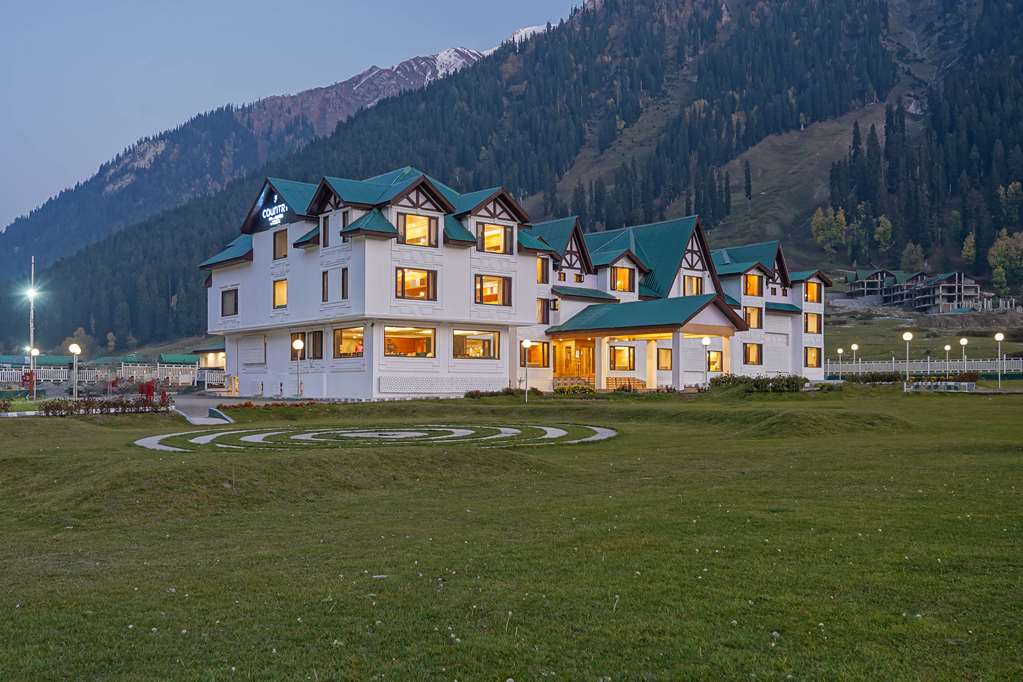
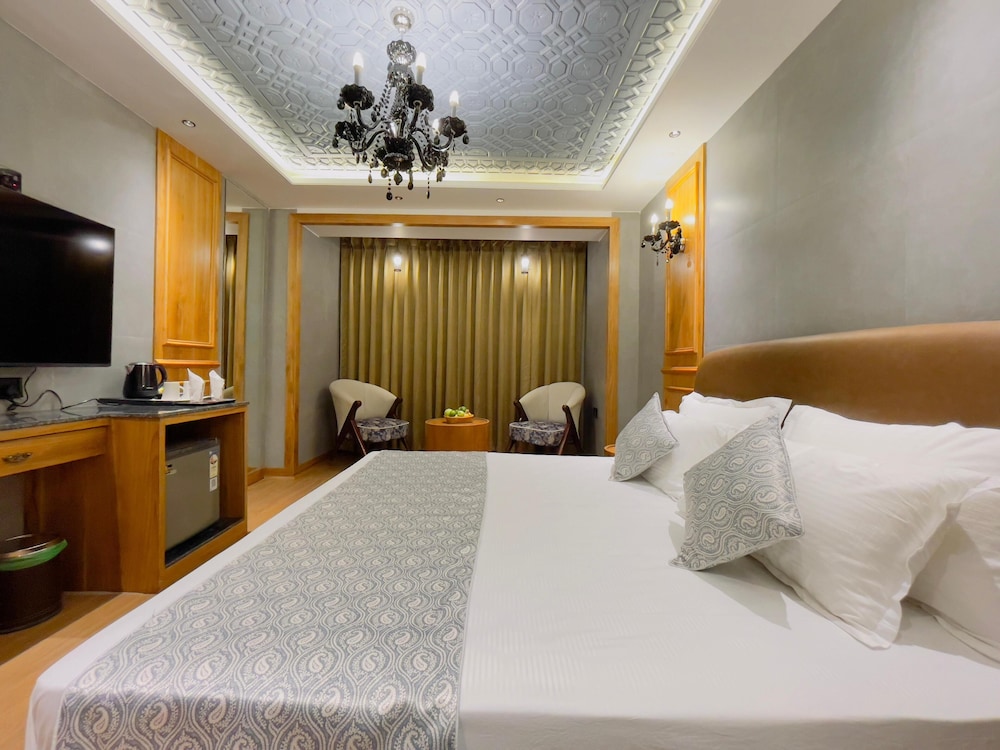
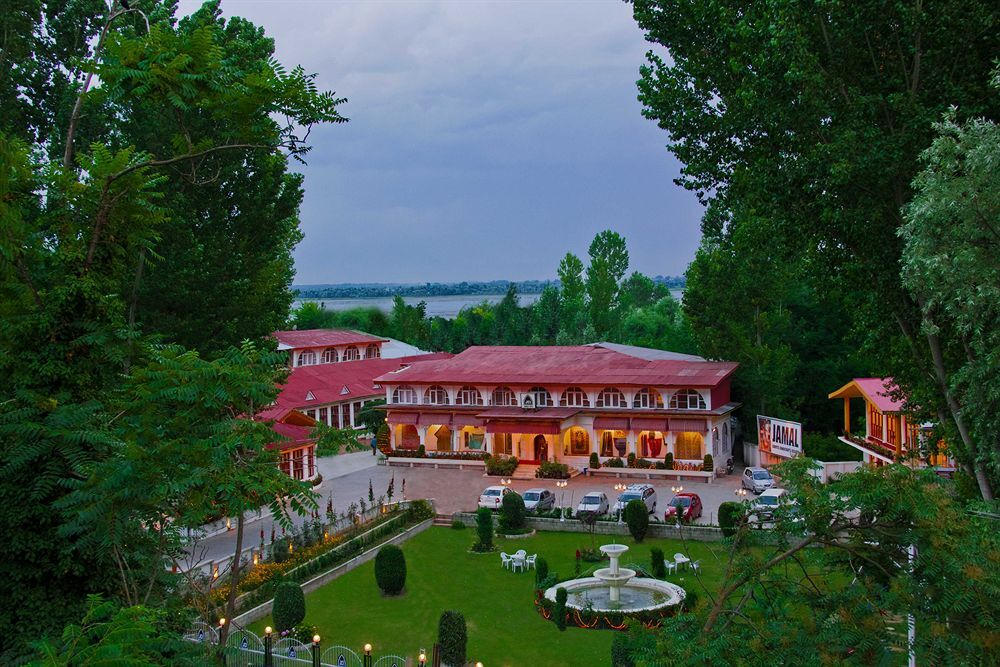
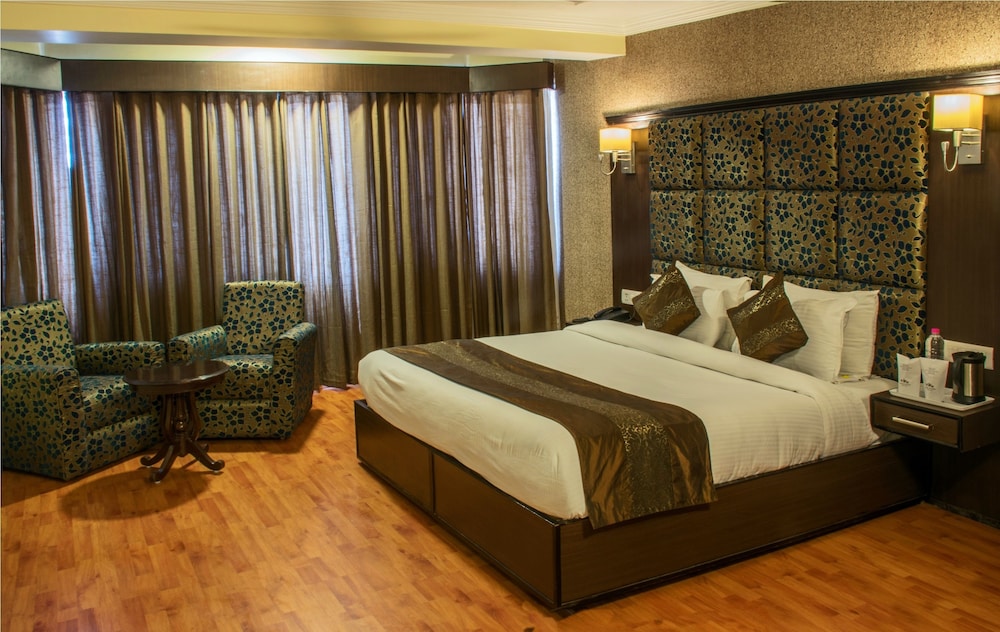
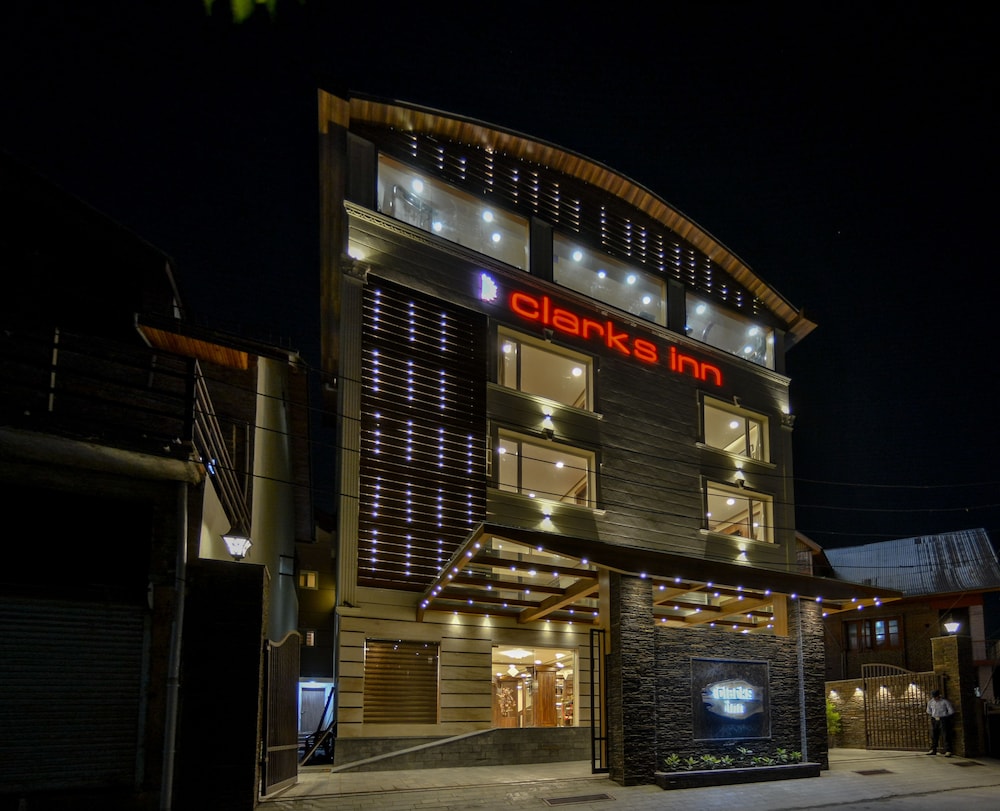
Search live rates in Srinagar
Pick your dates — every Srinagar room with a live price, in one list.
Free cancellation on most rooms · 1 t CO₂ removed per booking, at no extra cost.
About Srinagar
The old city centres on the Jhelum, with wooden bridges and historic mosques, while the areas around Dal Lake are greener and more open. Srinagar's climate is temperate: summers are mild and winters cold, with snow possible. The city is predominantly Muslim, with a significant Kashmiri Pandit heritage and other communities.
For visitors, the main draws are the lake, the gardens and the old city's crafts, including pashmina and papier-mâché. The city is also a base for trips to Gulmarg, Pahalgam and Sonamarg. With 847 hotels listed on our site, ranging from 5-star to unrated, and an average guest score of 4.1 out of 5, there is a wide choice of accommodation.
Where to stay in Srinagar
Dal Lake. Staying on or near Dal Lake means houseboats and views of the water, with easy access to shikara rides and the floating market.
Lal Chowk. Lal Chowk is the central commercial area, close to the old city, handicraft shops and the Jhelum, though it can be busy.
Rajbagh. Rajbagh is a quieter residential area on the eastern side of the Jhelum, with some hotels and guesthouses within walking distance of the riverfront.
Sonwar Bagh. Sonwar Bagh is an upscale residential area south of Dal Lake, where several larger hotels are located, away from the busiest tourist spots.
Getting there and around
Srinagar is served by Sheikh ul-Alam International Airport, about 15 kilometres from the city centre, with flights from Delhi, Mumbai and other Indian cities. By train, the nearest major railhead is Jammu Tawi, from where you can continue by road or by the Banihal rail link to Srinagar. By road, Srinagar is connected to Jammu and the rest of India via the Jawahar Tunnel; the journey from Punjab involves travelling through Jammu and the mountains. Within the city, taxis, auto-rickshaws and local buses are available; shikaras are used on Dal Lake and the Jhelum.
When to go
The best time to visit Srinagar is from April to October, when the weather is mild and the gardens are in bloom. Summer (June to August) is pleasant, though it can be crowded. Winter (December to February) is cold, with snow in the city and surrounding hills, and some facilities may be limited. Spring (March to May) and autumn (September to November) offer comfortable temperatures and clear views.
Questions, answered
What is Srinagar known for?
Srinagar is known for Dal Lake, its houseboats and shikaras, the Mughal gardens such as Nishat and Shalimar, and its traditional crafts including pashmina shawls and papier-mâché.
How do I get around Srinagar?
Taxis and auto-rickshaws are common for getting around the city, and local buses serve many routes. On Dal Lake, shikaras are the main form of transport.
Is Srinagar safe for tourists?
Srinagar is generally safe for tourists, but it is advisable to check current travel advisories and local conditions before you go, as the situation can change.
What is the best time to visit Srinagar?
The best time is from April to October, when the weather is mild. Winter can be very cold, with snow, and some services may be reduced.
What are the main attractions in Srinagar?
The main attractions include Dal Lake, the Mughal gardens, the old city and its mosques, and the floating market. The city is also a base for trips to Gulmarg, Pahalgam and Sonamarg.
What languages are spoken in Srinagar?
Kashmiri is the most widely spoken language, along with Urdu and Hindi. English is also understood in tourist areas.