Amritsar
Home of the Golden Temple, langar for 100,000 daily, and the loudest, greasiest food streets in north India.
 Golden Temple reflected in the sarovar at dawn, Amritsar
Why people stay in Amritsar
Amritsar is the reason most people come to Punjab, and it earns it. The Harmandir Sahib (Golden Temple) is open 24 hours, free, and genuinely moving at 4am when the Palki Sahib ceremony starts. Stay inside the walled city if you want to walk to darshan barefoot at dawn; stay near Ranjit Avenue if you want a quiet hotel and don’t mind a ₹150 auto ride. Skip the Heritage Street tourist shops — the real bazaar is Katra Ahluwalia.
By 9pm the area around the temple is still packed, Jallianwala Bagh has closed (last entry 6pm), and the dhabas on Lawrence Road are firing up. Kesar da Dhaba has been overrated since about 2015 — go to Bharawan da Dhaba on Town Hall Road instead, or Kanha Sweets for chhole bhature. Suits: first-timers, food obsessives, anyone with a spiritual pulse. Skip if you need silence — this city does not do silence.
The free kitchen at the Golden Temple, Guru Ram Das Langar, feeds over 100,000 people a day and never closes; volunteers hand-roll chapatis in a hall the size of an aircraft hangar, and anyone can sit cross-legged on the floor mats and eat for nothing, though most drop a ₹20 or ₹50 note in the donation box on the way out. A ten-minute walk away, the Partition Museum in Town Hall opens 10am-6pm (₹100 entry) and is worth the detour before or after darshan — it fills a real historical gap that the temple itself does not attempt to explain.
October to March is the sensible window — daytime highs sit around 20°C and the marble parikrama around the sarovar is bearable barefoot even at noon. May and June push past 42°C and the same marble will blister feet by 10am; locals go before sunrise and after 7pm only. Baisakhi (13-14 April) and the Guru Nanak Gurpurab in November bring the biggest crowds of the year, doubling hotel rates inside the walled city — book Ranjit Avenue instead that week, or expect to pay ₹3,000 for a room that is normally ₹1,200.
The walled city inside Hall Gate is best for temple access — budget guesthouses on Katra Ahluwalia and Guru Bazaar run ₹1,500-2,900 a night, and options like Tejas Homestay Just 2 Minutes From Golden Temple or Backpackers Nest suit anyone who wants to walk to darshan barefoot. Ranjit Avenue and Mall Road hold the mid-range and business hotels, ₹3,800-7,500, quieter and with reliable AC — Holiday Inn Amritsar Ranjit Avenue by IHG, Courtyard by Marriott Amritsar and Best Western Merrion all sit within a short auto ride of the temple. Avoid the strip along GT Road near the bus stand — cheap but genuinely loud with truck traffic all night. The SGPC-run Guru Ram Das Niwas next to the temple is free for pilgrims but dorm-style; don’t expect a private bathroom. For a proper heritage stay a few minutes' walk from the gate, book SureStay Hotel by Best Western Heritage Walk or Bloom Hotel Heritage Walk over anything on GT Road.
Things to do in Amritsar

The Palki Sahib procession happens around 9:45pm in summer, 8:45pm winter — enter via the clock tower gate on Golden Temple Road. Free langar upstairs is open all night.
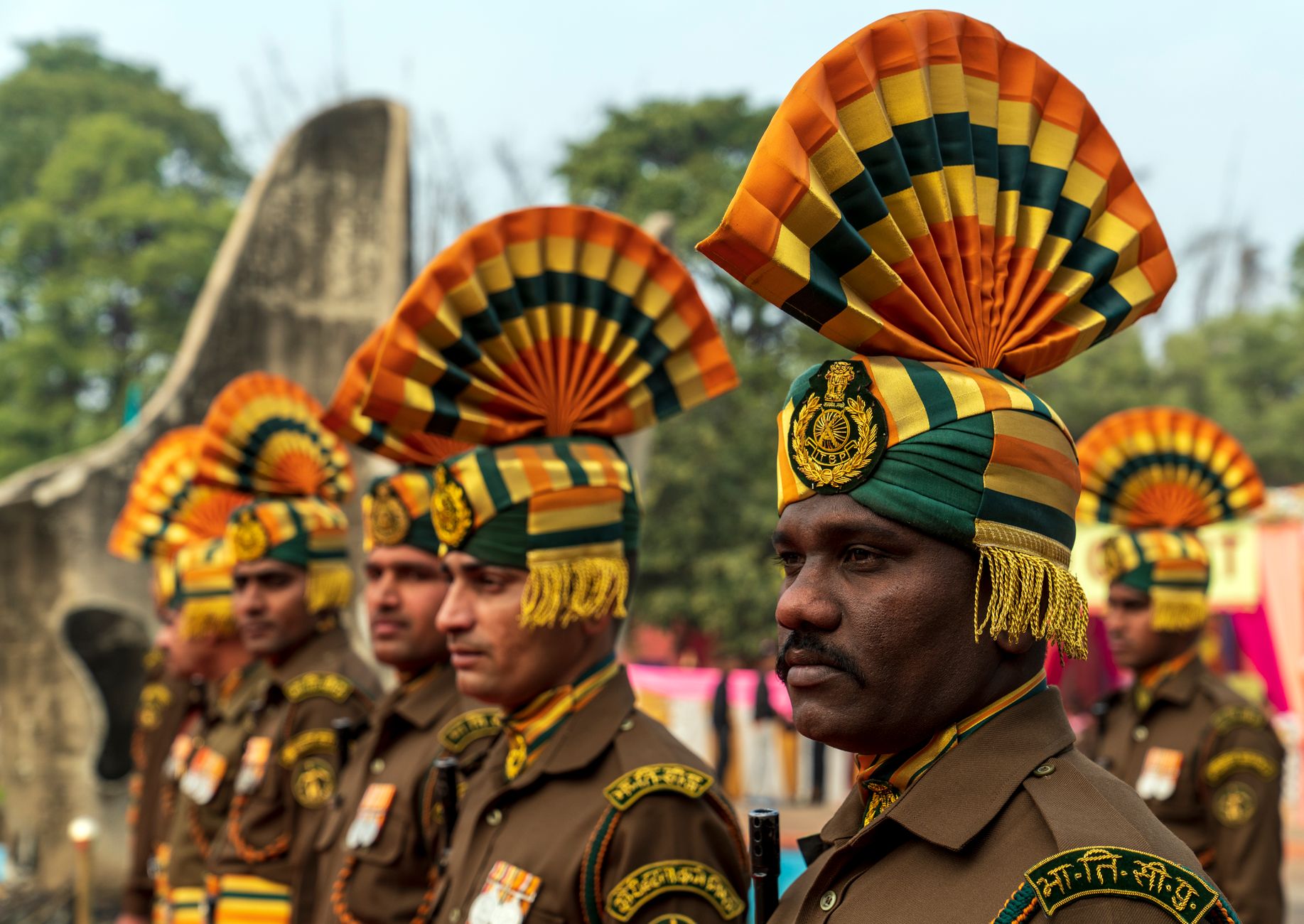
The India-Pakistan border flag-lowering runs daily at 5:15pm winter, 6:15pm summer — 30km west via Attari. Shared taxis from near Golden Temple around ₹500 return, VIP seating requires a passport.

The 1919 massacre site, entrance on Golden Temple Road right next to the main gate. Free, open 6:30am-7:30pm. The bullet marks in the wall are real and unmarked visitors miss the well.

Start at Monga Kulcha on Ranjit Avenue B-Block for the stuffed potato version (₹100), then All India Famous Kulcha Land near Alpha One Mall. Skip anything on Heritage Street.

The Mughal-style garden on Mall Road holds the Maharaja Ranjit Singh Museum inside a summer palace, open 10am-4:30pm, entry ₹20. Ten minutes' walk from the Ranjit Avenue hotels, it is a quiet counterpoint to the temple crowds and rarely takes more than an hour to see properly.

Guru Bazaar and the narrower Katra Jaimal Singh lanes behind it sell embroidered phulkari dupattas from ₹300 and traditional Punjabi juttis from ₹250 a pair. Bargain hard — first price quoted is usually double. Shops open around 10am and stay busy until 9pm most nights.
What to see
Hotels in Amritsar
No hotels are listed in Amritsar yet. The nearest ones are on the region page.

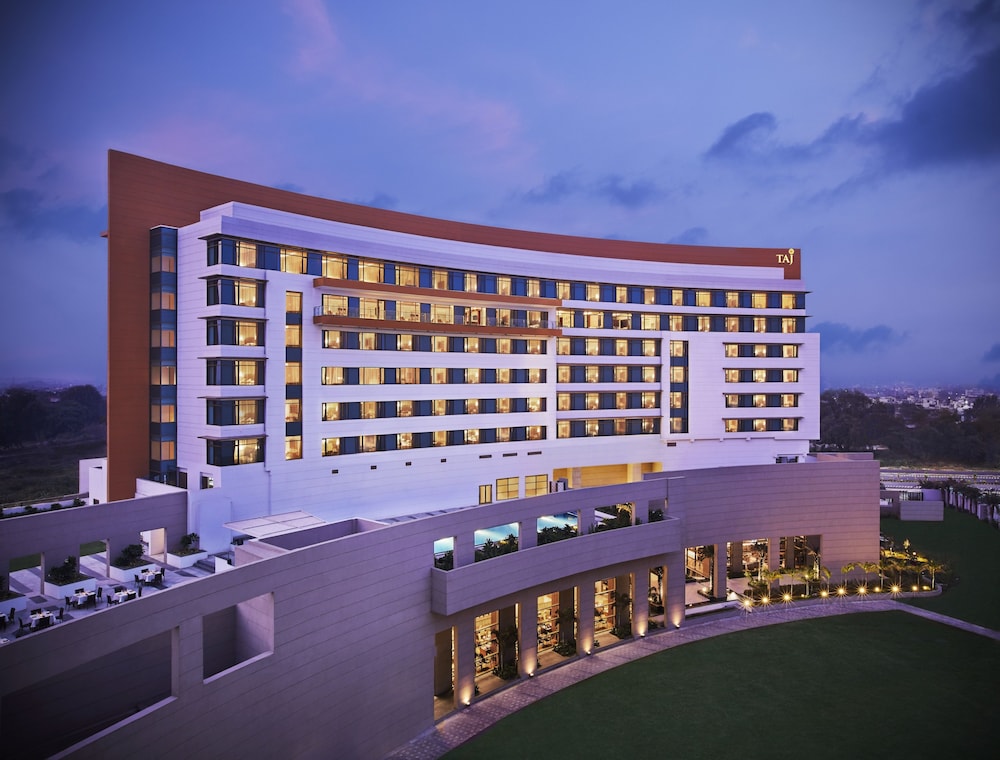
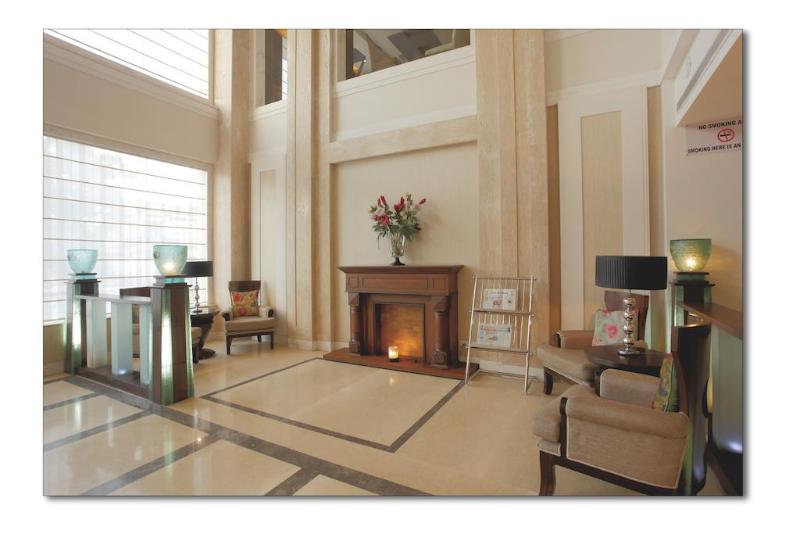
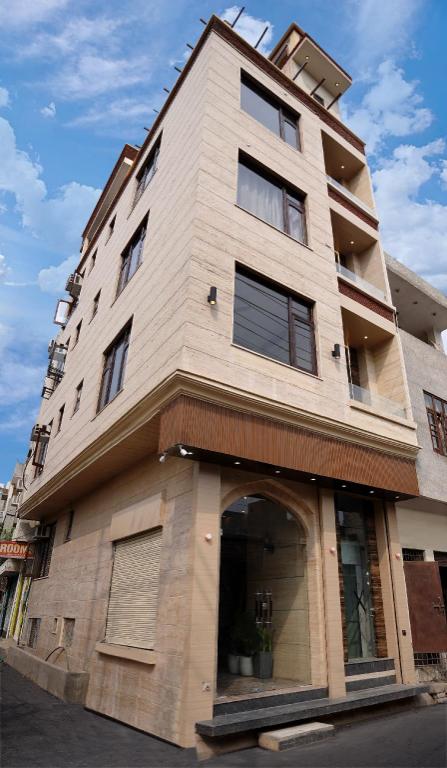
Every hotel we cover in Amritsar
- De Manora Homes Unpretentious hotel with a garden posh area Ranjit Avenue 4★ · 5/5
- Hotel Teg Royal 3★ · 5/5
- Oyo 43966 Jaura Inn 2★ · 5/5
- Epic Star Hotels and Resorts Amritsar 3★ · 4.9/5
- OYO 29642 Hotel Gsc International 3★ · 4.9/5
- OYO 39597 Prince Paradise 2★ · 4.9/5
- Welcomhotel by ITC Hotels Raja Sansi Amritsar 5★ · 4.8/5
- Capital O 43988 Makhan Residency 3★ · 4.8/5
- Four Leaf Hotels Amritsar 3★ · 4.8/5
- Hotel Aaykay By FabHotels 3★ · 4.8/5
- Hotel California Heights 3★ · 4.8/5
- Hotel Makhan Residency 3★ · 4.8/5
- Stay Shaandaar 3★ · 4.8/5
- Ginni Executive 2★ · 4.8/5
- SureStay Hotel by Best Western Heritage Walk 2★ · 4.8/5
- Amritsar Grand 3★ · 4.7/5
- FabHotel Golden Velvet 3★ · 4.7/5
- Grand Hotel 3★ · 4.7/5
- Grand Hridey 1 minute from Railway Station Amritsar 3★ · 4.7/5
- Hotel Euphoria Green 3★ · 4.7/5
- Hotel Randhawa International 3★ · 4.7/5
- Hotel RC Regency 3★ · 4.7/5
- Lords Eco Inn 3★ · 4.7/5
- Pineberry Hotels 3★ · 4.7/5
Getting around Amritsar
Sri Guru Ram Dass Jee International Airport is 11km northwest — prepaid taxi ₹650, Ola/Uber ₹400-500 if you can get one. The main railway station is 2km from the temple, auto ₹150. Amritsar Junction connects to Delhi (Shatabdi, 6 hours, ~₹1,200 CC) and Mumbai. Inside the walled city, everything is walkable in 20 minutes; e-rickshaws charge ₹50 flat. Skip cars in the old city — the lanes are too narrow. Local PRTC buses to Wagah leave from the bus stand near Bhandari Bridge roughly every 30 minutes and cost ₹40 one-way, slower but far cheaper than a shared taxi. Within the walled city gates the diameter is barely 700m, so most pilgrims never need wheels at all once they arrive.
Questions about Amritsar
Yes, both men and women. Free orange scarves are handed out at the shoe deposit at the main entrance — no charge, no deposit. Shoes and socks also come off; the marble is hot in June, bring thick socks or walk on the wet cloth strips.
Inside the temple complex and Heritage Street, yes, including late at night — it is heavily monitored and full of families. The area around the railway station and bus stand after 10pm is worth avoiding. Auto drivers around the temple sometimes overcharge; insist on meter or agree on price first.
Early morning, between 4am and 6am, is when the temple is at its quietest and coolest, right after the Palki Sahib ceremony brings the Guru Granth Sahib back to the sanctum. Evenings after 9pm are calmer than midday, when tour buses from Delhi and Chandigarh fill the parikrama. Winter months (October-March) are far more comfortable than the summer heat, when the marble surface gets uncomfortably hot by mid-morning.
Entry to the Golden Temple complex is completely free, as is the langar meal, though a donation is welcomed. The Wagah border ceremony is also free to attend, but the closer VIP seating near the gate requires showing a passport and arriving at least an hour early. A return shared taxi from near the temple to Wagah runs about ₹500 per person.


