Gurdaspur
District town on the Pakistan border — main draw is nearby Dera Baba Nanak and the Kartarpur Corridor to Guru Nanak's final home.
 Gurdaspur district road toward Dera Baba Nanak
Why people stay in Gurdaspur
Gurdaspur itself is a functional district town with no major tourist infrastructure, but the district contains one of the most significant recent developments in Sikh pilgrimage: the Kartarpur Corridor. Opened in 2019, it allows visa-free access to Gurdwara Darbar Sahib Kartarpur in Pakistan — where Guru Nanak spent his final 18 years and died. The Indian side of the corridor at Dera Baba Nanak (30km from Gurdaspur town) is now a major pilgrimage node with new infrastructure and terminal buildings. The Indian passenger terminal handles up to 5,000 pilgrims a day, and the road from it runs a little over 4km to the Ravi crossing.
By 9pm Gurdaspur town is quiet — this is not a nightlife destination. Skip: expecting sights in the town itself. Suits: Kartarpur Corridor pilgrims, Pathankot-Amritsar road-trippers, border-region completists. Skip if you’re not doing the Corridor and not on this specific route — Gurdaspur has less to offer as a destination than Batala or Pathankot. Even Dera Baba Nanak, the district's one unambiguous draw, is a two-hour stop unless you are actually crossing the line, and the rest of the district's sights are half-day detours rather than reasons to base here.
The town is built around a handful of arteries — Jail Road, Batala Road, Tibri Road out toward the cantonment, and the Kahnuwan and Dinanagar turnings — and almost everything a visitor needs sits within ten minutes of the bus stand on foot. Dhariwal, 12km east, is the district's one industrial name: the old woollen mills there gave Punjab its blanket-and-tweed trade, and shawls still sell in the town bazaar from around ₹600. Eating is dhaba eating — dal, tandoori roti, sarson da saag and a lassi for ₹120–200, not restaurants with printed menus and table service.
Time it by season. November brings the Guru Nanak Gurpurab rush: Kartarpur registration slots vanish weeks ahead, Dera Baba Nanak fills, and Gurdaspur room rates can double to ₹4,000. December and January bring dense Ravi-valley fog that delays the Pathankot trains by two to four hours and can hold the corridor terminal shut until mid-morning. May and June sit at 42–44°C with almost nothing shaded to do. The honest window is late February into March, when the wheat is green, the Keshopur marsh still holds its winter birds, and a decent double runs ₹2,000–2,600.
Limited hotels in Gurdaspur town, ₹2,300–4,600, near the bus stand and main bazaar. The quieter beds are on the Batala Road and Jail Road side rather than directly on the stand, where buses start reversing and honking from 4.30am — ask for a rear-facing room and check the generator, because power cuts in summer are routine. For Kartarpur Corridor pilgrims, hotels in Dera Baba Nanak (30km away, closer to the crossing) are more convenient — a new tourism infrastructure is developing. Budget lodges in Gurdaspur from ₹1,200 but basic. Most travelers overnight in Amritsar (75km) or Pathankot (35km) rather than Gurdaspur town itself. If you want a real hotel with a restaurant that works at 10pm, book Best Western La Vista Pathankot or Zone By The Park Pathankot and drive in for your corridor slot.
Things to do in Gurdaspur
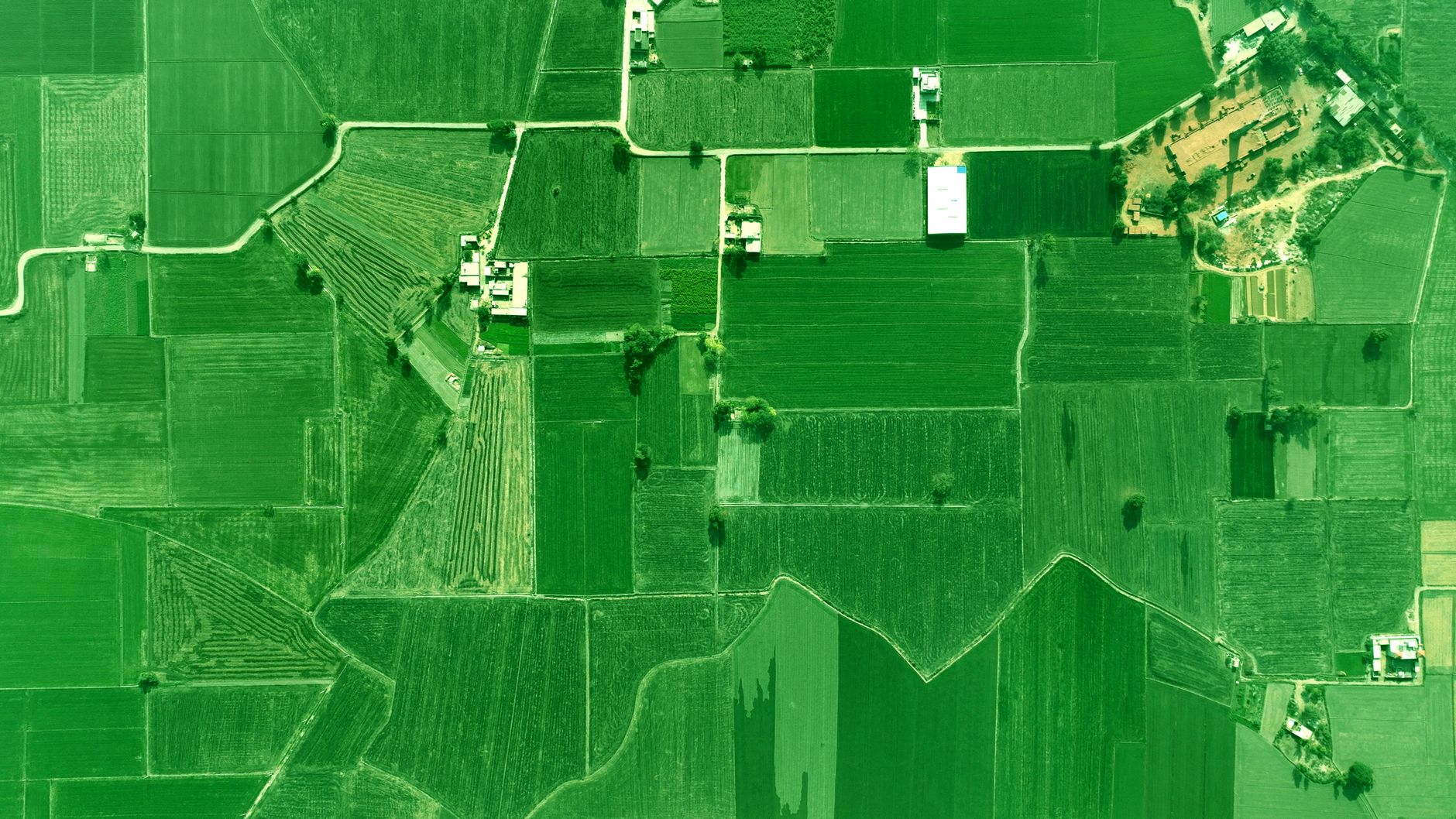
30km from Gurdaspur at Dera Baba Nanak. Register online at prakashpurb550.mha.gov.in — passport required, no Pakistan visa needed. Free but limited to 5,000 pilgrims/day. Return same day. Opens 8am, must return by 5pm. Genuinely powerful experience. Pakistan levies a service charge of about ₹1,800 at its own terminal; you may carry 7kg of baggage and up to ₹11,000 in cash.
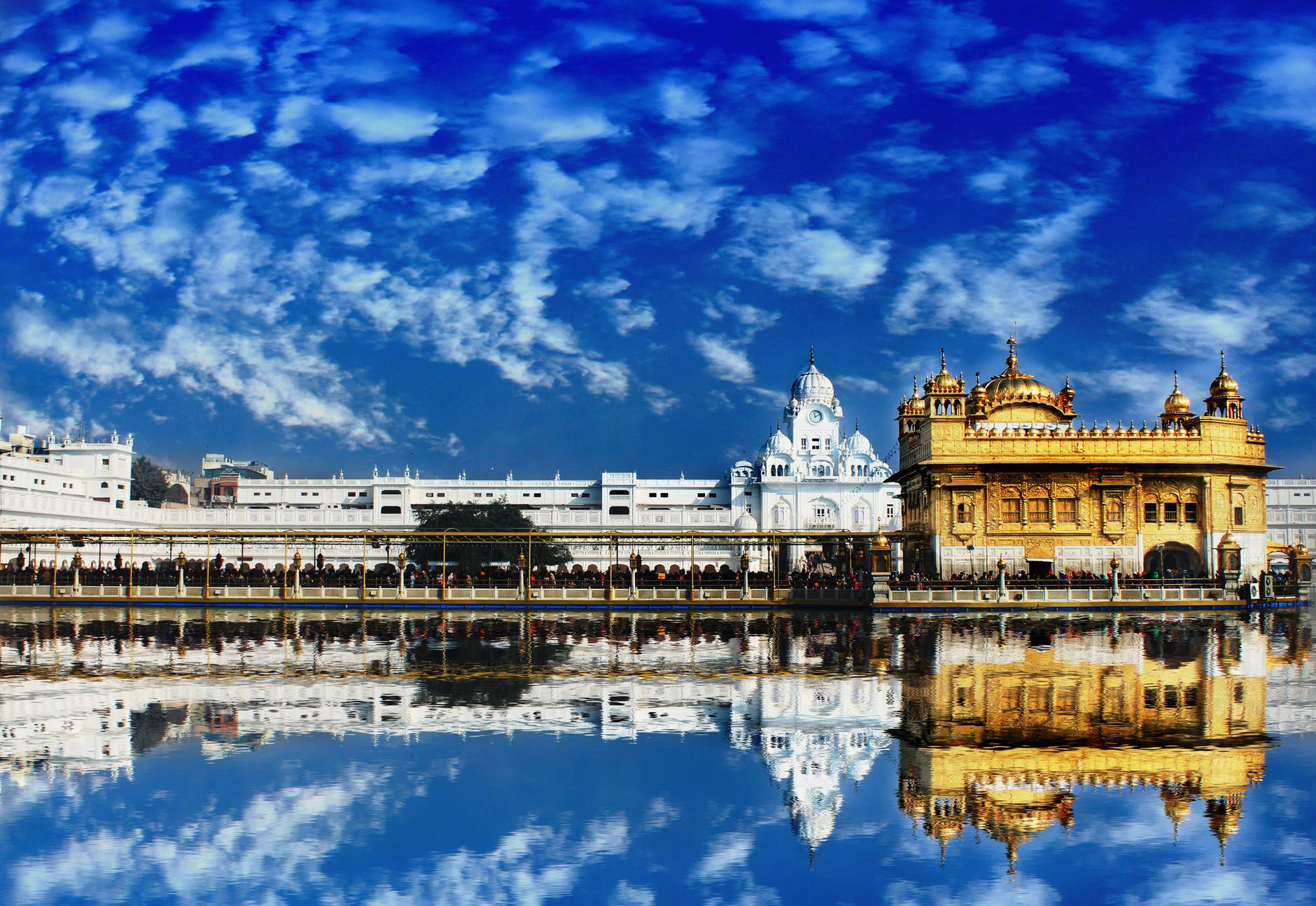
On the Indian side of the corridor — 30km from Gurdaspur. Marks the spot where Guru Nanak's followers cremated the last of his belongings. Free, open 4am-10pm. Combine with the corridor visit. Gurdwara Chola Sahib, which keeps a robe associated with the Guru, is a ten-minute walk further into the town; langar is served free at both.

20km from Gurdaspur — where the young Akbar was crowned Mughal emperor in 1556. Small memorial and shrine. Free. Underdeveloped as a site but historically significant. The Takht-e-Akbari coronation platform stands in open fields roughly 2km off the Kalanaur road, unsignposted and open all daylight hours — ask in the village for the takht.

45km north toward Pathankot — Shiva cave shrine (see Pathankot entry). Combines well with Gurdaspur if you’re heading toward the hills. The cave temple sits on a bluff above the Ravi at Doong village; free entry, roughly 6am–8pm, and busiest on Shivratri when the approach road jams solid.

A Ramsar-listed community reserve about 6km from Gurdaspur on the Dera Baba Nanak road, past Keshopur village. Flooded fish ponds and marsh that fill with cranes, storks and wintering ducks from November to February. No gate, no ticket, no fixed hours — go between 6.30am and 9am, when the light and the birds are both worth the auto fare of ₹150.

Roughly 45km southeast past Batala, Qadian is the birthplace of the Ahmadiyya Muslim community and one of the few places in Punjab where minarets, not domes, mark the skyline. The white Minaratul Masih and Masjid Aqsa complex is free to visit, generally 9am–5pm outside prayer times, and volunteers will show non-Muslim visitors around. Dress modestly.
What to see
Hotels in Gurdaspur
No hotels are listed in Gurdaspur yet. The nearest ones are on the region page.
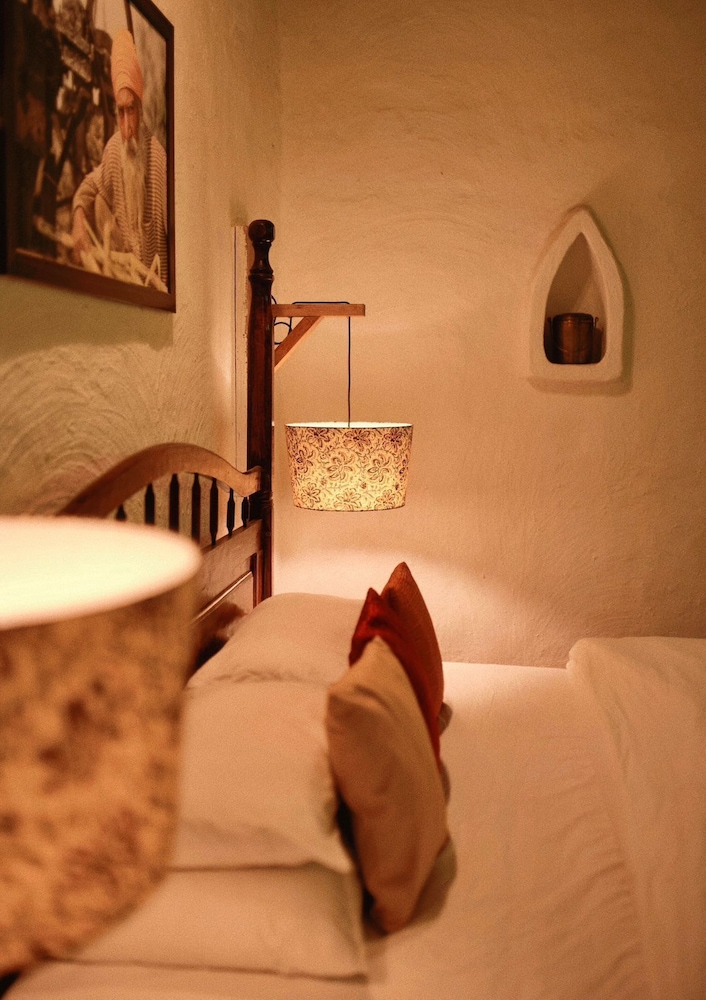
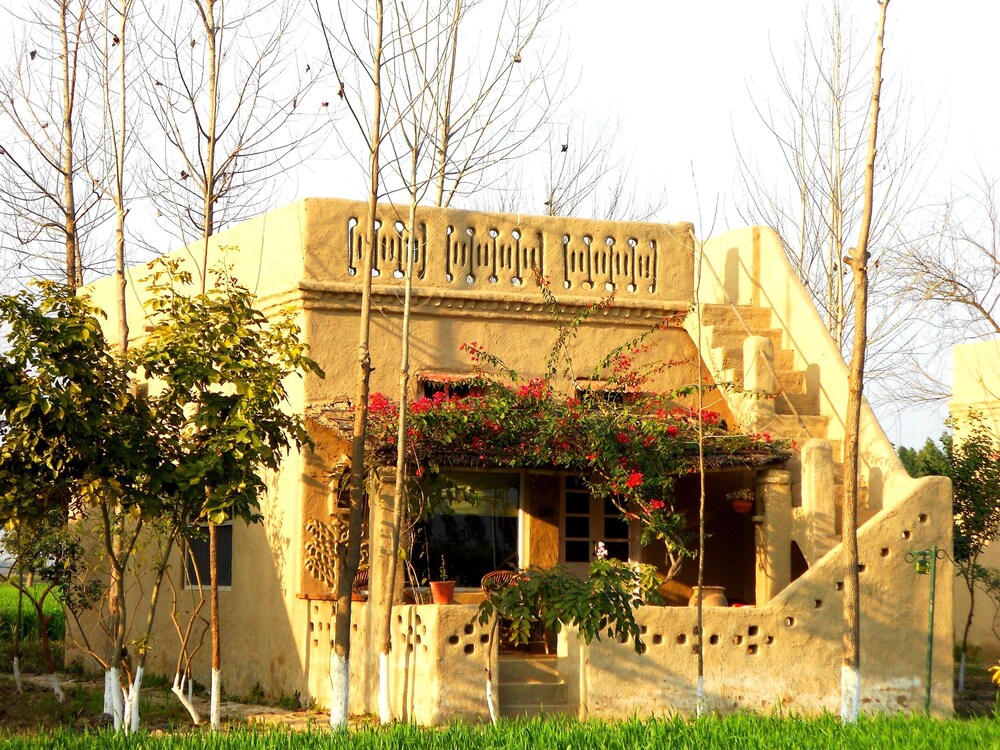
Every hotel we cover in Gurdaspur
Getting around Gurdaspur
No airport — Amritsar (75km, taxi ₹2,300) is closest, the Sri Guru Ram Dass Jee terminal at Raja Sansi, about 1hr45 by road. Gurdaspur railway station (station code GSP) is on the Amritsar-Pathankot line, regular trains ₹45–150 and 1hr40 from Amritsar, roughly 50 minutes from Pathankot. Buses from Amritsar every 20 minutes, ₹120, 1.5 hours, arriving at the bus stand about 1.5km from the station (auto ₹50). For Kartarpur Corridor, take a bus or taxi from Gurdaspur to Dera Baba Nanak (30km, ₹650 taxi, ₹40 bus every 30 min). Inside town autos ₹40–60 for most trips; shared autos on the Dera Baba Nanak road cost ₹30 a seat but wait to fill.
Questions about Gurdaspur
Register online at the government portal (prakashpurb550.mha.gov.in) at least 2-3 weeks ahead. You need a passport but NO Pakistan visa. It's free. Report to the Dera Baba Nanak terminal by 8am, cross the border, spend up to 5-6 hours at Gurdwara Darbar Sahib Kartarpur in Pakistan, return by 5pm. 5,000 pilgrim daily limit; foreigners welcome.
Only if you have an early Kartarpur Corridor slot and want to be closer to Dera Baba Nanak — even then, Dera Baba Nanak itself has newer accommodation now. As a destination on its own, Gurdaspur town has little to offer beyond function. Amritsar (75km) or Pathankot (35km) are better bases for the area.
It is 75km on the Amritsar–Pathankot highway, about 1.5 to 2 hours depending on the Batala and Qadian-turn traffic. State buses leave the Amritsar ISBT roughly every 20 minutes for ₹120, and trains on the Pathankot line take about 1hr40 for ₹45–150. A taxi one way runs ₹2,300, which only makes sense if you are three or four people or carrying a corridor group. Leaving Amritsar by 5.30am is enough to make an 8am reporting time at Dera Baba Nanak.
Kalanaur's Akbar coronation platform, 20km west, is free and takes twenty minutes. Keshopur Chhamb, a Ramsar wetland 6km out on the Dera Baba Nanak road, is the district's best morning between November and February. Qadian, 45km southeast past Batala, has the Minaratul Masih and a religious history you will not meet anywhere else in Punjab. Together that is one full, satisfying day of driving — not a week, and not a reason to skip Amritsar.


