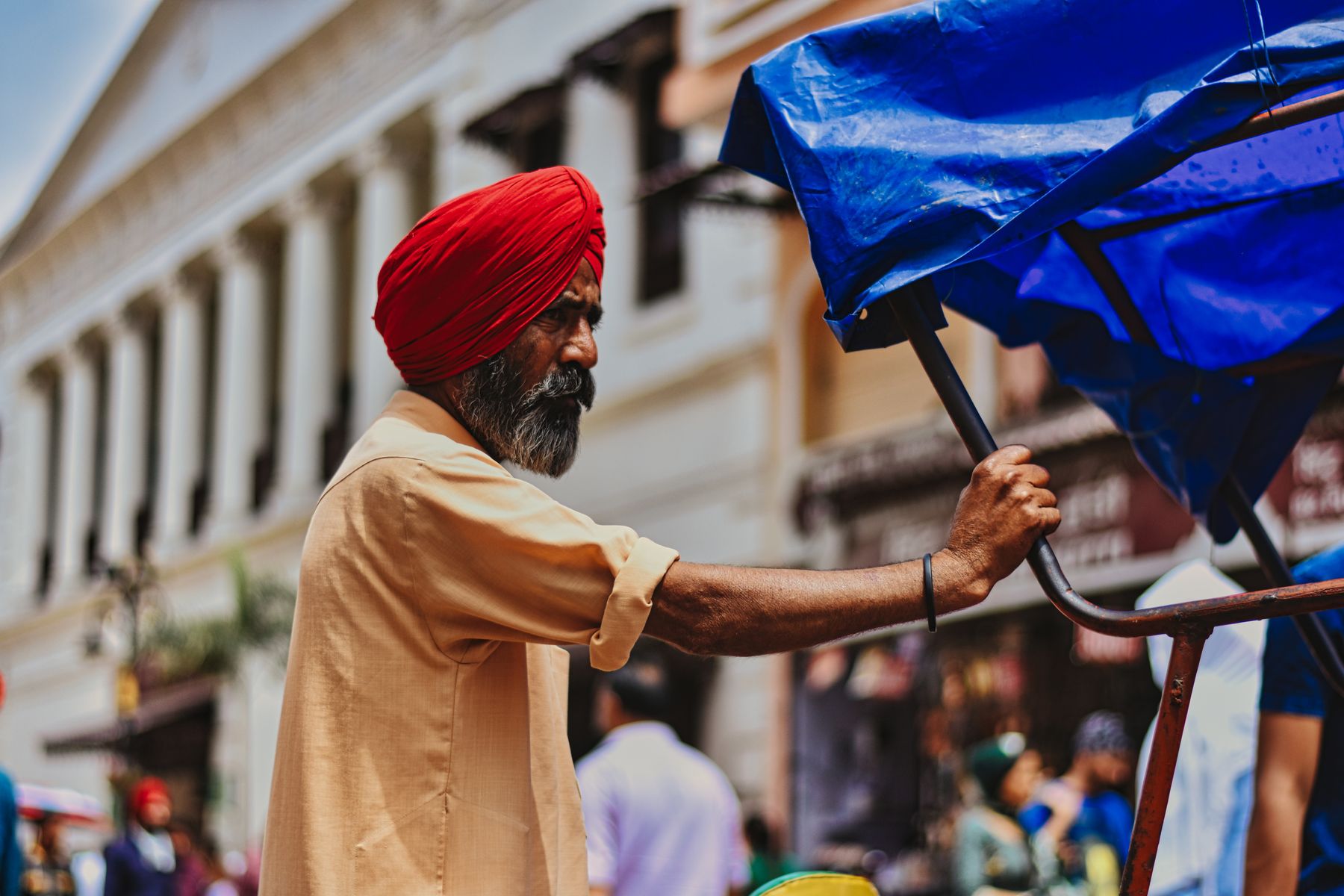
Punjab in April: Baisakhi, wheat harvest and the first heat spike
 Baisakhi celebrations with wheat fields and dancers in rural Punjab
April is Punjab's most photogenic and most misjudged month — 38°C by lunch, the biggest Sikh festival of the year on the 13th, and hotel rates that swing 200% across a single week.
The Baisakhi week: 10-15 April
Baisakhi falls on 13 April every year (occasionally 14th) and marks both the Sikh new year and the founding of the Khalsa in 1699. Anandpur Sahib hosts the largest gathering — 500,000 to 1 million pilgrims over three days at Takht Sri Kesgarh Sahib. The Golden Temple in Amritsar sees 200,000-300,000 daily visitors in this week versus a normal 80,000. Talwandi Sabo (Damdama Sahib) and Fatehgarh Sahib run parallel major congregations. If you want to witness Sikh religious life at its most concentrated, this is the week; if you want a calm temple visit, avoid it entirely.
Hotel demand is bimodal. Anandpur Sahib and Rupnagar properties are booked 60 days out and rates triple — a ₹2,500 room becomes ₹7,500. Amritsar hotels within 3km of the Golden Temple double. But Ludhiana, Patiala and Chandigarh barely move because pilgrims are concentrated at specific gurdwaras, not spread across the state. Base in Chandigarh (2.5 hours from Anandpur Sahib) or Ludhiana (2 hours from Amritsar) and daytrip if you want festival access without festival prices.
Wheat harvest and the rural Punjab window
The wheat harvest runs roughly 5-25 April across the state, starting in southern Malwa (Bathinda, Muktsar) and moving north to Majha (Amritsar, Gurdaspur). Fields go from green to gold to stubble in three weeks. Combine harvesters work 20-hour days, mandis fill with grain trucks, and rural dhabas serve their best food of the year because farmers pay cash. This is the single most photogenic period in rural Punjab — better than mustard bloom in February — and almost no international tourists know about it.
Farm-stay properties like Citrus County (near Hoshiarpur), Punjabiyat (near Amritsar) and various homestays in Kapurthala district run harvest packages at ₹4,500-8,000 including tractor rides, harvest participation and meals cooked over cow-dung stoves. Book 30-45 days out; capacity is genuinely 8-20 rooms per property and word is spreading. Avoid the 12-15 April window for these stays because staff attention shifts to Baisakhi. The 20-30 April week is the sweet spot: harvest energy, post-Baisakhi calm, still-tolerable heat.
The heat: what 38°C actually feels like here
Early April is pleasant — daytime highs 28-32°C, nights 15-18°C, dry air, blue skies. By 15 April it flips. Highs hit 36-40°C, nights stay 22-26°C, and by month-end pre-monsoon dust storms (andhi) roll in most afternoons. The heat is dry (25-35% humidity) so it is more bearable than 32°C in coastal India, but the sun is punishing between 11am and 4pm. Marble at the Golden Temple parikrama can hit 55°C surface temperature; the volunteers spray water constantly but your bare feet will burn if you stop moving.
This changes how you sightsee. Start at 5.30am (Golden Temple aarti is at 4am and genuinely worth it), sightsee until 10.30am, retreat to an AC hotel until 4.30pm, then evening visits from 5pm-9pm. Hotels without proper AC (some older heritage properties rely on desert coolers) become uncomfortable by 20 April. Confirm 'split AC' when booking, not just 'AC available'. The Ranjit's Svaasa, Neemrana Baradari, and all major chains have proper AC; some Katra Ahluwalia guesthouses do not.
Prices across April, week by week
Week one (1-7 April): shoulder rates, roughly 15% below March peak. Heritage rooms ₹6,500-9,000, business hotels ₹4,500-6,500, budget ₹1,500-2,200. Week two (8-15 April): Baisakhi surge in Amritsar and Anandpur Sahib (double rates), flat elsewhere. Week three (16-22 April): post-festival crash, cheapest week of the entire cold-to-hot transition. Heritage rooms drop to ₹5,000-7,000, budget to ₹1,100-1,600. This is the value week if heat does not scare you.
Week four (23-30 April): early summer discounts begin. Hotels start their May-June low season rates about 5-7 days early. Amritsar heritage properties run ₹4,500-6,500 and throw in free breakfast and airport transfers. The Kikar Lodge (which becomes uncomfortable in peak summer) offers 40% off for April end-of-month bookings. If your priority is value and you can tolerate afternoon heat by staying indoors, the last ten days of April deliver the best price-quality ratio of any month except deep monsoon.
What is open and functioning normally
Everything, essentially. Unlike monsoon (drainage issues) or peak winter fog (transport disruption), April is operationally the smoothest month in Punjab. Flights run on time, trains keep schedule, all monuments are open extended hours (Sheesh Mahal Patiala opens until 7pm, Gobindgarh Fort adds evening light shows), and the Wagah border ceremony hits peak length as sunset shifts later. Rural roads that flood in July are bone dry and drivable. Farm stays and heritage properties all operate; nothing is seasonally closed.
Restaurants shift menus. Winter dishes like sarson da saag and gajar ka halwa disappear from most dhabas by 10 April; summer menus centre on lassi, chaas, kulfi, and lighter kadhi-chawal. Kesar Da Dhaba and Bharawan Da Dhaba in Amritsar keep saag on the menu year-round for tourists but locals switch. If you want authentic seasonal Punjabi food, April rewards you with mango pickle-making season, first raw mangoes, and the emergence of kulfi carts on every street corner by 20 April.
School holidays and family travel patterns
Punjab and Delhi school summer break starts around 20-25 May, not April, so April travel is dominated by adults and international tourists rather than domestic families. This makes it genuinely quiet at monuments (post-Baisakhi) and easy to get restaurant tables and heritage-hotel rooms. The exception is the two weeks around Baisakhi and the last week of April when North Indian corporate off-sites cluster before summer heat makes them impossible.
Wedding season is effectively over by 10 April. The last saya dates fall in the first week and then the calendar goes quiet until October. This means marriage-palace-linked hotels (many mid-range properties in Ludhiana and Jalandhar) drop to their lowest occupancy of the year in late April, and reception halls sit empty. Some hotels convert unused wedding capacity into short-term co-working or event spaces; ask if you need meeting rooms. Rates are negotiable to a degree not possible in November.
The right April itinerary
For a first-time visitor with 6-7 nights, I would target 17-24 April. Fly into Amritsar, spend three nights at a heritage property near the Golden Temple (early morning temple visits, indoor middays), then transfer to a rural farm stay in Kapurthala or Hoshiarpur for two nights during the tail of wheat harvest, then finish with two nights in Chandigarh visiting the Rock Garden, Sukhna Lake and daytripping to Anandpur Sahib's Virasat-e-Khalsa museum (now calm again after Baisakhi crowds).
Avoid trying to see Baisakhi at Anandpur Sahib unless you commit properly: book 60 days out, arrive by 11 April, prepare for basic accommodation in tents or converted schools, carry ORS sachets, and expect crowds that are physically difficult even for experienced travellers. It is a genuine pilgrimage, not a spectator festival. If you want festival atmosphere with hotel comfort, the Golden Temple on 13-14 April delivers 80% of the experience with 20% of the logistical stress.
Before you book
What people ask before booking Amritsar.
The first two weeks are perfectly comfortable (28-33°C). The last two weeks are hot (36-40°C) but manageable if you shift sightseeing to early morning and evening. Nights are still pleasant into late April. If you have a low heat tolerance, come 1-15 April; if you want lower prices, come 17-30 April and plan around middays.
For Anandpur Sahib, yes — 60-90 days out and expect very basic rooms even at premium prices. For Amritsar, 30-45 days ahead secures heritage rooms at 1.5-2x normal rates. For anywhere else in Punjab (Ludhiana, Chandigarh, Patiala), Baisakhi barely affects availability and you can book 7-10 days out at normal rates.
Yes, easily. Drive any rural road between Ludhiana and Bathinda, or Amritsar and Gurdaspur, in the 10-25 April window and you will pass combine harvesters, grain-laden tractors and roadside mandis. Stop at any village dhaba for chai; farmers welcome curious visitors. A day-trip from any city works fine — no overnight rural stay required.
Excellent by North Indian standards. AQI averages 60-110 through April versus 200-400 in November stubble-burn season. Pre-monsoon dust storms in late April can spike AQI to 150-200 for a few hours but clear quickly. Amritsar and Chandigarh are consistently cleaner than Delhi throughout April; asthmatic travellers generally have no issues.