Money in Punjab: Cash, Cards, UPI and What Actually Works
 Rupee notes and card next to a chai glass at a Punjab cafe
Cash handles 30% of daily spending, UPI handles 60%, and foreign cards handle the remaining 10% at hotels and mid-range restaurants — plan accordingly.
The three-tier payment reality
Punjab's payment infrastructure runs on three parallel systems that overlap unevenly. Cash — Indian rupees, physical notes — is universal, accepted everywhere, and the only option at roadside dhabas, street food carts in Amritsar's old city, cycle-rickshaws, small gurudwara donations, tips, and any transaction under 100 rupees where the mental overhead of digital payment is not worth it. Foreign visitors should always carry 1,000-2,000 rupees in mixed denominations, weighted toward 10s, 20s, 50s and 100s. Large notes (500s) are fine but expect chai vendors to sigh at breaking a 500 for a 15-rupee cup.
UPI — Unified Payments Interface, running through apps like PhonePe, Google Pay and Paytm — is the workhorse. Every sweet shop, kulcha stall, petrol pump, Ola driver and mid-range restaurant accepts QR codes. Every shop has the QR sticker on the counter. The catch for foreigners: UPI historically required an Indian bank account. This is changing — Paytm now supports foreign UPI through partner apps, and the RBI has enabled UPI for foreign tourists at select points including major airports. Set this up on arrival at Amritsar or Chandigarh airport; the transaction fees are lower than card forex charges.
ATMs: which ones, how much, how often
Withdraw from bank-branded ATMs attached to actual branches, not standalone kiosks in markets. Reliable networks: State Bank of India (SBI), HDFC, ICICI, Axis, Punjab National Bank. SBI has the widest rural coverage and is the ATM you will find in small towns like Faridkot and Muktsar. HDFC and ICICI have better uptime and cleaner machines in cities. Foreign cards work on Visa and Mastercard networks at all major banks; American Express is patchy and Diners Club rarely works.
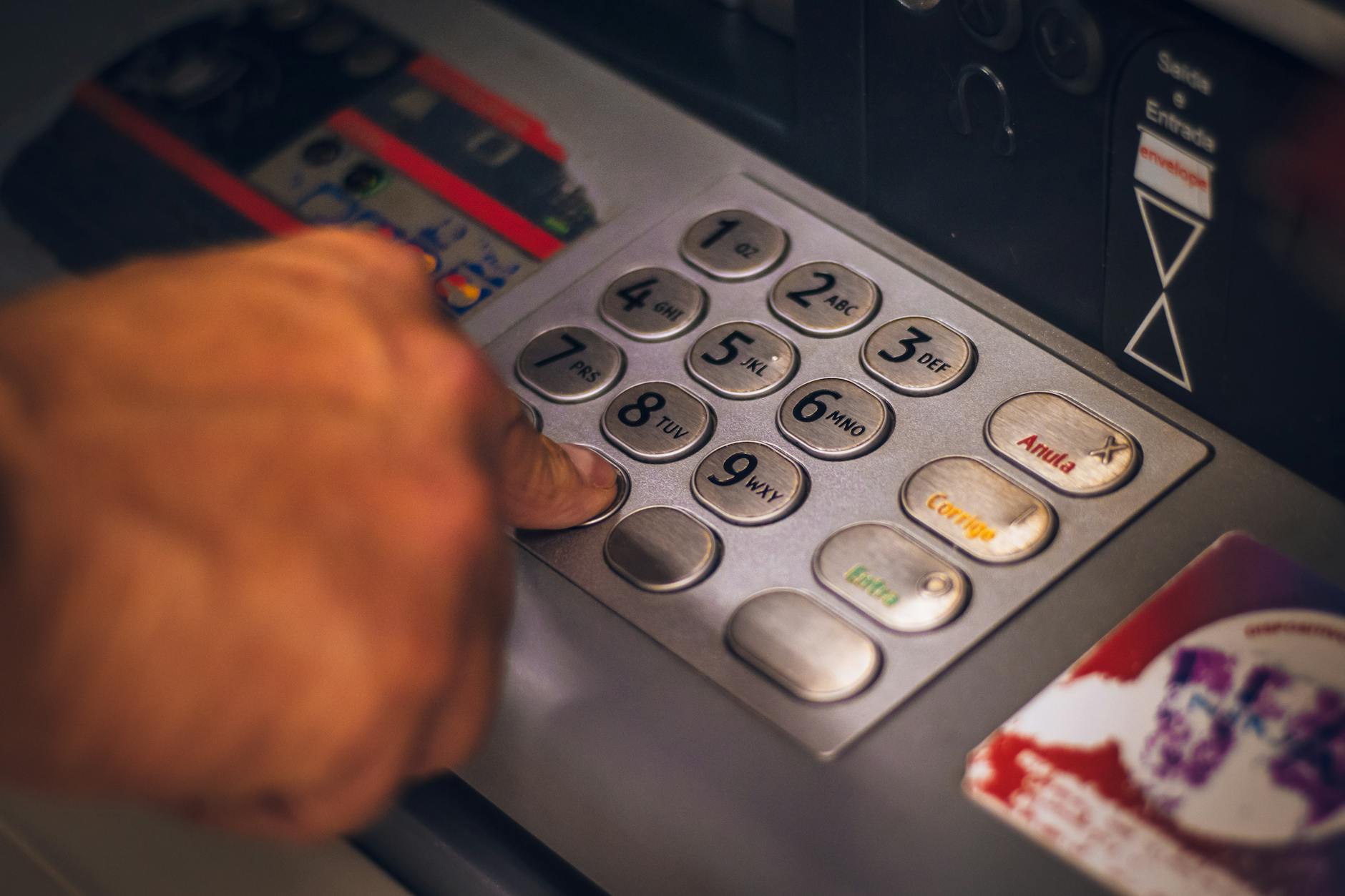
Per-transaction limits run 10,000-20,000 rupees depending on bank and card. Your home bank probably charges 200-500 rupees as an international ATM fee plus 1-3% forex, so pull the maximum each time rather than making small frequent withdrawals. Indian ATMs also add 200-250 rupees per foreign card transaction on top. Try HDFC or Axis for the largest per-transaction limits. Cover the keypad, wait for the receipt, and count cash before leaving the vestibule. ATM skimming is rare in Punjab but not zero, and the fix is basic vigilance not paranoia.
Cards at hotels, restaurants and shops
Every hotel from 3-star and above accepts Visa and Mastercard, most accept Amex, all charge in rupees (INR) and offer to charge in your home currency (DCC) at a worse rate. Always choose rupees. Mid-range and fine-dining restaurants in Chandigarh (Sector 17, Sector 26 markets, Elante), Amritsar (hotel restaurants, Crystal, Bharawan da Dhaba's newer branches) and Ludhiana take cards without issue. Some machines are still swipe-only for foreign chip cards; expect this and be patient. Contactless works at newer terminals in Elante and VR Punjab Mall.
Street food, dhabas, sweet shops, tailors, small hotels and most of Amritsar's Hall Bazaar and Patiala's Adalat Bazaar are cash-and-UPI only. Sweet shops of the Gopal, Bansal, and Rattan tier — the big-name ones — take cards; the small neighbourhood ones do not. Tourist shopping (phulkari, juttis, handicrafts in Anandpur Sahib) is mostly cash with card at the largest showrooms. Ask before you commit to a purchase. Never let your card leave your sight in a restaurant — portable POS machines are the norm and staff will bring one to your table.
Currency exchange: where and where not
Airport exchange counters offer the worst rates in Punjab — typically 4-6% below the mid-market rate. Change only what you need to get to your hotel (2,000-3,000 rupees) and do the rest at a proper money changer. Thomas Cook branches in Chandigarh Sector 17 and Amritsar Ranjit Avenue offer close to interbank rates with 1-2% margin. UAE Exchange (now called Unimoni) has multiple Amritsar locations and competitive rates. Hotel exchange desks at 5-star properties are convenient but priced at airport-level margins.
Bring US dollars, Euros or British pounds — these convert cleanly. Australian and Canadian dollars work but at worse rates. Swiss francs, Japanese yen and Scandinavian currencies exchange only at Thomas Cook and only in major cities. Old US dollar notes (pre-2013) are often refused. Torn or written-on foreign notes are always refused. Bring newer, crisp bills. Never change currency with informal offerers who approach you outside official counters — the exchange is illegal, the rate is a lure, and the count will be short.
The UPI setup for foreigners, honestly
As of 2025-2026, foreign tourists can use UPI through two main routes. Route one: RBI's UPI One World, a prepaid wallet loaded in rupees against foreign currency or card, distributed through kiosks at major airports including Delhi, Amritsar and Chandigarh. It works at any UPI QR code, tops up easily, and closes out on departure. The setup takes 30-40 minutes on arrival with passport, visa and a small deposit. Rates are reasonable, closer to interbank than card forex fees.
Route two: some travellers use partner apps like Cheqout or foreign fintech accounts (Revolut, Wise) that now support Indian UPI-linked transactions in select markets. Availability changes month to month, so verify before you fly. The third option — asking a friend with an Indian account to set up UPI on your phone — is technically against terms of service and creates reconciliation problems. Skip it. If UPI setup on arrival feels like too much friction, cards and cash still cover everything; UPI is a convenience upgrade, not a necessity.
Tipping and small-change reality
Small change is scarce in India and hoarded aggressively by anyone who deals in cash daily. Chai vendors, auto drivers and paan sellers will often claim to have no change for a 100-rupee note on a 40-rupee transaction. The tactic: break large notes early in the day at hotels, ATMs (which sometimes dispense 100s if you ask) or supermarkets, and keep a separate pouch for coins and small notes. Tipping happens in 10s, 20s and 50s — carry twenty of each and you will get through a week without stress.
For gurudwara donations, langar contributions and small offerings, cash in any denomination works. UPI donations are increasingly accepted at major gurudwaras — the Golden Temple has UPI QR codes near the exit alongside traditional golaks. Do not tip using UPI at restaurants unless you specifically want the tip to go to the establishment rather than the individual server; cash tips reach the person, digital tips often pool. For hotel housekeeping and drivers, always cash in an envelope or folded note.
Scams and money-safety patterns
The classic Punjab money scams are minor and avoidable. One: the changed note trick, where a shopkeeper claims you paid with a smaller note than you did. Counter by stating the note value clearly before handing it over. Two: the wrong change return, where change comes back short and the shopkeeper hopes you do not count. Count before pocketing. Three: the ATM shoulder-surf, rare but possible in crowded machines. Cover the keypad. Four: DCC (dynamic currency conversion) at card terminals, where the machine offers to charge in your home currency at a padded rate. Always choose rupees.
Actual card fraud is rare in Punjab and mostly limited to skimmers at petrol pumps and standalone ATMs in tourist areas. Use bank-branch ATMs, keep your card in sight at restaurants, enable transaction SMS alerts with your home bank, and notify your bank of India travel dates to avoid automated fraud blocks. Do not use your primary credit card for online booking of small vendors — use a virtual card number or a low-limit backup. Report any suspected fraud to your bank first and to the Indian police second; the bank chargeback process is faster than an FIR.
Before you book
What people ask before booking Punjab.
Plan 1,500-2,500 rupees per day in cash for daily incidentals — chai, autos, street food, tips, gurudwara donations, small shopping. Hotel bills, major meals and shopping go on card or UPI. Withdraw 15,000-20,000 rupees at a time to minimise ATM fees. Keep 5,000 rupees in a hotel safe as backup for card-network outages.
You cannot legally take Indian rupees out of India as a foreign visitor. Change unspent rupees back at the airport before immigration — bring your original exchange receipts and passport. Thomas Cook and airport counters both do this. Any amount over 25,000 rupees requires declaration on departure. Small residual notes make good souvenirs but cannot be re-exchanged abroad at reasonable rates.
No. Traveller's cheques are effectively obsolete in India — very few banks cash them, the process takes hours, and rates are poor. Use a debit card for ATM withdrawals and a credit card for hotel and restaurant charges. If you want a cash backup, bring 300-500 US dollars in physical notes and change at a proper money changer as needed.
Officially no — Indian hotels are required to charge in rupees. Some accept USD informally at bad rates, but this is a favour to the guest rather than a policy. Bring cards for hotel charges and use USD only as an emergency backup. Changing 200 USD at Thomas Cook takes 10 minutes and gives you a much better rate than any hotel offer.