Ropar Wetland in Autumn: A Nature Day Trip from Chandigarh
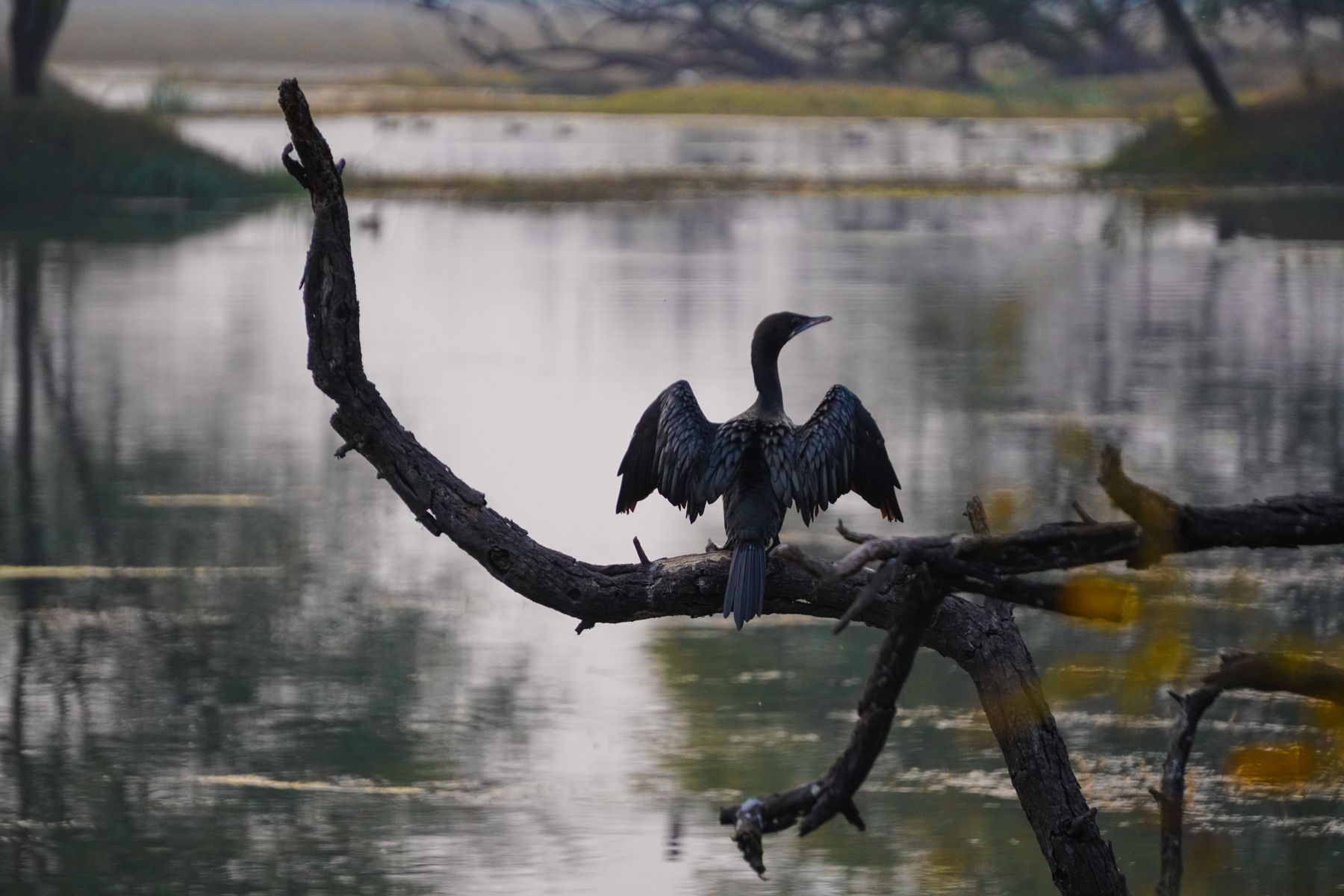 Ropar Wetland in Autumn: A Nature Day Trip from Chandigarh
Punjab's first Ramsar site sits about 50 km from Chandigarh, and the post-monsoon weeks from October to November are when it is at its best.
Getting there and what the site actually is
Ropar Wetland spreads across roughly 1,365 hectares beside the Sutlej, just downstream of the Ropar headworks that feed the Sirhind Canal. From Chandigarh the drive is around 45 to 50 km via the Ropar–Kharar road, typically an hour to seventy minutes depending on traffic at Kharar and Morinda. Buses on the Chandigarh–Ropar route run frequently from the ISBT sectors, and the wetland lies a short auto ride from Ropar's main bus stand; the town also has a railway station on the Ambala line. Carry your own water and snacks, because facilities around the perimeter are basic and not always open.
It is a shallow, freshwater marsh rather than a manicured park, so set expectations accordingly: reed beds, mudflats, open water and a few watch points, with the Shivalik foothills visible to the north-east. The site is recognised under the Ramsar convention as a wetland of international importance, largely for its bird life and its role in flood control and groundwater recharge. There is no resort infrastructure and no boating operation to rely on, so plan the visit as a half-day of quiet walking and watching rather than an attraction with a schedule.
Autumn birds, best months and how to time the day
The monsoon usually retreats from Punjab by late September, and through October and November water levels settle while resident species are joined by arriving winter migrants. This is the most comfortable window: daytime temperatures fall into the twenties, the light is clean, and the reeds are still standing. December and January bring more birds but also morning fog that can delay the drive from Chandigarh by an hour or more. Avoid the May–June heat entirely; the marsh is humid, shade is scarce, and the birds are dispersed.
Arrive early. The first two hours after sunrise give the calmest water and the most activity, and the light is behind you on the eastern embankment. Bring binoculars — a spotting scope is better but not essential — and a hat. Walking the embankment paths takes two to three hours at an unhurried pace. Afternoon visits work in November, when the sun softens by four, but in October the middle of the day is flat and quiet. If you have only one day, come on a weekday; weekend groups from Chandigarh and Ropar are noticeably larger.
Pairing it with the rest of the region
Most travellers base themselves in Chandigarh, where the hotel stock ranges from sector guest houses to business hotels in Sector 17 and Sector 35 and along the Zirakpur corridor near the airport road. That works well for a day trip, but a night in Ropar itself, or in Anandpur Sahib an hour further north, gives you a second early morning on the water. Ropar town has modest guest houses rather than full-service hotels, so check what is actually available before committing, and treat it as a simple base rather than a destination stay.
If your Punjab itinerary runs Amritsar–Jalandhar–Chandigarh, slot Ropar between Jalandhar and Chandigarh: it is roughly 90 km from Jalandhar via Nawanshahr, and you reach Chandigarh the same evening. From Amritsar, budget three and a half hours by road. Skip trying to combine the wetland with a full day at Anandpur Sahib in the same outing — the drive times add up and both deserve a proper morning. I would book two nights in Chandigarh and give Ropar one clear morning, rather than squeezing it into an arrival day.
Practical notes and what to skip
There is no reliable café on site, so eat in Ropar town before or after, where dhabas around the bus stand serve straightforward Punjabi food. Fuel up in Kharar or Ropar; the stretch between them has fewer options. Mobile signal is patchy at the water's edge. Dress modestly and remove nothing from the site — the reed beds are nesting habitat, and disturbance at the margin does real damage. Photography is fine from the paths; drones are best left at home unless you have checked locally, as rules around the headworks area are strict.
Skip the temptation to treat this as a family amusement stop — there are no rides, cafés or shaded picnic lawns worth the trip on their own. It rewards people who like birds, quiet and flat walks. Also skip July and August, when the marsh floods and access paths turn difficult. Autumn is the honest answer: October and early November for comfort and light, December and January for numbers. Book accommodation in Chandigarh or Jalandhar well ahead of the long weekends, when demand in both cities tightens noticeably.
Before you book
The questions people ask about Chandigarh, answered with this month’s numbers.
About 45 to 50 km by road via Kharar, usually an hour to seventy minutes by car. State buses on the Chandigarh–Ropar route are frequent and inexpensive, and the wetland is a short auto ride from Ropar bus stand.
October and November offer the best balance of comfortable weather, settled water levels and arriving migrants. December and January bring more birds but morning fog can slow the drive from Chandigarh considerably. Avoid the May–June heat.
Chandigarh has the widest choice, from sector guest houses to business hotels around Sector 17 and Zirakpur. Ropar town offers only simple guest houses, so most travellers book Chandigarh or Jalandhar and drive in for an early morning.