Where to stay in Sri Muktsar Sahib: Malwa pilgrim town guide
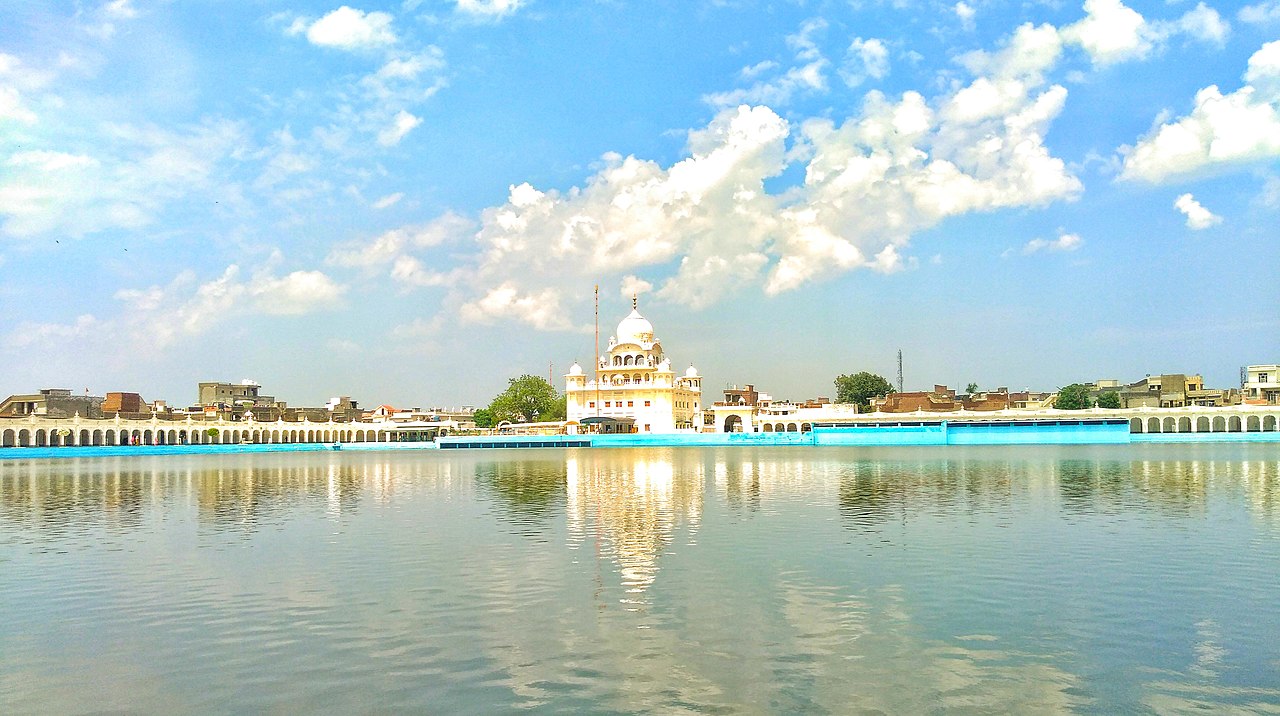 Gurudwara Tuti Gandi Sahib at Sri Muktsar Sahib with pilgrims on the parikrama
Sri Muktsar Sahib is a one-night stop for pilgrims and Maghi Mela visitors, with paid hotels topping out around ₹3,500 and serai beds from ₹400.
Who this town suits
Sri Muktsar Sahib exists on the tourist map for two reasons: it is the site of Guru Gobind Singh's final battle against the Mughals in 1705, and it hosts Maghi Mela every January (14th), one of Sikhism's largest annual gatherings. Book here if you are on the historical gurudwara circuit through Malwa Punjab, if you are attending Maghi Mela, or if you have work at the district offices.
You do not book here for architecture beyond the gurudwaras, for food scenes, or for combining with generic sightseeing. This is deep Malwa cotton country — flat, agricultural, hot in summer, and honest about being a working town rather than a tourist destination. That said, it pairs well with Bathinda (60 km) and Faridkot (30 km) for a two-district Malwa loop.
Where you sleep
The gurudwara serai at Gurudwara Tuti Gandi Sahib and Darbar Sahib offers rooms at ₹400-1,000, clean, safe, walkable to the sarovar. This is the primary accommodation for pilgrims and is what most visitors use. Paid hotels — Hotel City Heart, Hotel Golden Pearl, Hotel Rajwada Palace — cluster near the bus stand and Kotkapura Road at ₹1,800-3,500.
There is no luxury tier and no heritage property. The paid hotels are functional: AC, hot water, small restaurants, secure parking, and staff who speak enough English to check you in. For anything more polished you drive 60 km to Bathinda where Hotel Sepal, Bahia Fort Hotel and a couple of business chains sit at ₹3,500-6,000.
What a night costs
Serai at ₹400-1,000, paid hotels ₹1,800-3,500 — the mid-range is roughly 30% below Bathinda equivalents and 45% below Chandigarh. This is one of the cheapest districts in Punjab for a paid hotel bed, largely because demand outside Maghi Mela is thin. Weekday walk-in rates drop another 10-15% if you negotiate at reception.
Maghi Mela (January 13-15) is the exception. Every room within 30 km sells out by December, prices triple, and the town's population multiplies. If you want to see the mela, book by October or plan to sleep in Bathinda and drive in at dawn. The mela itself is worth the effort — mile-long langar, dastar competitions, and the sarovar dip at dawn is unforgettable.
What is within walking distance
The gurudwara circuit is genuinely walkable: Darbar Sahib, Tuti Gandi Sahib, Tibbi Sahib, Rakabsar Sahib and Tambu Sahib all sit within a 2 km radius of the central sarovar. Doing this on foot at dawn — with the mist off the water and the first kirtan starting — is the reason to stay in-town rather than day-trip.
Beyond the gurudwaras, walking is limited. The main bazaar on Kotkapura Road has cloth shops and a few sweet shops (try the pinni and jalebi at the older halwais near the clock tower). Dhabas around the bus stand serve solid Malwa-style dal and roti for ₹100-150. There is no evening restaurant scene; plan hotel dinner or langar.
Muktsar or Bathinda as a Malwa base
Bathinda is the honest answer for a two-night Malwa base. Better hotels (₹3,500-6,000 tier that Muktsar simply does not have), the Qila Mubarak Bathinda fort in the middle of town, direct trains from Delhi, and more restaurants. From Bathinda you can day-trip to Sri Muktsar Sahib (60 km, 90 minutes) and to Faridkot (60 km) without sacrificing hotel quality.
Sleep in Sri Muktsar Sahib itself only if the gurudwaras are the whole purpose, or if you want the Maghi Mela in the pre-dawn intensity that day-trippers miss. For a mixed pilgrim-plus-tourism trip, Bathinda base plus Muktsar day trip is the correct structure.
Getting in and out
Sri Muktsar Sahib has a railway station on the Bathinda-Firozpur line, with roughly eight trains a day. From Bathinda it is 60 km and 1 hour by train (₹40) or car; from Delhi about 8 hours by train direct on the Fazilka-Delhi services. Buses run frequently to Bathinda (₹80, 90 minutes), Faridkot (₹50, 45 minutes) and Firozpur (₹100, 2 hours).
The nearest airports are Bathinda (60 km, limited services) and Amritsar (170 km, full international). By car from Amritsar it is 3.5-4 hours via Kot Kapura. Chandigarh is 260 km and about 5 hours — a long drive that most travellers should break at Ludhiana or Bathinda.
When to come
Mid-November to mid-March is the workable window. Malwa winters are cool (5-22°C), often foggy in the early mornings — the mist over the sarovar at Darbar Sahib is one of the images of the town. Maghi Mela on January 14th is the marquee event; come for the atmosphere, prepare for crowds, book everything early.
Avoid April to September if you have any choice. Muktsar sits in one of the hottest belts of Punjab; summer regularly touches 45°C and the marble parikrama becomes unusable between 10 am and 5 pm. Monsoon is short and unreliable this far west. If you have work in summer, do everything at dawn and sleep through the afternoon in an AC room.
Before you book
What people ask before booking Bathinda.
Yes, and pilgrims are welcoming, but the crowds are enormous — plan for slow movement, keep valuables minimal, and dress modestly with covered head. Register with your hotel or serai on arrival, agree a meeting point if travelling in a group, and expect road closures around the sarovar from 12 January onwards.
The main sarovar at Darbar Sahib is open 24 hours for darshan; the peaceful window is 4 am to 7 am. Ishnan (ritual bath) facilities are separated by gender and available round the clock. Non-Sikhs are welcome to visit and dip; head must be covered, no leather or tobacco inside the complex.
Talwandi Sabo (Damdama Sahib) is one of the five takhts and carries higher religious weight in the panj takht hierarchy. Muktsar is a battlefield-and-martyrdom site with its own significance but not takht status. Serious pilgrims include both; a mixed itinerary from Bathinda can cover Talwandi Sabo (30 km) and Muktsar (60 km) across two days.