Where to stay in Tarn Taran: near the sarovar, or drive in from Amritsar?
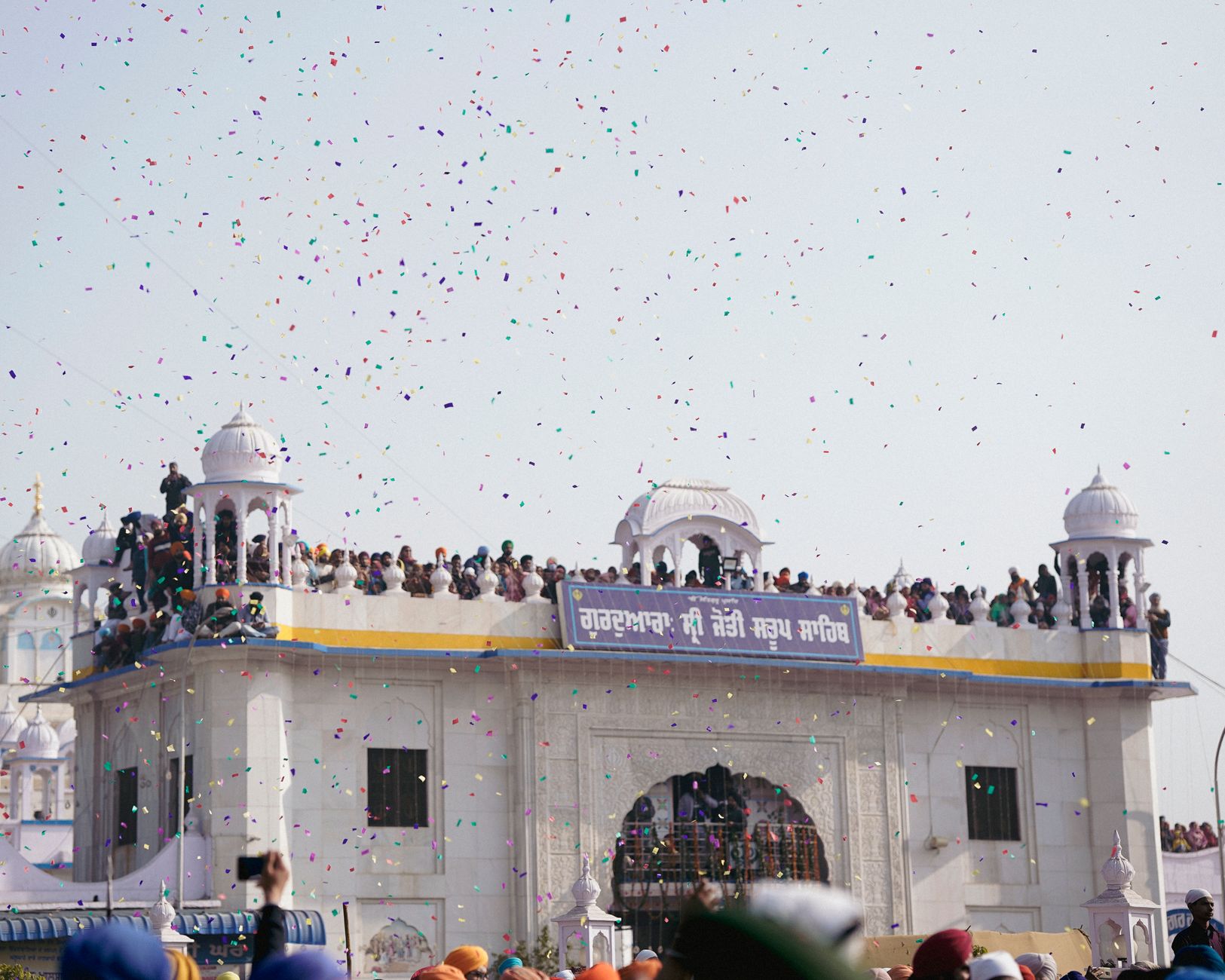 Sarovar at Gurdwara Tarn Taran Sahib reflecting the parikrama at dawn
Tarn Taran has one of Punjab's largest gurdwara sarovars and about eight hotels within two kilometres of it, and the honest answer is that most visitors should sleep in Amritsar instead.
Who Tarn Taran actually suits for an overnight
Tarn Taran is a pilgrimage town built around Gurdwara Tarn Taran Sahib, founded by Guru Arjan Dev, and the massive sarovar that gives the town its name. Most visitors come for the darshan, the langar, and the atmosphere around amavas — the new moon days when tens of thousands arrive for a dip. If your reason for being in Punjab is this gurdwara specifically, and you want to be at the parikrama at 4am for the palki sahib, sleep in Tarn Taran. Otherwise, the town does not repay a night versus staying in Amritsar and driving down.
The town is 25 kilometres south of Amritsar on a well-maintained road that takes about 45 minutes each way outside rush hours. This drive is short enough that most pilgrims not attached to amavas timing simply come as a half-day trip from an Amritsar hotel. If you are already staying in the Golden Temple area, adding Tarn Taran to your itinerary as a morning visit is cleaner than moving hotels for a single night.
The gurdwara-adjacent lodging
The pocket within 500 metres of the sarovar has the town's densest concentration of pilgrim lodging, and the quality is genuinely variable. The gurdwara's own sarai offers free or nominal-cost dormitory and basic room accommodation for visiting pilgrims, and this is what most sangat use. Private guesthouses in the same lanes charge ₹800-1,600 for basic AC rooms that are clean but old, with thin walls and early wake-up calls from the loudspeaker relaying the morning kirtan starting around 4am.
This is the pocket to book if the gurdwara is your entire reason for being in Tarn Taran. You can walk to the parikrama in three minutes, eat langar, and structure your day around the schedule of prayers rather than the schedule of taxis. It is not the pocket for anyone hoping for a quiet lie-in or a proper hotel breakfast. Expect noise, expect early mornings, and expect to share space with genuine pilgrims rather than tourists.
The bypass and outskirts hotels
A ring of newer, mid-range hotels has come up along the Amritsar road and the bypass in the last five years, sitting one to three kilometres from the sarovar. Rooms here run ₹2,000-3,200 with breakfast, parking, and proper hotel amenities including working lifts and reasonable Wi-Fi. This is where wedding parties, business visitors, and pilgrims who want proper hotel comfort tend to book. Autos to the gurdwara run ₹60-100 and take five to eight minutes.
The trade-off is that you lose the atmosphere. Staying near the sarovar means you hear the kirtan, see the sangat arriving through the night, and are part of the town's rhythm. Staying on the bypass, you are in a functional hotel that could be in any Punjab town, and the gurdwara is just a place you visit. Choose based on what you came for.
What is walkable from the sarovar hotels
From a gurdwara-adjacent room you can walk to the parikrama and darbar sahib, the langar hall, the main bazaar selling puja items and Punjabi juttis, and half a dozen small dhabas doing chole bhature and paratha breakfasts. This is genuinely everything a pilgrim needs, packed into a five-minute radius. The bazaar is busiest between 6am and noon on amavas days and quieter on other mornings.
What is not walkable: the Amritsar road hotels, the newer suburbs, and any of the neighbouring villages that give this stretch of Majha its rural character. For those you need an auto or car. The town is small enough that no in-town trip should cost more than ₹80 by auto, and drivers know all the standard pilgrim stops without needing directions.
Tarn Taran versus Amritsar for the same trip
For 90% of visitors, sleep in Amritsar and day-trip to Tarn Taran. Amritsar has hundreds of hotels across every price band, real restaurants, the Golden Temple itself, Jallianwala Bagh, the Partition Museum, and enough infrastructure that a rest day works. Tarn Taran has none of that. Add the 45-minute drive each way and you still come out ahead on time, choice and cost.
The exceptions are two. First, if you are specifically doing amavas at Tarn Taran, being on the ground the night before matters and the drive down in the pre-dawn hours from Amritsar in a taxi is more expensive and less pleasant than being ten minutes' walk from the sarovar. Second, if you have already done Amritsar on a previous trip and want a more compressed pilgrimage experience, a night in Tarn Taran and a morning in the darbar sahib is a genuinely different kind of visit.
Prices, amavas surges and booking
A regular-night AC double in Tarn Taran runs ₹1,500-2,800, which is roughly 30% below equivalent Amritsar rooms outside the immediate Golden Temple pocket. On amavas nights and around major gurdwara events, prices double and rooms book out ten days ahead. The gurdwara sarai is always the cheapest option, sometimes free, and any Sikh family should consider it as the correct spiritual choice regardless of budget.
Booking online works for the bypass and Amritsar-road hotels; the gurdwara-adjacent guesthouses are largely walk-in or phone bookings. Arrive by 2pm to have real choice, especially if you are picky about the room facing away from the loudspeaker system. Check the amavas calendar before booking any Tarn Taran hotel — you may be paying peak rates without meaning to.
Eating around the sarovar
Langar at the gurdwara is available round-the-clock and is the correct meal for any pilgrim visit. Beyond that, the bazaar has decent chole bhature stalls doing brisk breakfast trade from 7am, a handful of small dhabas doing dal-roti-sabzi combos for ₹80-120 at lunch, and one or two sweet shops selling jalebi and pinni. Nothing here is elevated or aimed at outside visitors; everything is aimed at sangat passing through.
For anything beyond that — proper restaurant meals, coffee, non-vegetarian food — you are looking at the bypass hotels or driving back toward Amritsar. Tarn Taran itself, in respect of the gurdwara, is essentially a vegetarian town, and the food scene reflects that. Adjust your expectations before arriving. This is not a food destination and does not want to be one.
Before you book
What people ask before booking Tarn Taran.
The main crowds build from before dawn, with the palki sahib and morning kirtan drawing peak numbers between 4 and 6am. If you want the darshan without the crush, be inside the parikrama by 4am. Come at 8-9am and you will queue significantly, but the atmosphere is at its most intense.
Yes, particularly in and around the gurdwara complex, which is well-lit and busy with sangat at all hours. The bazaar is fine in daylight. As anywhere small-town Punjab, solo walking after 10pm outside the immediate gurdwara area is best avoided — take an auto rather than walking a kilometre to your hotel.
Yes, easily, if you base in Amritsar. Morning drive to Tarn Taran, back to Amritsar for lunch, then out to Wagah for the 4:30pm ceremony. Total driving is about three hours across the day, and a hired car for the full day runs ₹2,500-3,200 including fuel and driver.