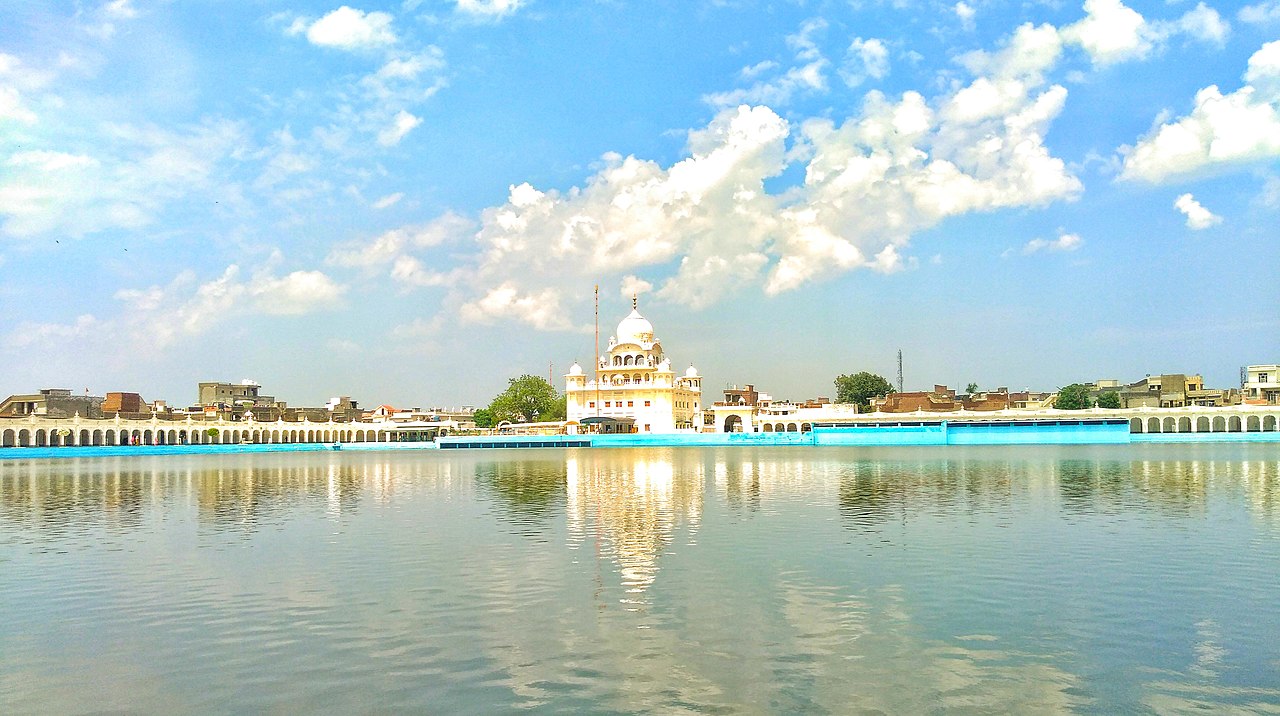
Faridkot
Former princely capital with a striking Raj Mahal, Baba Farid's shrines, and one of Punjab's better preserved forts.
 Raj Mahal palace at Faridkot
Why people stay in Faridkot
Faridkot is named for the 13th-century Sufi Sheikh Farid, whose shrines dot the town, and was a small princely state until 1947. The Qila Mubarak fort here is smaller than Patiala's but more intact — you can actually enter most of it. The Raj Mahal palace is the standout, an early-20th-century pile that combines Indo-Saracenic and European elements. The Guru ki Dhab and Godri Sahib gurdwaras mark Sikh pilgrim stops. The town is small, walkable, and low-tourist — a genuine hidden corner if you have Punjab time. Faridkot state was one of the smallest princely territories in pre-1947 Punjab, ruled by the Brar dynasty, and the old town still follows the grid the family laid out around the fort a century ago.
By 9pm the market around Ghanta Ghar (clock tower) is closing but a few dhabas on the Kotkapura road stay open. Skip: expecting nightlife or restaurants beyond basic. Suits: heritage completists, Sufi-Sikh cross-cultural travelers, anyone assembling a slower Malwa itinerary. Skip if you have less than 5 days in Punjab — Faridkot is worth a day only if you already have Amritsar, Patiala, and Anandpur locked in. During the day the same chowk fills with cycle-rickshaws, cloth shops, and the odd sweet stall selling jalebi for around ₹100 a plate; the red-brick Brijindra College campus a short walk east is worth a slow look from the gate even though the interior is not open to casual visitors.
Food options stay simple: dhaba thalis for ₹120-180, tandoori rotis, and the occasional lassi stall near the bus stand, rather than anything resembling a restaurant scene. Winter (November to February) is the sensible season — daytime temperatures sit in the mid-20s and the fort courtyard is comfortable at midday. Summer pushes past 42°C by May and the old town empties out between noon and 5pm, when most shopkeepers shutter and even the dargah courtyard goes quiet.
Compare Faridkot honestly against its neighbours: Patiala has the grander fort and better hotels, Anandpur Sahib has the pilgrim infrastructure, and Amritsar has everything else. Faridkot's case is narrower — it rewards travelers who want the Sufi-Sikh-princely triangle in one town and are willing to day-trip in from Bathinda or Ferozepur rather than stay the night. If your itinerary is built around Amritsar and the Golden Temple circuit alone, this is an easy one to leave off; if you are already deep into Malwa heritage sites, it slots in well.
Very limited — 3-4 mid-range hotels on the Kotkapura road and near the bus stand, ₹2,000-3,700 in high season (October-March), dropping to ₹1,600-2,800 in the summer off-season. Nothing luxury. The heritage guesthouse at Faridkot House can occasionally be booked for ₹5,000-7,500 but availability is unpredictable and it is not set up for walk-ins — call ahead rather than turning up. Most travelers day-trip from Bathinda (35km) or Ferozepur (65km), where the hotel choice is wider and prices are comparable. Budget lodges near the railway station start around ₹1,000 but are basic — thin mattresses and street noise from the station forecourt. Avoid the unmarked rooms advertised near the grain market; they are unregistered and overpriced for what you get. If you want to stay in town, book the Kotkapura road options first.
Things to do in Faridkot

Well-preserved princely-era fort in the town center. ₹25 entry, open 9am-5pm. The Darbar Hall and armoury are open; some private rooms need permission. Less crowded than Patiala's version.
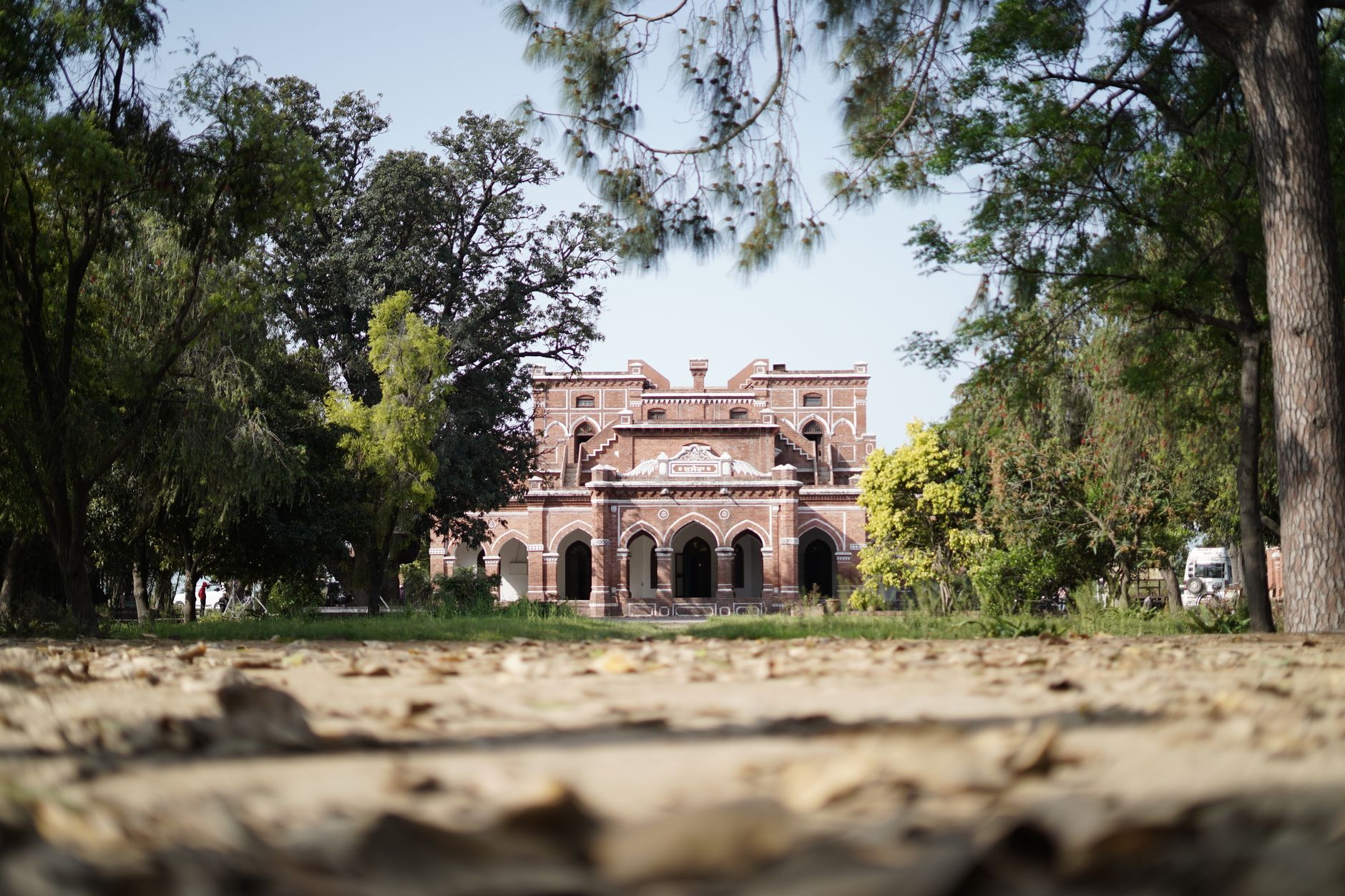
Early 20th-century royal palace on the town outskirts. Currently under partial restoration; exterior viewing free, interior tours by appointment (contact Punjab Tourism). The Indo-Saracenic facade is worth 30 minutes even from outside.

Multiple sites in and around Faridkot associated with Sheikh Farid. The main dargah is open dawn to dusk, free. Thursday evenings have qawwali gatherings — atmospheric and welcoming to respectful outsiders.

A raised mound (tilla) where Sheikh Farid meditated, on the outskirts. Free, open dawn to dusk. Small mosque and shrine at the top. Combines Sufi pilgrimage with a modest hilltop view.

A Sikh gurdwara on the eastern edge of town marking a stop associated with Guru Gobind Singh's travels through the Malwa region. Free entry, open dawn to dusk, langar served at midday. Quieter than the larger gurdwaras elsewhere in Punjab.
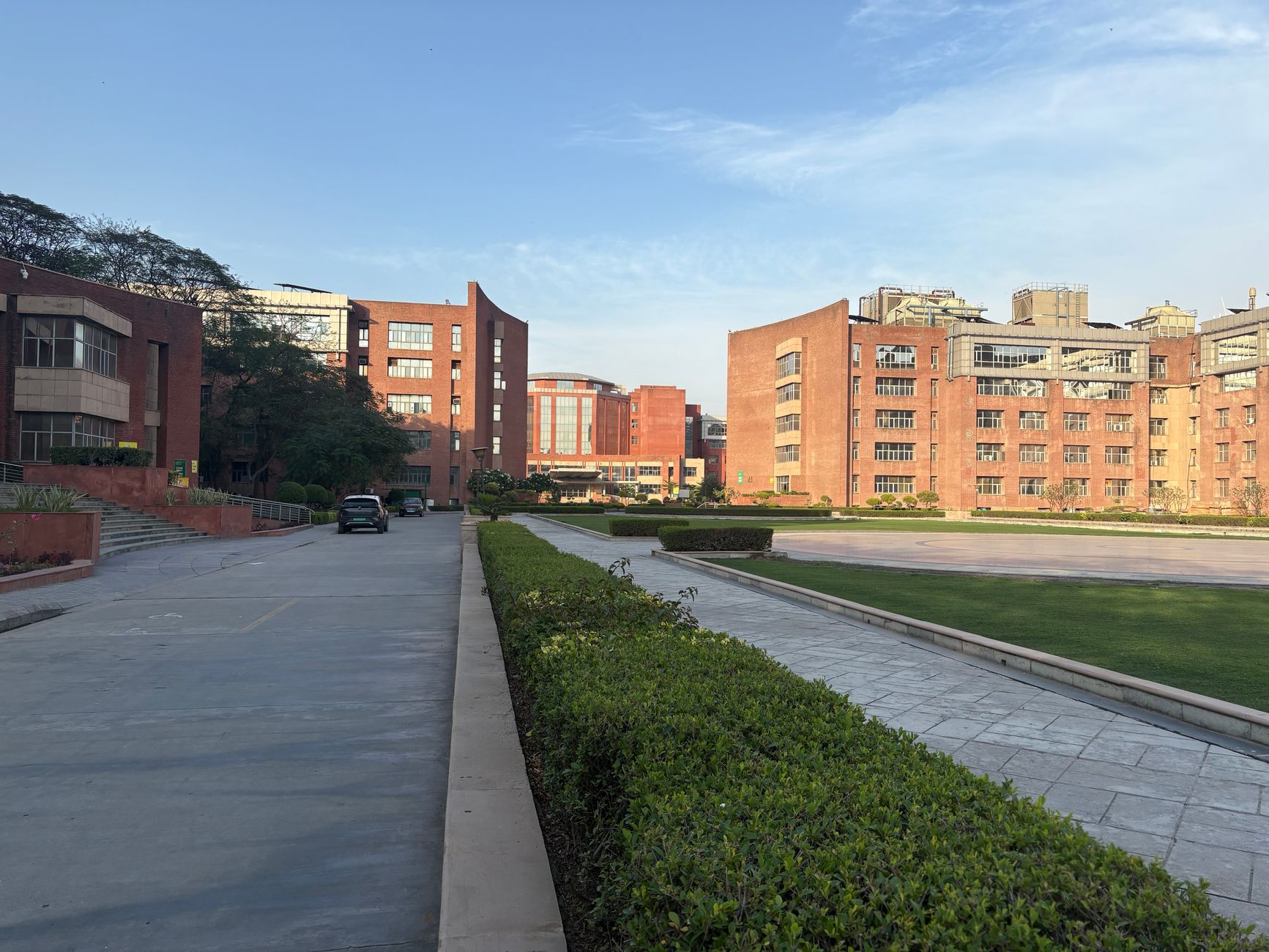
A red-brick colonial-era college building near the old town, founded by the Faridkot royal family in the early 1900s. Not open for interior visits, but the gate and lawns are viewable free any time; worth a 10-minute detour between the fort and the dargah.
What to see
Hotels in Faridkot
No hotels are listed in Faridkot yet. The nearest ones are on the region page.

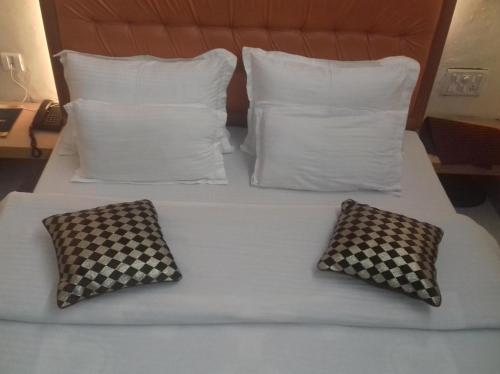
Every hotel we cover in Faridkot
- Hotel Shahi Haveli 3★ · 4.2/5
- Hotel Sandhuz Residency 3★
- Hotel Trump Plaza 3★
Getting around Faridkot
No airport — Bathinda (35km, taxi around ₹1,000) is closest, then onward flights to Delhi and a handful of other cities. Faridkot railway station has connections to Delhi (9-11 hours, general/sleeper class from around ₹900), Ferozepur, and Amritsar, with daily passenger trains on the Bathinda-Ferozepur line stopping here. Buses from Bathinda and Ferozepur run every 20-30 minutes from the main bus stand, ₹80-160 depending on distance and bus type. Inside town autos cost around ₹80 for most trips, and the fort/palace/dargah triangle is walkable in under 30 minutes end to end. For the Raj Mahal and Tilla Baba Farid on the outskirts, take an auto (around ₹120) rather than walking in the midday heat.
Questions about Faridkot
Yes — the town is named after Sheikh Fariduddin Ganjshakar (Baba Farid), a 13th-century Sufi whose verses are also included in the Guru Granth Sahib. He is said to have meditated on the tilla here. The town has a rare cross-cultural weight: Sufi shrines, Sikh gurdwaras, and princely-era palaces all in one small place.
The palace is partly restored and partly private. For interior tours, contact Punjab Heritage & Tourism Promotion Board in advance — sometimes granted, sometimes not. The exterior and gardens can be viewed freely from the perimeter. During special events (occasional heritage weekends) the interior is opened; check the Punjab Tourism calendar.
October to March is the reliable window, with daytime temperatures in the low-to-mid 20s and comfortable walking conditions around the fort and old town. Summer (April to June) regularly exceeds 40°C and the old bazaar and dargah courtyards empty out at midday. Winter mornings can be foggy, which affects early bus and train departures, so build in a little slack if you are catching a connecting service.
Yes — most travelers do exactly this from Bathinda (35km) or Ferozepur (65km) rather than staying overnight, since the hotel choice in Faridkot itself is thin. A day is enough to cover the Qila Mubarak fort, the Raj Mahal exterior, the Baba Farid dargah, and Tilla Baba Farid if you start by mid-morning. Add an overnight only if you also want the Thursday evening qawwali at the dargah, which runs later than a same-day round trip comfortably allows.