Day trip to Anandpur Sahib from Punjab
The birthplace of the Khalsa sits 80km northeast of Chandigarh in the Shivalik foothills — a 3-gurdwara circuit plus one of India's best modern museums.
 White marble domes of Takht Sri Kesgarh Sahib at Anandpur
Getting there
From Chandigarh, drive 2 hours 30 minutes via NH205 through Ropar. There's a direct train (Una Himachal Express) from Chandigarh at 07:35 arriving 10:10 for about ₹80. From Amritsar, it's a 5-hour drive so best done as an overnight. Once in town, everything sits within a 2km walk, or hop into cycle rickshaws for ₹40 a ride. Foreign visitors are welcome at all gurdwaras — just cover your head and remove shoes. The NH205 stretch past Ropar narrows to a single carriageway through several market towns, so budget extra time on Saturday mornings when farmers bring produce into Nangal and Rupnagar; a 6am start from Chandigarh beats the worst of it and gets you into Anandpur Sahib in time for the museum's 10am opening.
Punjab Roadways and private Volvo operators both run buses from Chandigarh's Sector 43 ISBT to Anandpur Sahib for around ₹90, taking closer to 3 hours because they stop at Kharar, Ropar and Kiratpur Sahib along the way — slower than the train but far more frequent, departing roughly every 40 minutes through the day. If you’re coming from Ludhiana, the shortest route runs via the Ludhiana–Jalandhar bypass onto NH205 near Ropar, about 2 hours 15 minutes. Parking near the Takht is chaotic during weekends and any Gurpurab; the municipal lot below the Anandgarh fort charges ₹20 for cars and is the easiest to reach on foot from there.
Virasat-e-Khalsa
The Virasat-e-Khalsa museum, designed by Moshe Safdie and opened in 2011, is the reason to plan the day carefully. Entry is free, closed Mondays, and it takes 2 hours to walk through both the western and eastern buildings. Timed tickets are issued from 10am — arrive by 9:45 to avoid the school-group crush. The permanent gallery uses immersive audio, painted panoramas and multimedia to walk you through 500 years of Sikh history, and it's genuinely world-class even if you’re not religious. Photography is banned inside both galleries, lockers for bags and phones cost ₹10, and the walk between the two buildings crosses an open plaza with almost no shade, so carry water in summer.
The western building covers the Gurus' era up to 1708 in a sequence of dramatic dioramas; the eastern building, added later, covers three centuries of Sikh history since, including Partition and the diaspora, and is usually far less crowded. Guides are not provided, but English and Punjabi audio panels cover every gallery, and the exit corridor sells a well-produced illustrated history for ₹250 that's worth it if you want the detail later rather than reading walls. Skip the museum entirely on a Sunday in Hola Mohalla week — the queue alone can run past two hours — and instead come back on a weekday afternoon.
The gurdwaras and lunch
Takht Sri Kesgarh Sahib is the main gurdwara, marking where Guru Gobind Singh founded the Khalsa in 1699. Free langar runs all day. Walk to Gurdwara Sis Ganj Sahib and the smaller Anandgarh fort ruins. Time your visit for the Hola Mohalla festival in March if you can — three days of Nihang martial arts, mock battles and horseback swordplay. For a paid meal, Punjabi Dhaba near the main chowk does a full thali for ₹200. The main gurdwara complex also houses a small weapons museum displaying swords and armour associated with the tenth Guru, included in the same free entry as the main hall, and worth ten minutes if the langar hall queue is long.
Beyond Kesgarh Sahib and Sis Ganj Sahib, Gurdwara Qila Anandgarh Sahib and Gurdwara Taht Sri Damdama Sahib complete the takht-style circuit locals walk in a single loop, each about 5-10 minutes apart on foot. Anandgarh fort itself is mostly ruins now — a low brick perimeter and a few bastions — so treat it as a 15-minute stop rather than a destination. For a sit-down meal away from the langar halls, the dhabas clustered around the main chowk near the bus stand serve rajma-chawal and Amritsari kulcha alongside the standard thali, all in the ₹150-250 range; skip the tourist-priced cafés directly opposite Kesgarh Sahib's main gate, which charge double for the same food.
Kiratpur Sahib and Naina Devi
Kiratpur Sahib sits 10km south of Anandpur Sahib along NH205, a 15-minute drive, and is easy to fold into the same day. Gurdwara Patalpuri Sahib here is where the ashes of several Sikh Gurus, including Guru Nanak Dev, were immersed in the Sutlej, and it draws a steady flow of pilgrims rather than tour buses, so it's a calmer stop than the main takht. The riverside ghats are worth ten minutes even if you don’t go inside the gurdwara. Buses running the Ropar–Anandpur Sahib route stop directly outside, so you don’t need a private car to add it on.
If you have the whole day, Naina Devi temple sits on a hilltop across the state border in Himachal Pradesh's Bilaspur district, roughly 20km further and reachable either by a steep 45-minute drive or a cable car from the base, overlooking the Bhakra reservoir. Bhakra Dam itself, about 60km from Anandpur Sahib, is one of India's tallest gravity dams and can be visited with a same-day permit shown at the gate — bring photo ID, since phones and cameras are confiscated at the checkpoint. Both make sense as a full loop only if you’re skipping the museum that day; trying to fit Virasat-e-Khalsa, the gurdwaras and Bhakra into one day is the mistake most day-trippers make.
Where to stay
There's no reason to sleep in Anandpur Sahib itself — the gurdwara-run sarais are basic and meant for pilgrims — so most visitors base themselves in the Chandigarh–Zirakpur corridor and drive out early. Orchid Hotel Chandigarh Zirakpur and Holiday Inn Chandigarh Zirakpur by IHG both sit right on the highway out toward Ropar, from around ₹4,500-6,500 a night, and get you moving by 6:30am without fighting through Chandigarh's city traffic first. Radisson Chandigarh Zirakpur is a step up in comfort at a similar price point and has the better breakfast if you’re skipping the langar halls that morning.
For something worth the extra distance, The Oberoi Sukhvilas Spa Resort New Chandigarh is about an hour from Anandpur Sahib through the Shivalik foothills and turns the day trip into a genuine two-day break, with rooms from roughly ₹15,000 upward. Noura Chandigarh The Green Escape and Tdi club Retreat Sector 110 both suit families wanting a pool and lawns to decompress in after a day of temple-hopping, at more moderate rates than the Oberoi. Given the early start the museum demands, I’d pick the Zirakpur highway hotels over anything deeper inside Chandigarh city — the half hour saved on exit matters more than the extra amenities.
Best time to visit
October through March is the comfortable window, with daytime highs in the high teens to mid-20s Celsius and clear skies that make the museum's outdoor plaza and the gurdwara courtyards pleasant rather than punishing. April and May push past 40°C by midday, and the marble floors and courtyards around Kesgarh Sahib get uncomfortably hot underfoot even with the free cloth booties handed out at the entrance. Monsoon season, roughly July to early September, brings heavy rain and occasional flooding along the Sutlej near Kiratpur Sahib, which can close the riverside ghats for a day or two.
Hola Mohalla, the day after Holi in March, is the one date that flips every calculation: hotel rates in Chandigarh and Zirakpur roughly double, the NH205 approach can back up for hours, and the museum queue swells with school and pilgrim groups arriving by the busload. It's worth doing once for the Nihang processions and mock battles, but if you just want the museum and a quiet walk through the gurdwaras, pick any ordinary weekday between November and February instead — you’ll get the same free langar and marble courtyards without the crowd.
Shopping near the gurdwaras
The bazaar lanes between the bus stand and Kesgarh Sahib's main gate are where most visitors pick up souvenirs: kirpans and kara bangles from the shops nearest the gurdwara gate, cassette and CD stalls selling shabad kirtan recordings, and stacks of gutka prayer books in Gurmukhi and English translation. Prices are fixed at most of the religious-goods shops rather than negotiable, and a plain steel kara runs ₹100-300 depending on size, while a decorated kirpan with a proper scabbard starts around ₹500.
Skip the stalls directly facing the main entrance, which mark up tourist-facing items like framed prints and miniature khandas by as much as double; walk two minutes further into the lanes toward Sis Ganj Sahib and the same goods turn up at local prices. If you want something genuinely useful rather than decorative, the bookstalls near the Virasat-e-Khalsa exit sell English-language histories of the Khalsa and Guru Gobind Singh's life that make far better souvenirs than another keyring.
Frequently asked questions
What people ask before they set off on this one.
At least 2 hours to see both buildings properly, 3 if you want to read the panels. It's on a hill outside the main gurdwara complex — a 10-minute walk uphill or ₹80 auto.
The day after Holi (March, dates change yearly). Book hotels 2 months ahead; the town of 15,000 hosts nearly a million visitors during the festival.
Yes, all are open to any visitor. Cover your head with a scarf or bandana (provided free at entries), remove shoes and socks, and wash feet in the shallow entrance pool.
The gurdwara-run sarais offer basic rooms with a donation. For hotels, Kiratpur and Ropar 30 minutes away have better options; Chandigarh remains the comfortable overnight.
Yes — State Bank of India and Punjab National Bank branches with ATMs sit along the main bazaar near the bus stand, a five-minute walk from Kesgarh Sahib. Carry some cash anyway, since the smaller dhabas and religious-goods stalls rarely take cards. The gurdwara langar halls themselves never charge, so you only need cash for transport, the paid meal option, and any shopping.
Kiratpur Sahib is 10km south on NH205, about 15 minutes, and easy to add to any itinerary. Naina Devi, across the border in Himachal Pradesh, is a further 20km and involves either a steep drive or a cable car up the hill. Doing both properly means dropping the museum for that day rather than trying to see everything at once.
Hotels in Punjab
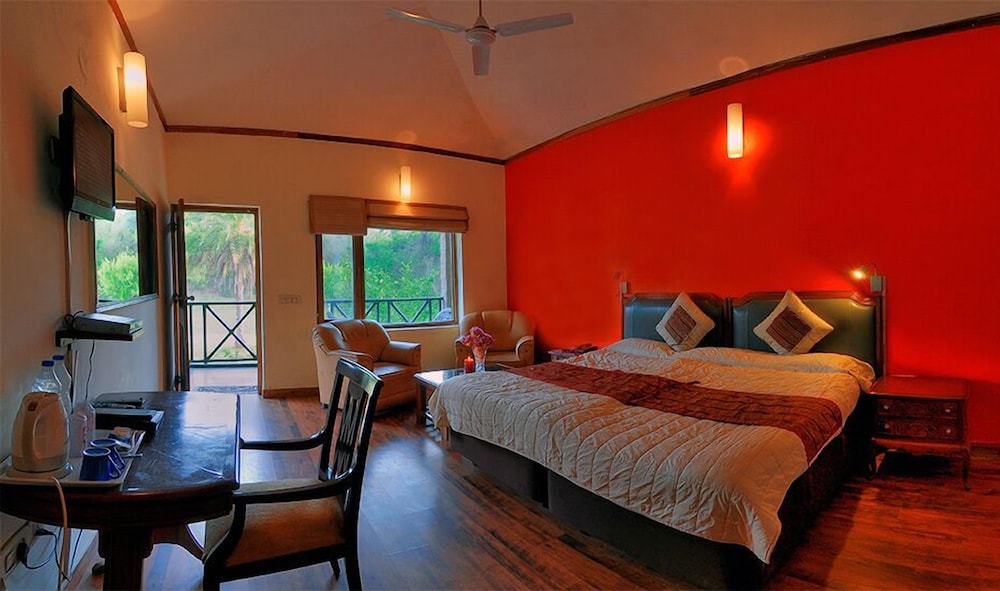
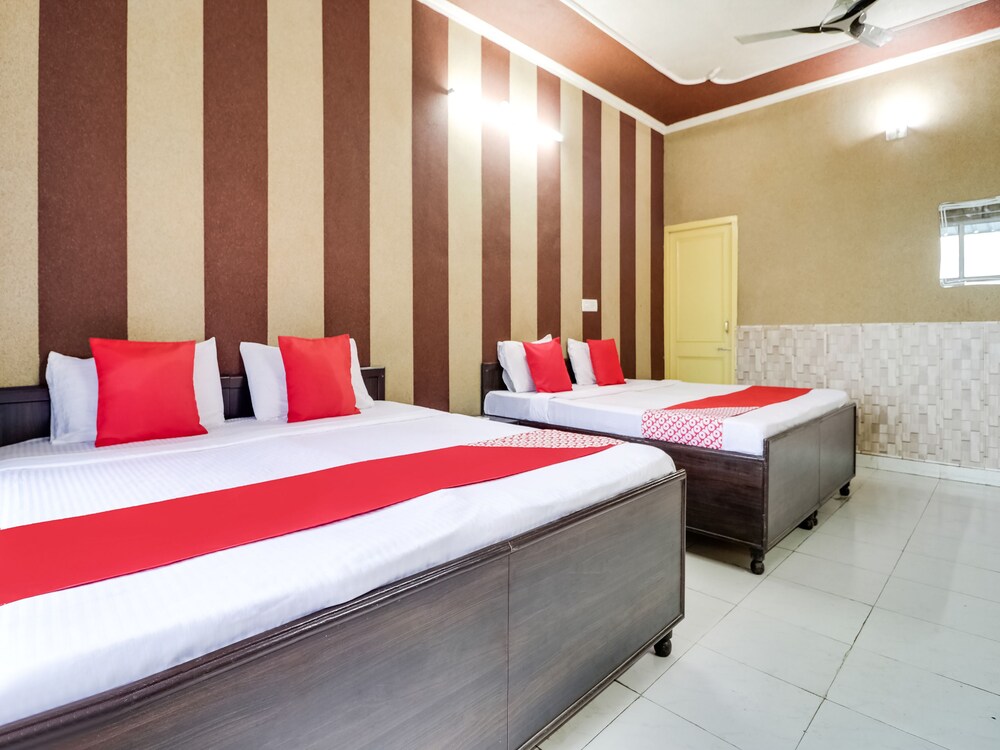
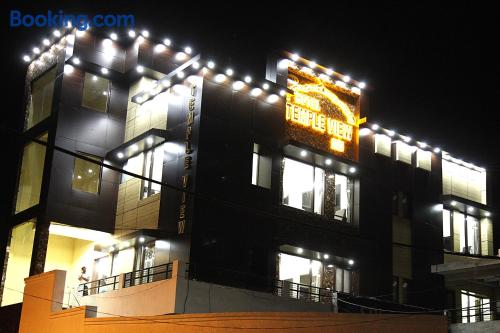
Hotels we cover across Punjab
- Hotel Paris Chandigarh Zirakpur 3★
- Hotel Park Street 3★
- Hotel Paul 3★
- Hotel Pilgrim Near Golden Temple 3★
- Hotel Platinum 3★
- Hotel Plaza by OYO Rooms 3★
- Hotel Pradoe 3★
- Hotel Presidency 3★
- Hotel President Park 3★
- Hotel Prince Palace 3★
- Hotel R S Inn 3★
- Hotel R V Continental 3★
- Hotel Radius 3★
- Hotel Raj Continental 3★
- Hotel Raj Guest House 3★
- Hotel Rajput 3★
- Hotel Ratti Inn 3★
- Hotel Rd 3★
- Hotel Rigal Blu 3★
- Hotel Riyasat 3★
- Hotel Robin 3★
- Hotel Roice Inn 3★
- Hotel Royal 3★
- Hotel Royal 3★
More guides to Punjab
All guides Itineraries · 7 min read
48 hours in Punjab
Itineraries · 7 min read
48 hours in Punjab
Two days is enough for the essential Punjab loop: Amritsar's Golden Temple, the Wagah border ceremony, and a taste of Chandigarh's modernist cool.
 Itineraries · 9 min read
One week in Punjab
Itineraries · 9 min read
One week in Punjab
Seven days lets you pair the big-hitters with rural Malwa, royal Patiala, and 2 offbeat detours most itineraries skip.
 Itineraries · 6 min read
Punjab in 3 days on a budget
Itineraries · 6 min read
Punjab in 3 days on a budget
You can do Amritsar and Chandigarh on around ₹2,900 a day if you sleep in dorms, eat langar, and ride shared transport.
Same room, same price as any major site — every booking through this guide funds one verified tonne of carbon removal.