Day trip to Wagah Border from Punjab
The flag-lowering ceremony at Attari-Wagah is 30km west of Amritsar and remains the country's most theatrical hour of patriotism.
 Border guards high-kicking during the Wagah flag ceremony
Getting there
Shared taxis leave from the Golden Temple's Gurdwara Baba Deep Singh side from about 2pm — pay ₹250-330 per seat for a return trip in a 6-seater Innova. Private cabs cost ₹1,800-2,300 return with 2 hours of waiting. Ola and Uber both work in Amritsar but drivers often refuse to wait at Wagah; agree upfront. The road via Attari passes gurdwaras, mustard fields in winter, and a few dhabas — Sarhad restaurant near the border is a themed pit-stop for chole kulche at ₹250.
If you’d rather skip road traffic on the way back, Attari railway station sits just short of the border and is served by local trains from Amritsar Junction, though services are infrequent and better suited to the outbound leg than the crowded post-ceremony rush. Punjab Roadways also runs buses from Amritsar's main Bus Stand to Attari village for under ₹50 one way, useful if you’re travelling solo and don’t mind a 15-minute walk from the drop point to the security gates. Whichever way you arrive, build in an extra 30-45 minutes for the return: the single-lane road backs up hard once 15,000 spectators start moving at once.
The ceremony itself
Gates open around 2:30pm, ceremony starts 5:15pm in summer, 4:15pm winter. Foreigners have a dedicated VIP enclosure to the right of the main gate — show your passport and skip the general queue. Bring water, a hat, and patience: the pre-show has an hour of Bollywood dancing and flag-running by civilians. The 30-minute ceremony itself is high-kicks, chest-puffing and synchronized flag lowering with the Pakistan Rangers on the other side. Both sides pack out; expect 15,000 people on weekends.
Seating runs in tiers of concrete steps facing the gate, and the closer blocks fill first — Indian nationals without VIP passes should aim to be seated by 3pm on a Sunday to avoid standing at the back. Security is thorough: two separate frisking checkpoints, no bags larger than a small backpack, and a walk of roughly 1km from the car park to the stands, so factor that into your timing if you’re travelling with elderly relatives or small children. Senior citizens and wheelchair users can ask BSF staff at the first checkpoint for the assisted-access lane, which cuts the walk significantly.
What to skip and what to add
Skip the roadside 'Wagah museums' — they’re paid photo-op setups with cardboard soldiers. Do add the Sadda Pind cultural village on the way back if you leave the ceremony fast — it's on the Amritsar-Wagah road and runs evening buffets from 6pm (₹1,500 all-in). Alternatively, request your driver to stop at Pul Kanjari, a small heritage site linked to Maharaja Ranjit Singh, only 5km off the highway and rarely visited.
Also worth skipping are the touts near the parking lot selling flags, face paint and tricolour caps at three or four times what they cost in Amritsar's Hall Bazaar — buy those before you leave the city if you want them at all. Pul Kanjari rewards a 20-minute stop with a restored gurdwara, baradari and step-well, and almost nobody else does it on the same afternoon as Wagah, so you’ll often have it to yourself. Between Sadda Pind's noisy buffet-and-folk-dance evening and Pul Kanjari's quiet heritage detour, pick Pul Kanjari if you’ve already eaten and Sadda Pind if dinner is still on the agenda.
Where to stay before or after the trip
Most visitors base themselves in Amritsar rather than near the border itself, since Attari has no real hotel stock. For walkable convenience to both the Golden Temple and the taxi pick-up points, TreeHouse London Street Amritsar and Bloom Hotel Heritage Walk sit within a few minutes of the parikrama and run roughly ₹3,500-5,000 a night. Backpackers Nest is the budget pick for solo travellers doing Wagah as part of a wider backpacking loop, with dorm beds from around ₹800-1,200.
If you’d rather be close to the airport road for an early flight the next morning, Radisson Blu Hotel Amritsar, Hyatt Regency Amritsar Hotel & Spa and Le Méridien Amritsar cluster along that stretch and run ₹7,000-9,500 a night with pools and proper breakfast buffets — handy after a dusty afternoon at the border. Ramada Amritsar and Courtyard by Marriott Amritsar sit somewhere between the two extremes on price and location. Of the lot, Bloom Hotel Heritage Walk is the one I’d book first: it's close enough to walk to the shared-taxi stand and still inside easy reach of the old city's food streets.
Food and pit stops en route
Beyond Sarhad's themed dining room right at the border, the road out of Amritsar passes several proper Punjabi kitchens worth building into the day rather than treating as a fallback. Bharawan Da Dhaba near Town Hall is the classic pre-departure stop if your taxi leaves from that side of the old city, serving dal makhani and lachha paratha from around ₹150 a plate. Kesar Da Dhaba, tucked into a lane off Chowk Passian, is further from the Wagah road but worth a detour the evening before if you’re staying near the Golden Temple.
Closer to the border itself, the string of dhabas around Attari village serve simpler fare — rajma chawal, egg curry, sugarcane juice — at ₹80-120 a plate, and they’re a better bet than the queue-choked stalls immediately outside the ceremony gates, which triple their prices once the crowds arrive. If you’re doing the Sadda Pind buffet afterwards, skip a heavy lunch beforehand; the ₹1,500 evening spread is generous enough on its own. Carry snacks and water regardless — vendors inside the security perimeter are limited and the queues for them are long once the pre-show crowd builds.
Best time of year to go
October to March is the comfortable window, with the 4:15pm winter ceremony start meaning less standing around in direct sun. December and January bring dense morning and evening fog to the Amritsar-Attari road, which occasionally delays the return drive by 30-45 minutes after dark, so build in slack if you’re catching a late train or flight. April to June is punishingly hot for the open-air stands, and the crowd is noticeably thinner as a result — a genuine option if you’d rather have elbow room than comfort.
Monsoon months (July-September) bring short, heavy downpours that can flood the approach road and occasionally shorten the pre-show dancing, though the flag ceremony itself almost never gets cancelled outright. Republic Day (26 January) and Independence Day (15 August) turn the whole event into a much bigger production with extra troops and a far larger crowd, which is worth seeing once but not a day to bring young children expecting to see much past the shoulders in front of them. For a first visit, a cool-season Tuesday or Wednesday afternoon remains the easiest combination of good weather and a manageable crowd.
Safety and etiquette
This is an active international border post, so treat the security instructions as non-negotiable rather than a formality. Drones are banned outright and confiscated on sight, tripods and professional-looking lenses draw extra scrutiny at the second checkpoint, and BSF staff can and do ask visitors to delete specific photos taken in restricted zones near the gate itself. Camouflage-pattern clothing is best avoided, since it's associated with military uniform and occasionally gets a second look from security staff, even though it isn’t formally banned for civilians.
Dress modestly and comfortably — you’ll be standing, walking and sitting on concrete for several hours, so closed shoes beat sandals once the crowd starts moving. Keep children within sight at all times during the exit surge, when several thousand people funnel back through the same narrow security lane simultaneously. Follow BSF staff instructions immediately if asked to move or stop filming, and keep your passport accessible rather than buried in a bag if you’re using the foreigners' enclosure, since it may be checked more than once on the way in.
Frequently asked questions
What people ask before they set off on this one.
No, entry is free and unreserved. Foreigners get a separate enclosure — arrive by 3:30pm in summer, 2:30pm in winter to get a good seat.
Yes, 365 days a year unless there's a bilateral tension event. Sundays are the busiest; Tuesdays and Wednesdays are the calmest.
Yes, phones and cameras are allowed. Tripods, drones, and large lenses are confiscated at the security check.
Budget 5-6 hours door to door: 45-min drive each way, 90 minutes at the venue pre-show, 30 minutes ceremony, and traffic on the way back.
Comfortable, modest clothing and closed shoes are best, since you’ll be standing and sitting on concrete steps for hours. Avoid camouflage-pattern clothing, which can draw unnecessary attention from security staff. A hat and sunglasses help in the pre-monsoon heat, and a light shawl is worth carrying in winter once the sun starts to drop.
Yes — Pul Kanjari, a small heritage site linked to Maharaja Ranjit Singh, sits just 5km off the main road and takes 20 minutes to see. Sadda Pind cultural village on the same road runs an evening buffet with folk dancing from 6pm for those who want dinner built into the day. Both work better as an add-on after the ceremony than before it, since the ceremony itself runs to a fixed clock.
Hotels in Punjab
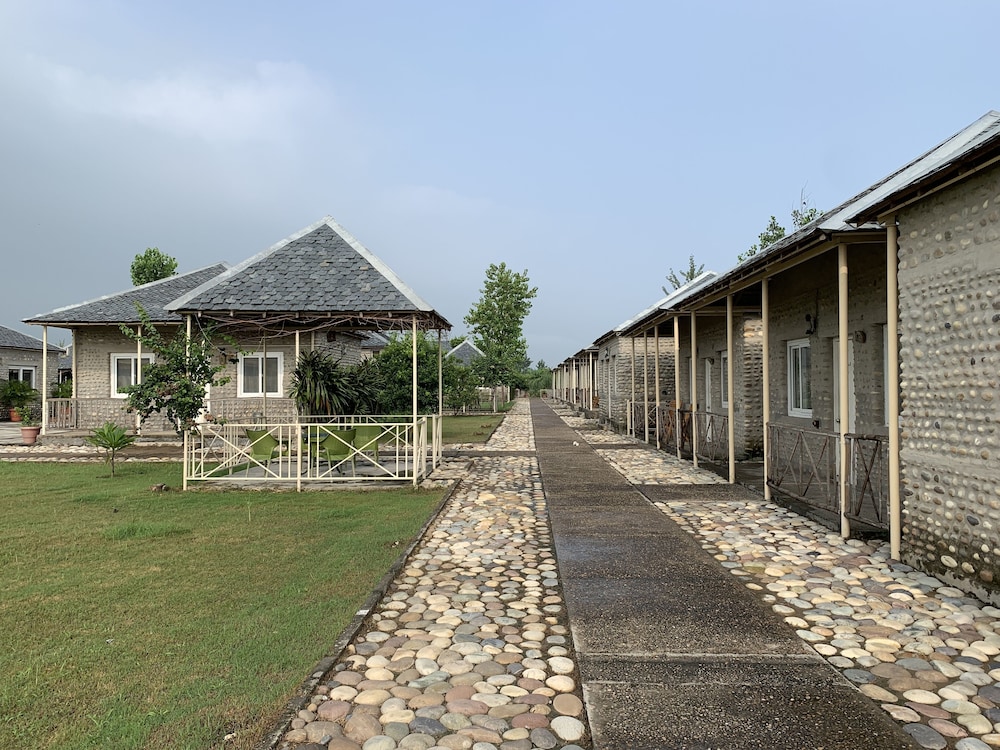
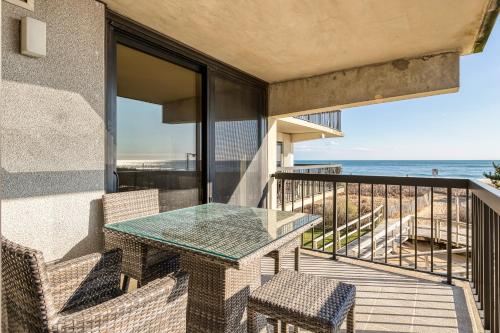
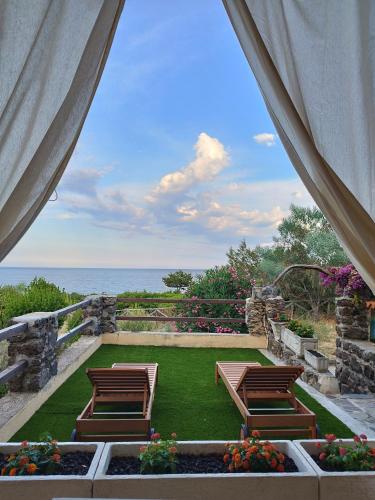
Hotels we cover across Punjab
- Oyo 16376 Hotel Paras 2★ · 3.5/5
- Oyo 16875 Hotel Skyz 2★ · 3.5/5
- OYO 2120 Hotel Silver Haze 2★ · 3.5/5
- OYO 3144 Hotel Sunder Classic 2★ · 3.5/5
- Oyo 3625 Hotel Surya 2★ · 3.5/5
- Oyo 37226 Jass Stays 2★ · 3.5/5
- OYO 37902 Kaler Regency 2★ · 3.5/5
- OYO 40853 Hotel Classic 2★ · 3.5/5
- OYO 6785 Sunder Bus Stand 2★ · 3.5/5
- OYO 8277 Tricity Relax Inn 2★ · 3.5/5
- Oyo 9049 Starlet Prime 2★ · 3.5/5
- OYO 9727 Hotel Welcome Inn 2 2★ · 3.5/5
- SPOT ON 42785 Mr Shawarma Family Restaurant & Hotel 2★ · 3.5/5
- Treebo Trend Welcome Inn 2 2★ · 3.5/5
- Hotel Amritsar Inn 1★ · 3.5/5
- Hotel Sukhman International 1★ · 3.5/5
- Shine Star Homestay Bed and Breakfast 1★ · 3.5/5
- Best Western Plus Amritsar 5★ · 3.4/5
- Royal Palace 4★ · 3.4/5
- 18570 Hotel Jazz 3★ · 3.4/5
- Capital O 30699 Lrc Hotel And Banquet 3★ · 3.4/5
- FabExpress Prabhat 3★ · 3.4/5
- FabHotel Unique 3★ · 3.4/5
- Hotel 365 3★ · 3.4/5
More guides to Punjab
All guides Itineraries · 7 min read
48 hours in Punjab
Itineraries · 7 min read
48 hours in Punjab
Two days is enough for the essential Punjab loop: Amritsar's Golden Temple, the Wagah border ceremony, and a taste of Chandigarh's modernist cool.
 Itineraries · 9 min read
One week in Punjab
Itineraries · 9 min read
One week in Punjab
Seven days lets you pair the big-hitters with rural Malwa, royal Patiala, and 2 offbeat detours most itineraries skip.
 Itineraries · 6 min read
Punjab in 3 days on a budget
Itineraries · 6 min read
Punjab in 3 days on a budget
You can do Amritsar and Chandigarh on around ₹2,900 a day if you sleep in dorms, eat langar, and ride shared transport.
Same room, same price as any major site — every booking through this guide funds one verified tonne of carbon removal.