Safety and street smarts in Punjab
Punjab is among India's safer states for travellers, but 3 patterns — auto overcharging, tour touts and drunk driving on rural roads — need active management.
 Amritsar police tourist assistance kiosk near the Golden Temple
General safety
Violent crime against tourists is rare across Amritsar, Chandigarh and Patiala. Solo female travellers report Punjab as noticeably more relaxed than Delhi or Uttar Pradesh — the Sikh cultural emphasis on hospitality and protection of women is real, not marketing. Standard rules apply: don’t flash cash or phones on quiet streets after 10pm, keep your passport in a hotel safe and carry a photocopy, and avoid the Amritsar-Attari border road at night. Emergency police is 112; tourist police in Amritsar sit near Ghanta Ghar Chowk 24 hours.
Mid-range and upper chains such as Hyatt Regency Amritsar Hotel & Spa, Radisson Blu Hotel Amritsar and Le Méridien Amritsar run 24-hour front desks, in-house security and CCTV lobbies, which matters if you’re arriving on a late flight into Sri Guru Ram Dass Jee International Airport. Budget guesthouses near the Golden Temple's Heritage Street are safe in daylight but thin out by 11pm, so agree a return time with your host. Women's helpline 1091 works statewide, and most hotel staff will call a trusted driver rather than let you flag one off the street after dark.
The 3 real hassles
First, auto and cycle-rickshaw overcharging near the Golden Temple — always agree the fare before getting in, and use the pre-paid auto stand outside the railway station. Second, temple touts offering 'guided tours' or 'special darshan' — genuine gurdwaras charge nothing and have no VIP entries; walk away firmly. Third, drunk driving on rural highways after dark — Punjab has a real alcohol culture and rural roads are unlit, so plan intercity drives to end before sunset. Kasauli and Anandpur Sahib returns are the classic risks.
A fair auto ride from the railway station to the Golden Temple parikrama runs ₹60–₹100; anything above ₹200 quoted on the spot is a tourist markup, and the meter-less bargaining favours whoever speaks first with a firm number. Touts cluster hardest around the Jallianwala Bagh entrance and Partition Museum forecourt, offering 'skip the line' passes that don’t exist — both sites have free or nominal ₹20–₹50 entry with no fast lane to buy. On highway drives, NH1 towards Jalandhar and the Anandpur Sahib route both carry unlit stretches and slow-moving tractor traffic after 8pm; book a driver who knows to finish by dusk rather than push through.
Health and food safety
Punjabi food is heavy but generally safe if it's hot and fresh — busy dhabas turn over faster than tourist restaurants. Skip raw salads and pre-cut fruit from stalls, and drink only sealed bottled water (Bisleri, Aquafina are safe brands). Golden Temple langar is prepared in industrial-scale hygiene and eaten by tens of thousands daily without issue. Pharmacies (chemists) are on every high street and stock most Western medicines cheaply. Fortis Escorts in Amritsar and PGIMER in Chandigarh handle serious cases; both accept international insurance.
Sunstroke and dehydration are bigger practical risks than food poisoning between May and July, when Amritsar and Bathinda regularly hit 42–45°C; carry electrolyte sachets (ORS, sold at any chemist for ₹15–₹20) rather than relying on bottled water alone. Mosquito-borne dengue spikes in the post-monsoon months of September and October, so use repellent in the evenings around canal-side hotels and villages. For anything beyond a chemist visit, Fortis Escorts and Amandeep Hospital in Amritsar, and PGIMER or Fortis Mohali near Chandigarh, are the reliable referral points foreign consulates typically name first.
Getting around safely
Intercity trains are the safest and most predictable option — the Shatabdi Express and Golden Temple Mail link Delhi, Amritsar and Chandigarh with reserved, numbered seating and RPF patrols on every platform. For shorter hops, Punjab Roadways and PRTC buses run frequently from Amritsar's ISBT but can be crowded and short on English signage; private Volvo coaches booked through redBus cost roughly double but guarantee an assigned seat and luggage hold. Ola and Uber operate reliably within Chandigarh and increasingly in Amritsar and Ludhiana, though coverage thins out fast once you’re past the city ring roads.
For self-drive or hired-car trips into rural Punjab, stick to daylight hours and avoid the temptation to shortcut through unmarked village roads on GPS — many exist on the map but are single-lane farm tracks by evening. Hiring a driver through your hotel (most front desks, from Fairfield by Marriott Amritsar down to smaller properties like Hotel Ritz Plaza, keep a shortlist of vetted local drivers) costs a little more than a street-hailed cab but removes the fare-haggling risk entirely. If you’re driving yourself, fill up before dusk — many rural petrol pumps close by 9pm.
Money, ATMs and scams
ATMs from State Bank of India, HDFC and Punjab National Bank are common in every city centre and dispense in ₹100 and ₹500 notes; withdraw during daylight and avoid standalone kiosks in poorly lit lanes at night. Currency exchange counters clustered near the Wagah border car park and railway station forecourts often quote rates 8–10% worse than a city bank branch — change money in central Amritsar or Chandigarh instead, not at the border. Credit cards are widely accepted at hotels and mid-range restaurants but rarely at dhabas or local markets, so carry ₹2,000–₹3,000 in cash for a day of sightseeing.
The most common scam beyond auto fares is the 'donation box' at unofficial stalls near major gurdwaras claiming to fund temple upkeep — real gurdwara donations go through marked counters inside the complex, never a folding table on the street. Be equally wary of unsolicited 'guides' at the Partition Museum or Jallianwala Bagh who latch onto foreign visitors and demand a fee afterwards for an unrequested tour; a polite but firm no works every time. Keep small denominations handy for legitimate shoe-minding stalls outside gurdwaras, which charge a nominal ₹10–₹20 and are the one 'fee' worth paying.
Border areas and restricted zones
The Wagah border flag-lowering ceremony near Attari is the one major tourist draw sitting inside an active security zone — arrive by 4pm for the roughly 4:30–5pm show, expect thorough bag and body screening, and leave phones charged since photography rules shift depending on the officer on duty that day. No liquids, drones or large bags are allowed past the outer checkpoint, and the road back to Amritsar gets choked with returning buses for an hour after, so budget extra time rather than rush a late-evening return.
Villages directly along the international border near Ferozepur, Fazilka and Dera Baba Nanak are generally open to Indian and foreign tourists in daylight but are patrolled zones after dusk — locals simply don’t linger near the fencing after dark, and visitors shouldn’t either. The Hussainiwala National Martyrs Memorial near Ferozepur requires ID at the entry checkpoint but no special permit for most nationalities; check current status locally, since access occasionally tightens around national holidays. None of this affects Amritsar, Chandigarh, Ludhiana or Patiala travel, which sit well clear of any border-sensitive zone.
Frequently asked questions
What people ask before they set off on this one.
Yes, relatively — one of India's safer states. Standard caution applies at night in isolated areas, but daytime and city streets are fine. Sikh gurdwara staff are actively helpful if you feel uncomfortable.
Use the government pre-paid taxi and pre-paid auto counters just outside the station — fixed rates, receipt issued. Skip the freelance drivers waving from the parking lot.
No, stick to sealed bottled water or boiled water. Hotel restaurants typically serve filtered water — safe if the restaurant is reputable, ask if unsure.
No, drones are banned at all major gurdwaras, Wagah border, and the Capitol Complex in Chandigarh. Rules are enforced with immediate confiscation.
Yes during daylight hours, with basic ID checks at fixed points like Hussainiwala near Ferozepur. Avoid lingering near the border fencing after dusk, when patrols tighten and access is discouraged. This doesn’t affect the main tourist circuit of Amritsar, Chandigarh or Ludhiana at all.
Ola and Uber work reliably within Chandigarh's city limits and increasingly in Ludhiana, with GPS tracking and driver details shown upfront. For late-night airport runs or trips into rural areas where app coverage drops, book through your hotel's front desk instead — it costs a little more but removes any fare or route uncertainty.
Hotels in Punjab
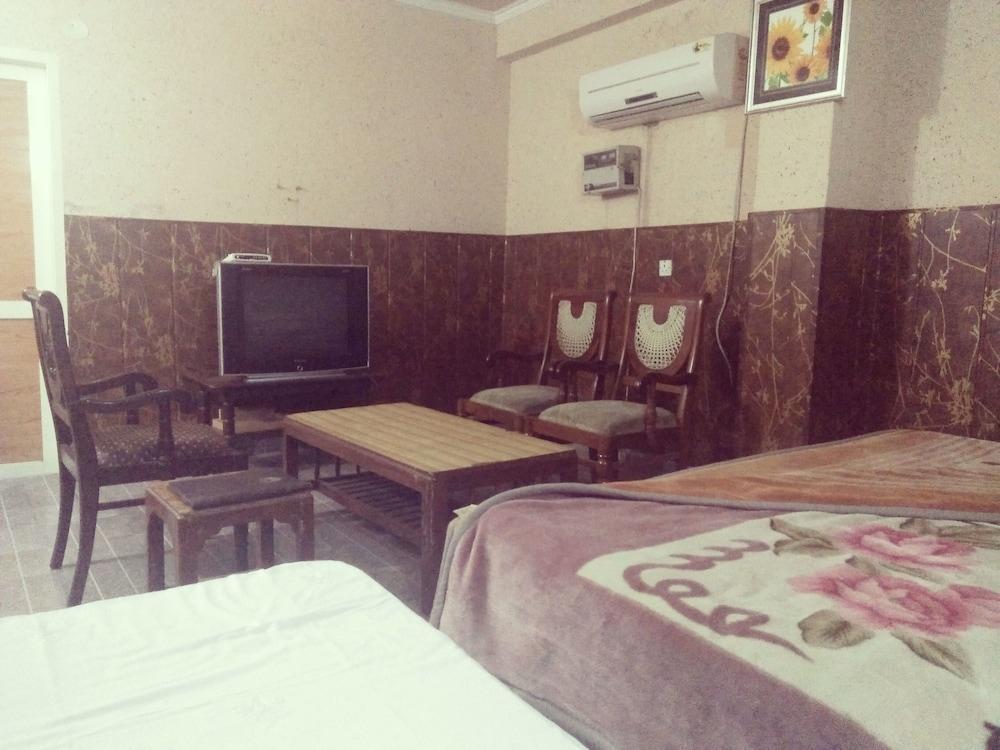
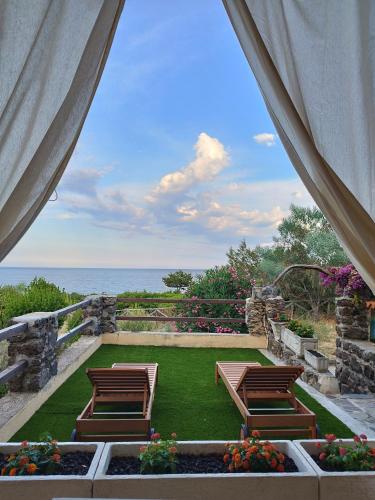
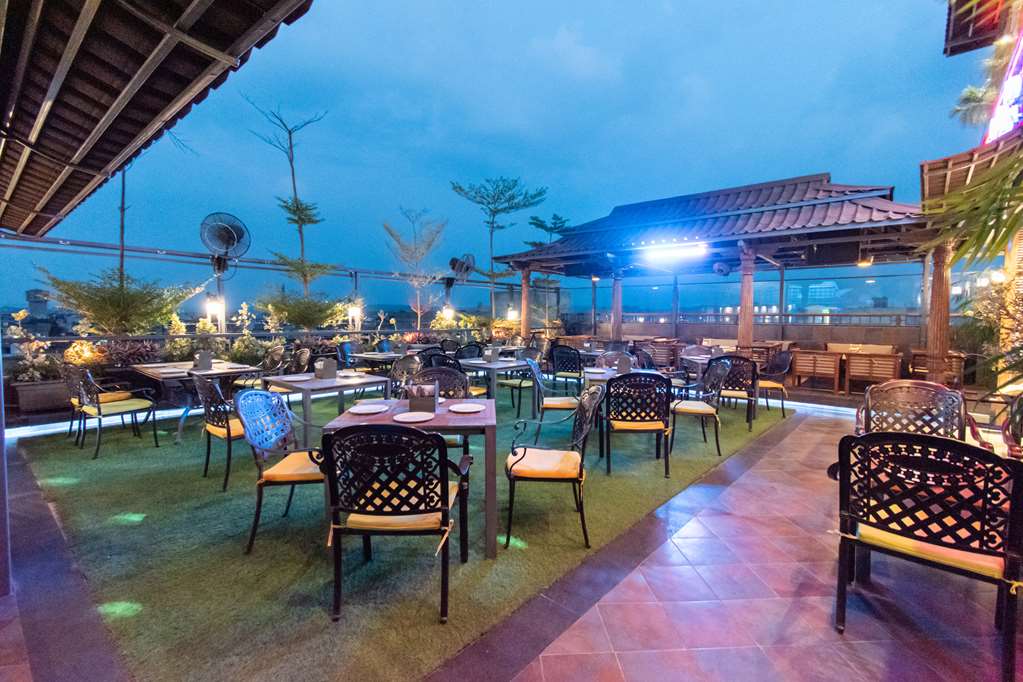
Hotels we cover across Punjab
- OYO 19473 Rr Residency 2★ · 3.4/5
- OYO 24073 Hotel Hari Darshan 2★ · 3.4/5
- OYO 24142 Hotel Smart King 2★ · 3.4/5
- OYO 26665 Hotel Choudhary Residency 2★ · 3.4/5
- Oyo 3004 Hotel Star City 2★ · 3.4/5
- OYO 3145 Hotel Sunder 2★ · 3.4/5
- OYO 3390 Hotel Imperial 2★ · 3.4/5
- Oyo 39778 Hotel Blue Planet 2★ · 3.4/5
- Oyo 40846 Jm Plaza 2★ · 3.4/5
- OYO 43300 Spring Woods Suites 2★ · 3.4/5
- Oyo 9631 Hotel Oak 2★ · 3.4/5
- OYO 9808 Hotel Prem Sagar 2★ · 3.4/5
- Spot On 46852 Hotel Pal Regency 2★ · 3.4/5
- Spot On 61068 Hotel Kr 2★ · 3.4/5
- Hotel Alpha Inn 1★ · 3.4/5
- Hotel Mohali Continental 1★ · 3.4/5
- Finlandia hotel 3★ · 3.3/5
- Hotel Abhi international 3★ · 3.3/5
- Hotel HK Continental 3★ · 3.3/5
- Hotel New Comfort 3★ · 3.3/5
- Hotel O Rk Inn 3★ · 3.3/5
- Hotel Royal Dreams 3★ · 3.3/5
- OYO 14784 Angad Residency 3★ · 3.3/5
- Oyo 28409 Hotel Big City 3★ · 3.3/5
More guides to Punjab
All guides Itineraries · 7 min read
48 hours in Punjab
Itineraries · 7 min read
48 hours in Punjab
Two days is enough for the essential Punjab loop: Amritsar's Golden Temple, the Wagah border ceremony, and a taste of Chandigarh's modernist cool.
 Itineraries · 9 min read
One week in Punjab
Itineraries · 9 min read
One week in Punjab
Seven days lets you pair the big-hitters with rural Malwa, royal Patiala, and 2 offbeat detours most itineraries skip.
 Itineraries · 6 min read
Punjab in 3 days on a budget
Itineraries · 6 min read
Punjab in 3 days on a budget
You can do Amritsar and Chandigarh on around ₹2,900 a day if you sleep in dorms, eat langar, and ride shared transport.
Same room, same price as any major site — every booking through this guide funds one verified tonne of carbon removal.