When to visit Punjab
October to March is peak — cool days, festival calendars and mustard blooms — while May-June and monsoon each have their own arguments.
 Winter mustard fields in bloom near Amritsar
October to March: high season
Daytime temperatures sit 12-25C, nights drop to 4-8C in December-January. Bring a proper jacket for early-morning Golden Temple visits — the marble is bitterly cold. Mustard fields bloom yellow across the state in January-February, which is the postcard-perfect Punjab. Diwali (October-November) and Lohri (13 January) are major visual festivals. December-January weekends see Delhi tourists flood in — book hotels 3-4 weeks ahead. Fog can delay flights and trains through the last two weeks of December and the first two of January.
This is also when hotel rates peak: Hyatt Regency Amritsar Hotel & Spa and Taj Swarna Amritsar run ₹12,000-18,000 a night in the Christmas-New Year window, while mid-range options like Ramada Amritsar or Courtyard by Marriott Amritsar sit closer to ₹6,000-8,000. Budget travellers do well at Backpackers Nest or Tejas Homestay near the Golden Temple, both under ₹1,000 a night if booked two weeks out. The Wagah Border retreat ceremony runs daily near sunset — around 4:15pm in December, 6:15pm in June — and gates close an hour before, so arrive early regardless of season. Republic Day on 26 January adds extra security queues at the border and around Jallianwala Bagh, worth building 30 extra minutes into any itinerary that week.
April-June: hot but underrated
April is still pleasant at 20-32C. May and June push to 42-45C in Amritsar and Ludhiana — brutal outdoors but hotels offer 30-40% discounts. If you’re happy to sightsee 6-9am and 6-9pm and hide in AC in between, this is the cheapest high-value window. Mangoes hit peak in May-June — try dasheri and langra varieties at any street cart for ₹80-100 a kg. Hola Mohalla (mid-March) is the best festival to time a visit for; Baisakhi (13 April) is the wheat-harvest festival with major gurdwara events.
Rates drop hardest at the properties that charge most in winter: Radisson Blu Hotel Amritsar and Le Méridien Amritsar can fall to ₹5,000-7,000 a night in June, against ₹10,000-plus in December. Fairfield by Marriott Amritsar and Best Western Merrion are reliable mid-tier picks with working AC and pools, both useful when the afternoon heat makes the room the only place worth being. Hall Bazaar and Katra Jaimal Singh market stalls sell mango lassi and iced sherbets through the worst of the heat — a better cooling stop than ducking into a mall. Skip any walking tour of the walled city scheduled after 11am in May; guides themselves reschedule these to early morning for a reason.
July-September: monsoon trade-offs
Monsoon brings 30-40C humidity and short heavy downpours in July-August. Landscapes turn lush green and hotel rates drop further. Downside: hill station roads (Kasauli, Dharamsala for onward trips) suffer landslides; Amritsar's older lanes flood after heavy rain; and mosquitoes are a real problem. If you have to travel in this window, stick to city cores with paved streets and skip rural detours. Teej festival in August is women's celebrations across Punjab and worth catching in Patiala or Chandigarh.
Patiala is the better base for Teej itself — Ran Bass The Palace Hotel Patiala sits close to the old city processions and swings set up for the festival, and rooms run ₹4,000-6,000 even in season. Chandigarh's Sector 17 and the Rock Garden stay accessible by paved road through the wettest weeks, unlike the Kandi belt roads toward Hoshiarpur, which can wash out for a day or two after heavy rain. Carry a light rain shell rather than an umbrella — Punjab's monsoon showers arrive in fast bursts with wind, and umbrellas turn inside out on the GT Road stretch between Amritsar and Jalandhar. Book AC rooms specifically; monsoon humidity makes non-AC budget rooms unbearable even at 30C.
Booking windows and price swings
Punjab's hotel pricing swings harder by season than most Indian states because Amritsar draws a specific pilgrim-plus-tourist crowd concentrated around the Golden Temple. December weekends and the week around Baisakhi need booking 3-4 weeks out for anything under ₹8,000; the rest of the year, 5-7 days' notice is usually enough even for well-reviewed mid-range stays like The Fern Residency Amritsar or Golden Sarovar Portico Amritsar. Airport-adjacent options such as Ramada Encore by Wyndham Amritsar Airport or Regenta Inn Amritsar Airport Road hold steadier year-round pricing, useful if you land late and just need one predictable night before heading into the old city.
Chandigarh and Ludhiana see a smaller seasonal swing than Amritsar since their bookings are driven more by business travel than pilgrimage or festival tourism. Radisson Blu Hotel Ludhiana and Orchid Hotel Chandigarh Zirakpur rarely move more than 15-20% between peak winter and low summer. If your trip is Amritsar-heavy, build the itinerary around the temple city's calendar first and treat Chandigarh or Patiala nights as flexible add-ons booked closer to travel. Waitlisting a preferred Amritsar hotel two months ahead of Diwali or Gurpurab (Guru Nanak's birthday, typically November) is not excessive — both dates sell out city-wide.
Regional differences worth planning around
Punjab is not climatically uniform. The Majha region around Amritsar and Gurdaspur runs slightly cooler and foggier in winter than the Malwa belt around Bathinda and Muktsar, where days stay a few degrees warmer but nights are drier. Chandigarh and the sub-Shivalik towns near Kasauli sit at higher elevation, so December mornings there can dip close to freezing, and hotels like Noura Chandigarh The Green Escape or the Orchid Hotel see guests specifically chasing that cooler air. If winter fog is your main worry, the Malwa side (Bathinda, Muktsar) usually clears an hour or two earlier than Amritsar.
For summer, the Doaba belt between the Beas and Sutlej rivers — Jalandhar, Kapurthala, Hoshiarpur — holds slightly more humidity than the Majha plains, making the heat feel worse despite similar thermometer readings. If you’re touring rural gurdwaras or the Kapurthala palaces (Best Western Kapurthala is a convenient base) in June, plan the outdoor portions before 10am. Migratory bird season at the Harike Wetland, on the Amritsar-Ferozepur border, runs November to February and is one of the few outdoor activities that genuinely rewards the coldest, foggiest weeks rather than fighting them.
Festival dates beyond Diwali and Lohri
Hola Mohalla, held at Anandpur Sahib the day after Holi (so mid-March, exact date shifts with the lunar calendar), is Punjab's most visually dramatic festival — Nihang Sikh martial displays, mock battles and processions that dwarf Holi itself in scale here. Kila Raipur Sports Festival, often called the Rural Olympics, runs for three days in early February near Ludhiana and features bullock-cart races and tug-of-war alongside more conventional athletics; it draws a smaller crowd than Hola Mohalla but is easier to reach on a day trip from Ludhiana hotels like Nirvana Luxury Hotel Ludhiana.
Guru Nanak Jayanti (Gurpurab), usually in November, brings candle-lit processions and all-night kirtan to every gurdwara in the state, with the Golden Temple itself illuminated end to end — arguably a better sight than Diwali there, and far less crowded with non-religious tourists. None of these festival dates are fixed on the Gregorian calendar, so confirm the exact day two or three months out rather than assuming last year's date repeats.
Frequently asked questions
What people ask before they set off on this one.
November has the best combination — post-monsoon clarity, 15-25C days, and Diwali festival energy without December's fog.
For midday sightseeing yes, but early mornings and evenings are fine. Golden Temple visits at 5am in May are actually pleasant.
Mid-January to mid-February, with peak yellow around the first week of February. Rural roads outside Amritsar and Patiala are the best drives.
You don’t have to, but adjust plans: stay in cities, skip Kasauli, and expect 1-2 rain washouts a week.
Book 3-4 weeks ahead for December-January weekends and for Baisakhi week in April. Outside those windows, 5-7 days is usually enough, even at popular Amritsar properties.
Harike Wetland near the Amritsar-Ferozepur border is busiest with migratory species from November to February. It is one of the few sights that improves in the coldest, foggiest weeks rather than being hurt by them.
Hotels in Punjab
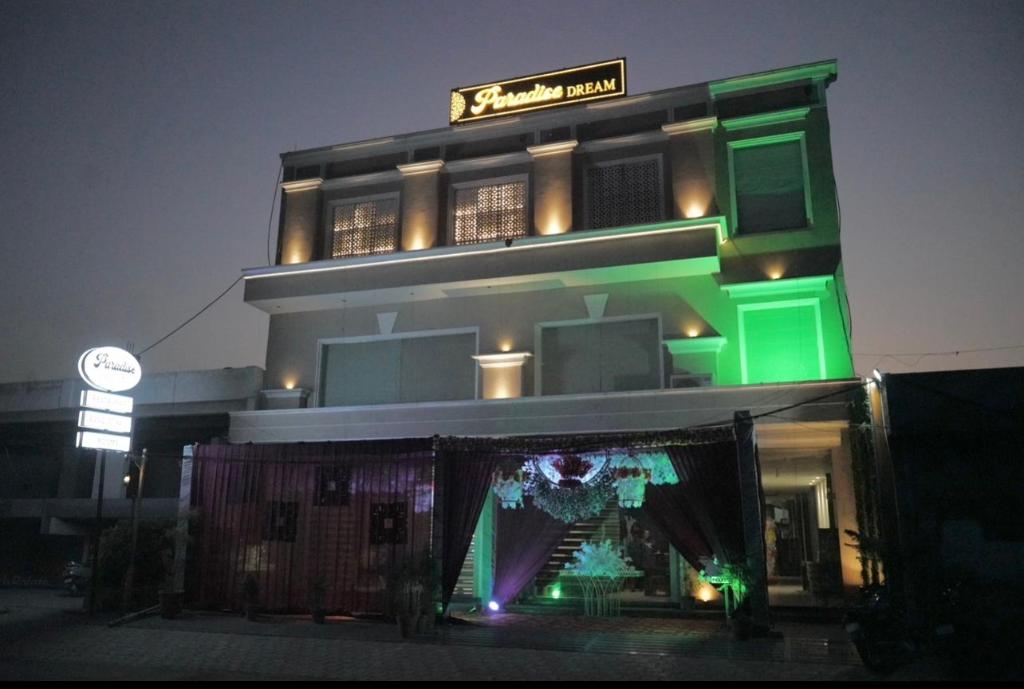
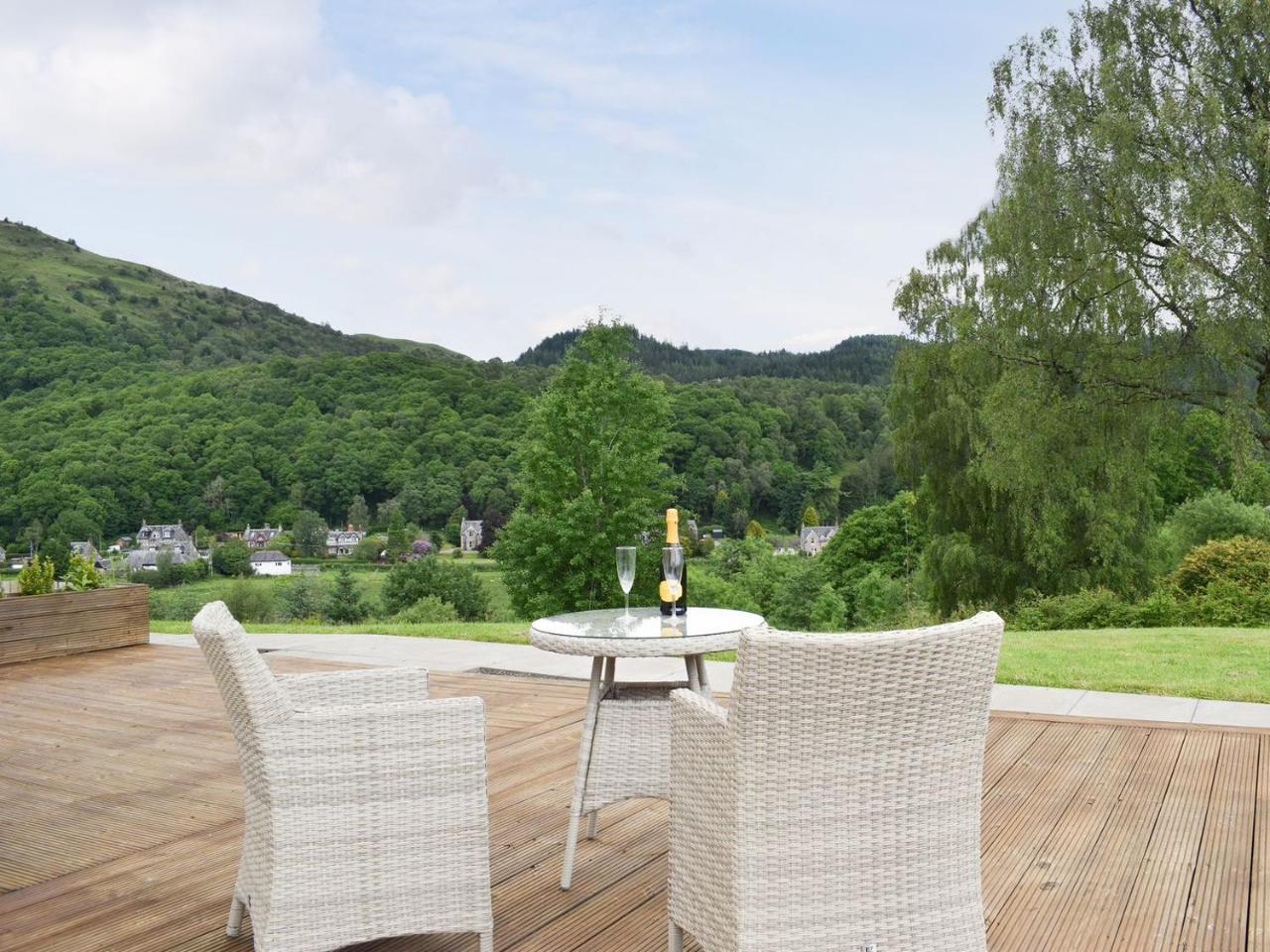
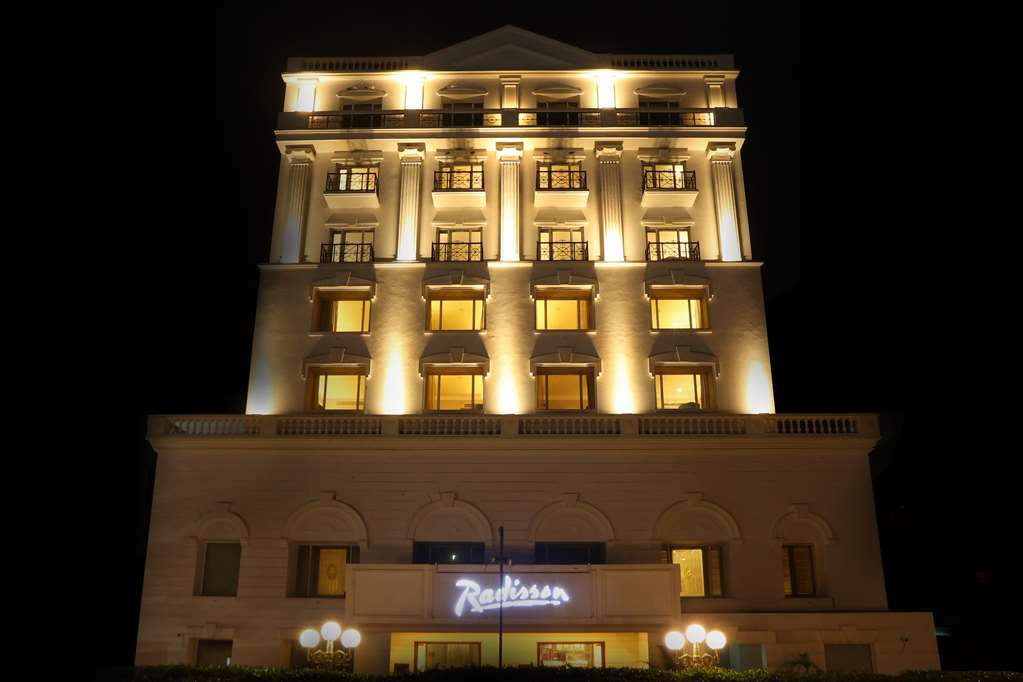
Hotels we cover across Punjab
- Fabhotel Solace Inn 3★
- Fabhotel Sonachi Grand 3★
- Fabhotel Spring 3★
- Fabhotel Stevia 3★
- Fabhotel Supreme Suites 3★
- Fabhotel The Dreams 3★
- FabHotel The Mirage 3★
- Fabhotel The Nation 3★
- Fabhotel Town Pride 3★
- FabHotel Yellow Leaf 3★
- Farmer’s Villa Best Farm Stay as per Guest’s Reviews 3★
- Flagship Seventy Stay in 3★
- Florentino The Luxury Villa 3★
- Flyover Classic 3★
- Fortune Inn Heritage Walk Amritsar Member ITC Hotels' Group 3★
- Fortune Park Hoshiarpur Member ITC Hotels' Group 3★
- Fursat Villa 3★
- G Square Rooms 3★
- Gaj Resort a member of Radisson Individuals Retreats 3★
- Ginger Garlic Chandigarh 3★
- Ginger Ludhiana 3★
- Godwin hotel 3★
- Golden GSC Hotel 3★
- Golden Hut Derabassi 3★
More guides to Punjab
All guides Itineraries · 7 min read
48 hours in Punjab
Itineraries · 7 min read
48 hours in Punjab
Two days is enough for the essential Punjab loop: Amritsar's Golden Temple, the Wagah border ceremony, and a taste of Chandigarh's modernist cool.
 Itineraries · 9 min read
One week in Punjab
Itineraries · 9 min read
One week in Punjab
Seven days lets you pair the big-hitters with rural Malwa, royal Patiala, and 2 offbeat detours most itineraries skip.
 Itineraries · 6 min read
Punjab in 3 days on a budget
Itineraries · 6 min read
Punjab in 3 days on a budget
You can do Amritsar and Chandigarh on around ₹2,900 a day if you sleep in dorms, eat langar, and ride shared transport.
Same room, same price as any major site — every booking through this guide funds one verified tonne of carbon removal.