Moga
Central Malwa dairy town — Nestle's biggest plant in India, wheat fields to the horizon, and quiet residential streets.
 Moga town center and Nestle plant vicinity
Why people stay in Moga
Moga is where Nestle India processes a huge share of the country's milk — the plant on the outskirts is a landmark visible from the highway. The town itself is small, orderly, and largely agricultural. There's not much to see for a general tourist, but it's on the main Ferozepur-Ludhiana route and makes a functional overnight if you’re covering ground. The Gurdwara Aganwan Sahib and the Ram Tirath complex nearby (35km) are the closest thing to sights. The Punjabi film industry has some roots here — director Manoj Punj was from Moga.
By 9pm the town is winding down and the main bazaar shutters roll down early, leaving only a handful of tea stalls near the bus stand lit up. A few good restaurants on the Ludhiana road stay open — Haveli and Ranjit Da Dhaba are the reliable evening options, both doing tandoori and dal till around 11pm. Skip: expecting anything metropolitan. Suits: transit stopovers, dairy-industry visitors, agricultural travelers. Skip on any serious Punjab itinerary — Moga adds nothing that Ludhiana or Ferozepur don’t do better.
The town is also a working grain and cotton mandi, and the Old Grain Market in the older part of town — the same market pictured on most Moga postcards and guides — is genuinely busy during the April wheat harvest and again in October for cotton and paddy arrivals, with trucks and tractor-trolleys queued from early morning. Outside those windows it's a quieter, half-empty yard. This is not staged for visitors; it's the actual commercial engine of the district, and it reads that way — functional, dusty, loud with auctioneers rather than tourists.
As a district headquarters, Moga carries the usual civic layout of a Punjab tehsil town — a courts complex, a civil hospital, a handful of government colleges, and residential sectors that are calm and largely indistinguishable from each other after dark. None of it is a sight in the conventional sense, but it explains why the town feels administratively self-contained rather than built around any single attraction, and why most visitors passing through are here for business, family, or the highway rather than for Moga itself.
Limited hotels — mid-range options along the Ferozepur road and near the bus stand run roughly ₹1,800-3,800 a night in season, dropping to ₹1,400-2,800 in the slower monsoon and winter-fog months when trade traffic thins out. Nothing luxury. Highway strip hotels on the Ludhiana bypass have easier parking and better restaurants attached, and are the better pick if you’re driving rather than walking anywhere. Budget lodges near the bus stand start from ₹900 but are basic — thin walls, erratic hot water, worth it only for a single transit night. Most travelers don’t overnight in Moga at all — Ludhiana (65km) is close enough that you push on — but if you do stay, book one of the Ludhiana-road highway properties over the bus-stand lodges.
Things to do in Moga

Actually 35km from Moga — associated with Ramayana legend as the ashram of Rishi Valmiki where Lava and Kusha were born. ₹25 entry, open dawn to dusk. The sacred tank and shrines take 90 minutes. Combine with Amritsar visits.
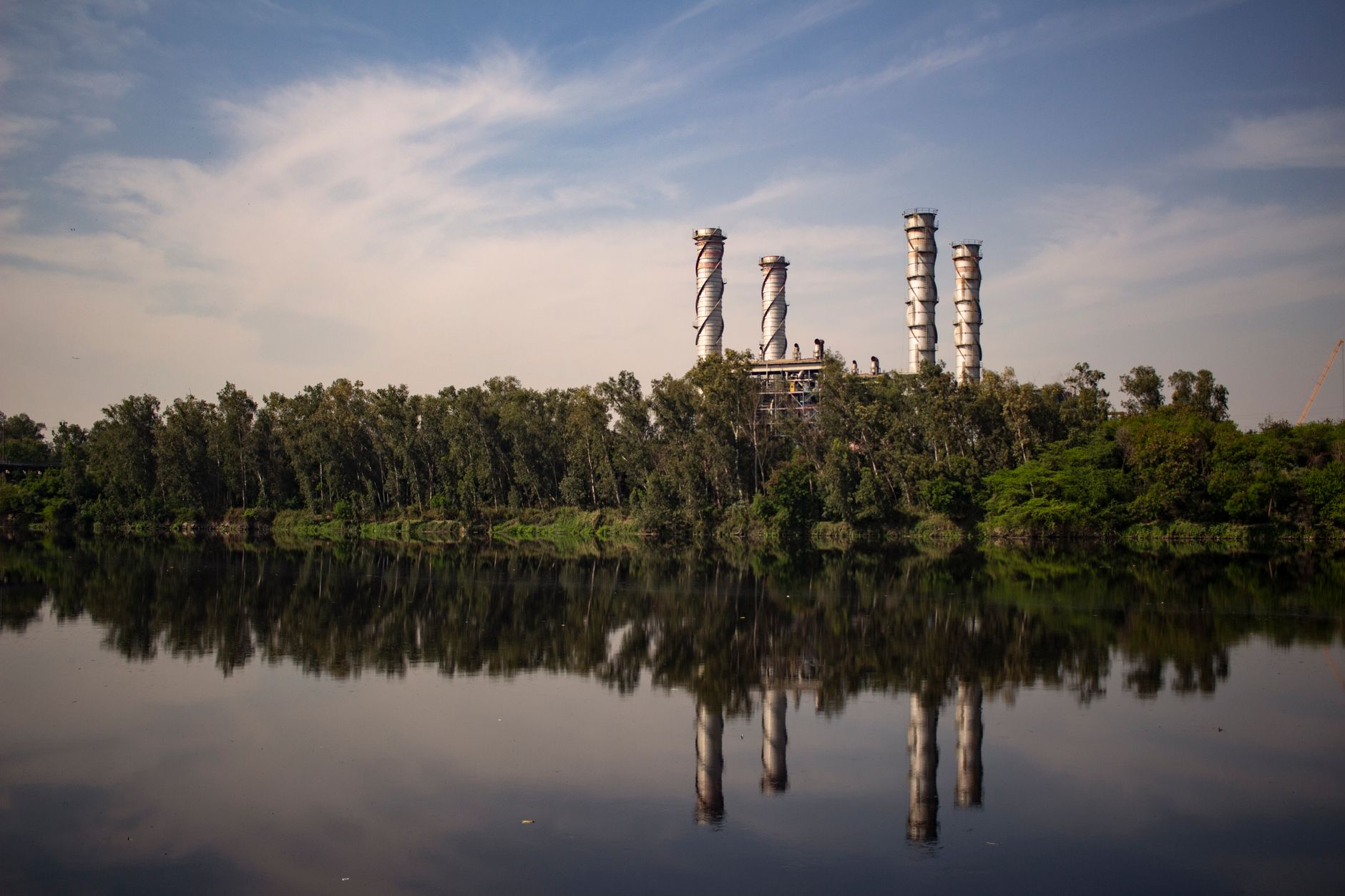
You can’t tour the plant without corporate access, but it's a landmark. Drive past on the Ludhiana road for scale — one of the largest dairy processing plants in Asia. Skip unless you have business context.

Local gurdwara in the town center, associated with Guru Hargobind. Free, open 4am-10pm. Langar served. 30 minutes.

20km away — small village with a Baba Sohan Singh dera and the birthplace of some Punjabi cultural figures. Genuinely rural, no tourist infrastructure. For those who want unmediated Malwa.

Near the town's central bazaar, this working mandi is worth 45 minutes during the April wheat or October cotton and paddy arrivals, when auctioneers and tractor-trolleys fill the yard from around 7am. Free to walk through; outside harvest weeks it's largely empty and skippable.

Haveli and Ranjit Da Dhaba, both on the Ludhiana road out of town, serve tandoori and dal makhani till roughly 11pm for ₹250-450 a head. The most reliable reason to be out after dark in Moga; the town center itself has little open.
What to see
Hotels in Moga
No hotels are listed in Moga yet. The nearest ones are on the region page.
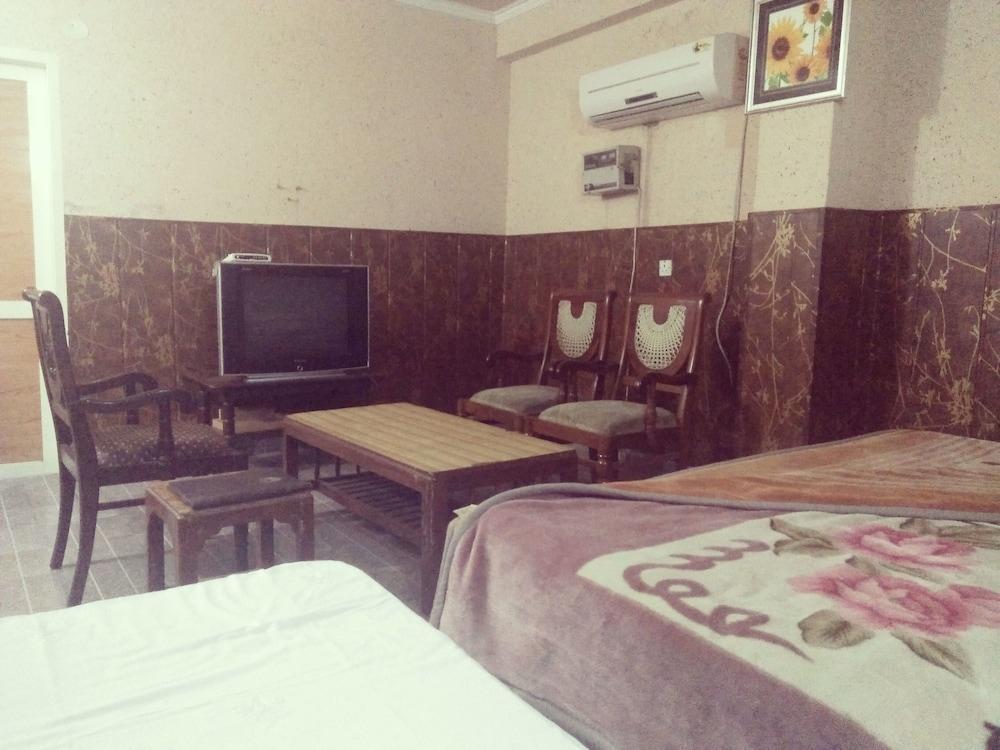
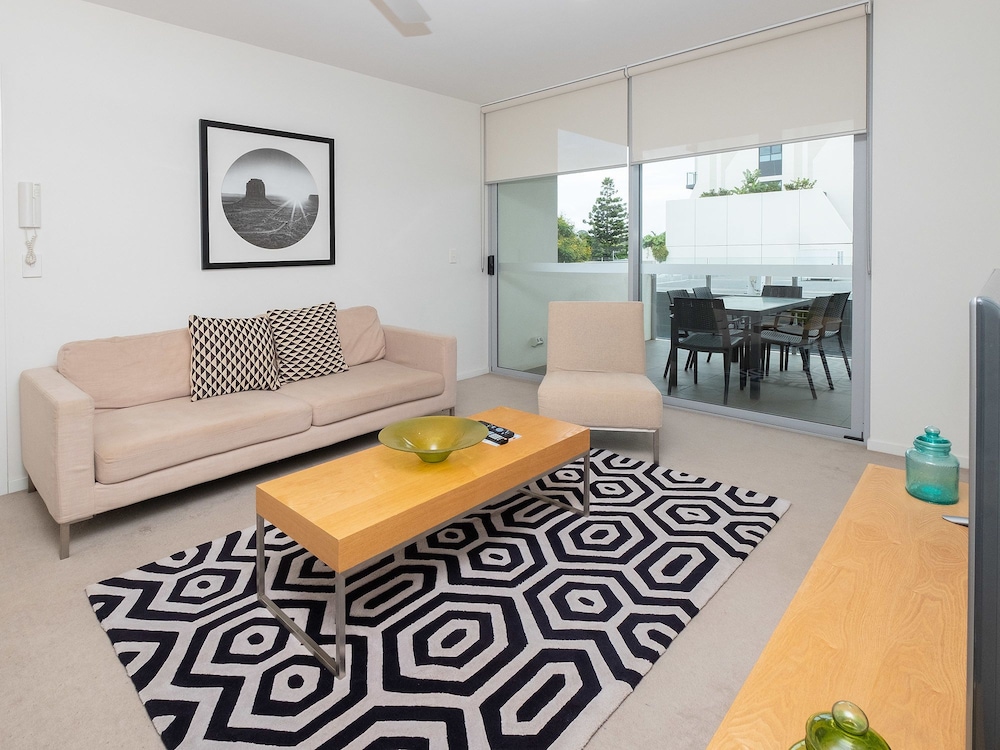
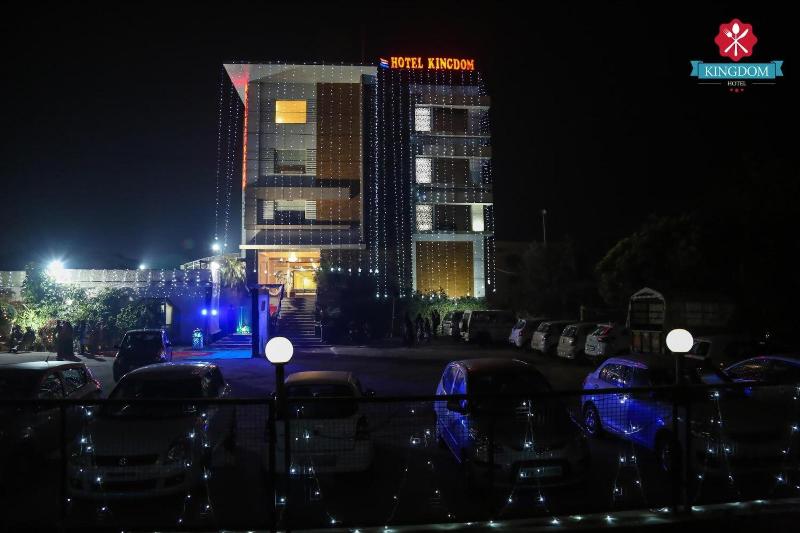
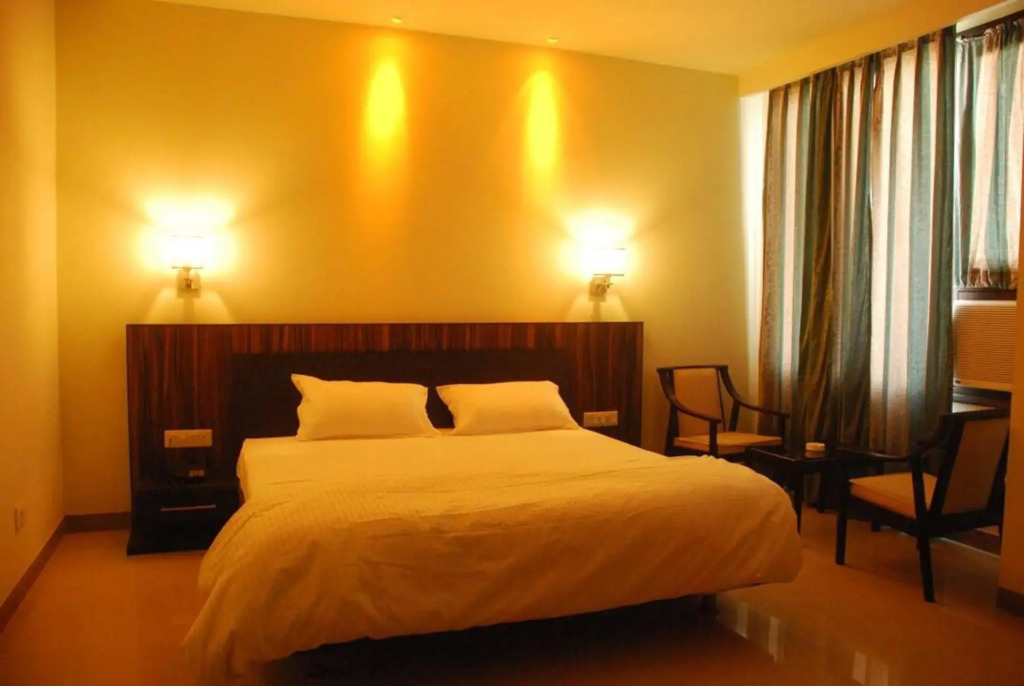
Every hotel we cover in Moga
- Hotel Whistling Greens 2★ · 4.5/5
- Kingdom Hotel 3★ · 3.9/5
- Finlandia hotel 3★ · 3.3/5
- Hotel Neelam Moga 3★
- Hotel Noor Mahal 3★
- OYO 18810 Hotel Noor Mahal 3★
- Super Hotel O Shiv Sai Guest House 3★
Getting around Moga
No airport in Moga itself — Sahnewal (Ludhiana, 65km, taxi ₹1,800) handles limited domestic flights, while Amritsar (110km, taxi ₹3,200) has the nearest international connections. Moga railway station sits on the Ferozepur-Ludhiana line, with slow trains onward to Delhi; journeys take longer than the equivalent bus. Buses from Ludhiana ISBT run every 20 minutes for about ₹120, and Ferozepur buses are similarly frequent. Inside town, autos charge roughly ₹80-100 for most cross-town trips, and the bus stand, main bazaar, and Gurdwara Aganwan Sahib are all within a 15-20 minute walk of each other. If you’re driving Ludhiana-Ferozepur, the NH5 runs straight through Moga, making it a natural fuel-and-food stop rather than a destination.
Questions about Moga
Rarely — only if you have business at the Nestle plant, a family visit, or you’re specifically breaking a long drive. As a tourist stop it doesn’t earn a night. Ludhiana (65km, better hotels and food) or Ferozepur (60km, more sights) are both better bases in either direction.
110km, about 2 hours by car via NH5. Not a natural stopover on an Amritsar-Delhi route — that goes through Jalandhar and Ludhiana. Moga is on the Ferozepur-Ludhiana axis and only makes sense if you’re specifically routing through Ferozepur or the Malwa belt.
Primarily for hosting Nestle India's largest dairy processing plant in the country, and for being a busy grain and cotton mandi town in the Malwa region. It's also the birthplace of Punjabi film director Manoj Punj. Beyond the industry and the mandi, it's a working district headquarters rather than a sightseeing destination.
No — the plant does not run public or casual tours, and access is restricted to corporate visitors and business partners. You can see it from the Ludhiana road as you pass, which is as close as most travelers get. Anyone planning a business visit should arrange access with Nestle in advance rather than turning up at the gate.


.jpg?width=1280)