Anandpur Sahib
Birthplace of the Khalsa, five historic gurdwaras, and the massive Hola Mohalla festival every March.
 Takht Sri Kesgarh Sahib gurdwara at Anandpur Sahib
Why people stay in Anandpur Sahib
Anandpur Sahib is where Guru Gobind Singh founded the Khalsa in 1699 — one of the five holiest Sikh cities and the site of five takhts and gurdwaras. Physically it sits at the base of the Shivalik foothills on the Sutlej, greener and more scenic than most Punjab plains cities. The Virasat-e-Khalsa museum (opened 2011, designed by Moshe Safdie) is genuinely one of the best museums in India — modern, immersive, and free. Takht Sri Kesgarh Sahib is the main gurdwara, active 24 hours.
By 9pm the gurdwara complex is still full of pilgrims and langar is running. Outside the sacred zone the town is quiet — Anandpur is not a nightlife place. During Hola Mohalla (March, day after Holi) the population multiplies tenfold and Nihang warriors perform gatka and horseback stunts. Skip: expecting nightlife or restaurants beyond dhabas. Suits: Sikh pilgrims, museum lovers, anyone doing a serious Punjab heritage circuit. Skip if you have zero interest in Sikh history — you’ll be bored in 3 hours.
The old town spreads along narrow lanes below the fort walls, and most life happens within the half-kilometre between the bus stand and Kesgarh Sahib — chai stalls, cloth shops selling Nihang-style turbans, and a scatter of dhabas doing rajma-chawal for ₹80 and a thali for ₹120. Langar at the main gurdwara runs continuously and is free, no donation expected, though most pilgrims drop a few rupees in the box. Mornings before 8am are the calmest time to see Kesgarh Sahib without the midday tour-bus crowds; by noon coach parties from Chandigarh and Patiala fill the courtyard.
Anandpur works well as a single overnight or even a long day trip from Chandigarh — there is genuinely not enough here to fill more than two days unless you are here specifically for Hola Mohalla. Head covering (a scarf works fine, sold at the gate for ₹20) and shoe removal are required at every gurdwara, and photography is restricted inside the inner sanctum of Kesgarh Sahib. Families travelling with young kids should budget extra time at Virasat-e-Khalsa, which has interactive galleries kids tend to like more than adults expect. If you are not planning to visit any gurdwara, there is little reason to detour here at all.
Hotel infrastructure here is thin and mostly functional rather than atmospheric. The SGPC-run Anand Niwas guesthouse right by the main gurdwara complex is basic but cheap, ₹800-1600 a night, and is the best choice for pilgrims who want to be walking distance from Kesgarh Sahib before the 4am ardas. A handful of private mid-range hotels, ₹2500-4500 a night, cluster along the Kiratpur road and near the Virasat-e-Khalsa museum turn-off — fine for a single night, nothing to seek out for its own sake. Prices roughly double during Hola Mohalla week in March, when rooms should be booked at least three months ahead. Homestays in the nearby villages of Naina Devi and Kiratpur, from around ₹2000, are quieter and more atmospheric than anything in town — book one of those if you have a car and want somewhere nicer to sleep.
Things to do in Anandpur Sahib

The main takht (seat of Sikh authority), site of the 1699 Khalsa formation. Free, open 24 hours. Head covering required, shoes off. The kirpans and weapons of Guru Gobind Singh are displayed inside — allow 45 minutes.

Moshe Safdie's stunning museum of Sikh history, on a hill 1km from Kesgarh Sahib. Free, open 10am-5pm, closed Mondays. Allow 2 hours minimum. The audio guide (₹80) is essential. One of the best museums in North India.

Hindu Shakti Peeth shrine 25km away, technically in Himachal on a hilltop — cable car ₹300 return. Free entry, open 4am-11pm. Views over the Sutlej gorge are excellent. Combine with Anandpur in a single day.

One of the five fortress-gurdwaras built by Guru Gobind Singh, 1km from the main takht. Free, open dawn to dusk. Less crowded than Kesgarh. The old well and ramparts are original.

The fortress-gurdwara where Guru Gobind Singh's forces made their stand against the hill-state armies in 1700, a 15-minute walk south of Anandgarh Sahib. Free, open dawn to dusk. Quieter still than Anandgarh — often just a handful of local sevadars — and worth it for the original ramparts and the view over the river plain.

The lane running from the Anandpur Sahib bus stand toward Kesgarh Sahib is lined with shops selling kirpans, kara bangles, and kirtan CDs from around ₹100; it is the obvious stop for a souvenir with actual local use rather than a tourist trinket. Busiest 10am to 7pm, dead by 9pm.
What to see
Hotels near Anandpur Sahib
No hotels are listed in Anandpur Sahib yet. The nearest ones are on the region page.
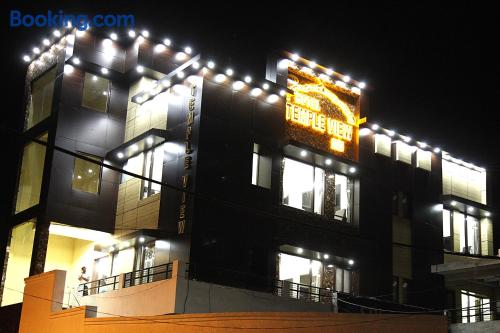
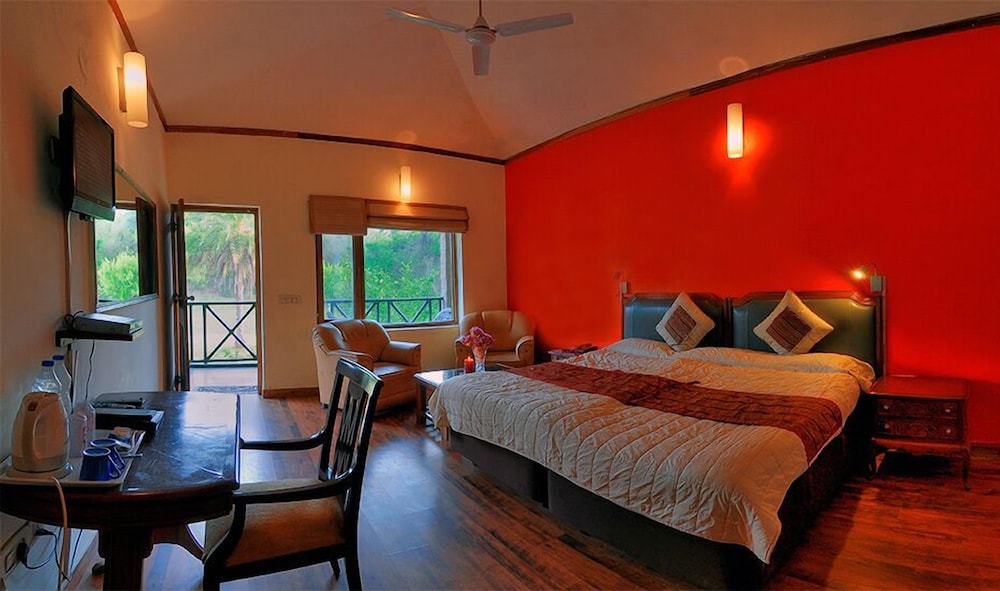
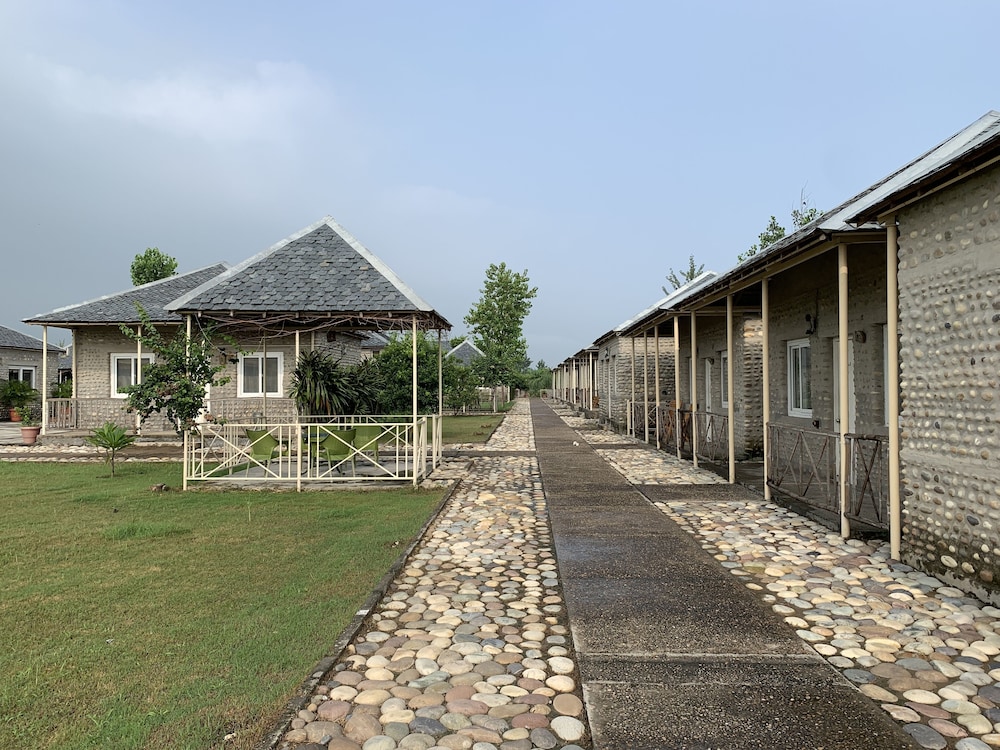
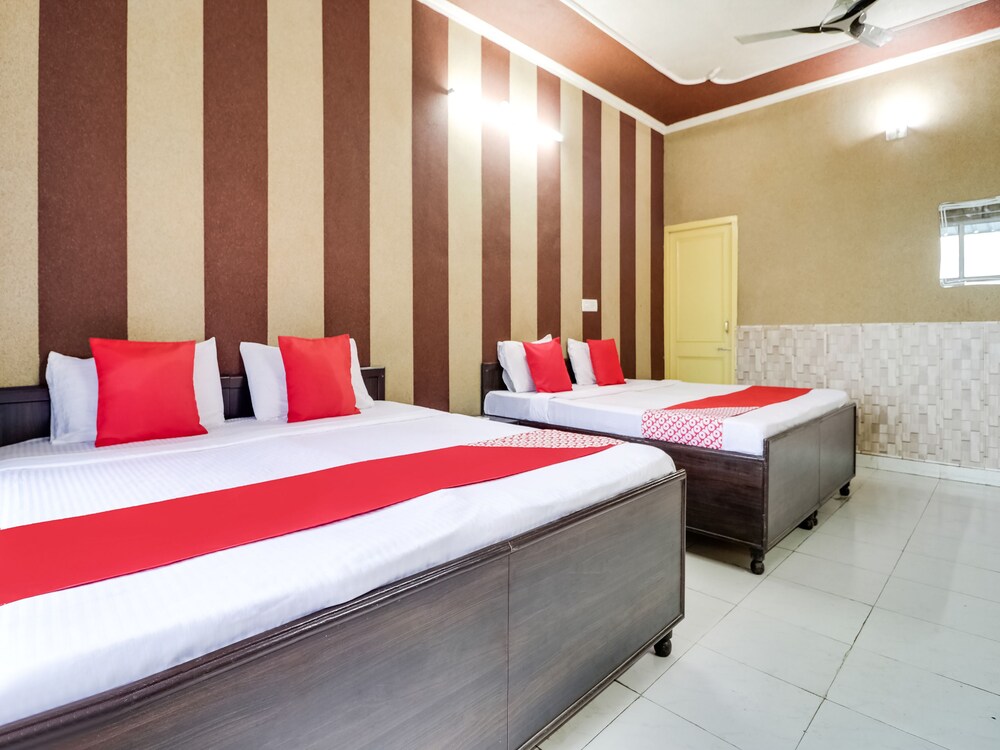
Every hotel we cover in Anandpur Sahib
- Fabhotel Lime Wood 3★ · 4.5/5
- Hotel temple view inn 3★ · 4.5/5
- The Metropolitan Hotel and Spa New Delhi 5★ · 4.2/5
- OYO 39889 Palace Plaza 2★ · 4.2/5
- Oyo 46131 Hotel Arora 3★ · 3.7/5
- Hotel Holy City Paradise Inn 2★ · 3.7/5
- King Cliff Muktsar 4★
- Amritara Olive Trotter 3★
- Anand at the Satluj 3★
- The Kikar Lodge 3★
- Hotel Heritage Lodge 2★
- Hotel White City 2★
- The Regent Hotel 2★
- Casa Bonita A Beautiful Stay
- Elegance Beyond Ordinary Stays
Getting around Anandpur Sahib
No airport — Chandigarh (85km, taxi around ₹3000) is the closest and the drive takes under two hours on the Chandigarh-Una road. Anandpur Sahib's own railway station is small and lightly served; the practical rail connection is via Kiratpur Sahib or Rupnagar, both roughly 20km away, with onward auto or bus. Buses from Chandigarh ISBT run every 30 minutes, ₹150, 2.5 hours, and stop directly opposite the main bazaar. From Ludhiana the drive is about 2 hours. Inside town everything is walkable — the whole five-gurdwara circuit is 4km on foot — or ₹150 by auto for the same loop if you are short on time or the heat is up.
Questions about Anandpur Sahib
The day after Holi — usually mid-March, dates vary annually by lunar calendar. Yes, it's worth visiting once — Nihang warriors on horseback, gatka martial arts, langar for 200,000+, three days of processions. Book accommodation 3 months ahead; hotels in Anandpur and Rupnagar fill up fast. Expect crowds like nothing you’ve seen.
Minimum 2 hours, ideally 3. It's split into two complexes — the eastern gallery (early Sikh history) and western gallery (18th-20th century). The Moshe Safdie architecture alone is worth 30 minutes of your time. Get the audio guide for ₹80; without it you’ll miss half the context. Closed Mondays.
Yes — it is a pilgrimage town with a strong community presence around the gurdwaras and langar halls, and Sikh gurdwaras are generally very safe day or night. Dress modestly, cover your head inside any gurdwara, and the main circuit between Kesgarh Sahib and the museum is well-lit and busy until late evening. Outside Hola Mohalla the town is sleepy rather than risky, and solo travellers are a common sight around the SGPC guesthouses.
Easily — it is a 2 to 2.5 hour bus or taxi ride each way, and Kesgarh Sahib plus Virasat-e-Khalsa together take about half a day. Leave Chandigarh by 8am to arrive before the tour buses, see both sites, eat at the bazaar, and be back by early evening. An overnight only makes sense if you are here for Hola Mohalla or combining it with Naina Devi.


