Fatehgarh Sahib
Site of the martyrdom of Guru Gobind Singh's younger sons — a somber, essential stop on any Sikh heritage circuit.
 Gurdwara Fatehgarh Sahib memorial complex
Why people stay in Fatehgarh Sahib
Fatehgarh Sahib is a small town with heavy history — the two youngest sons of Guru Gobind Singh (Zorawar Singh, 9, and Fateh Singh, 6) were bricked alive here in 1705 on the orders of Wazir Khan. The main gurdwara complex marks that spot; the annual Shaheedi Jor Mela in late December commemorates the martyrdom and draws hundreds of thousands. Outside the pilgrim calendar the town is very quiet. Aam Khas Bagh (a Mughal-era garden) and the Rauza Sharif Sufi shrine are also here — the mix of Sikh and Sufi sites in one town is unusual. The district itself takes its name from the memorial, and the population outside mela season sits well under 100,000.
By 9pm the town is asleep — no evening scene beyond dhabas near the bus stand serving parathas, dal, and sweet lassi for under ₹100 a plate. GT Road runs past the edge of town but the gurdwara cluster itself is set back on quieter lanes, so traffic noise is minimal even by day. Skip: expecting a lively city. Suits: Sikh pilgrims, heritage completists, anyone routing Anandpur-Patiala-Chandigarh. Skip if you’re not interested in the martyrdom story — 3 hours is enough for the sights, and there is little else pulling visitors to linger overnight.
The complex is larger than first-time visitors expect — it is not one gurdwara but a cluster of shrines, each marking a different chapter of the same event: the execution site, the cremation ground, and the tower where the boys' grandmother was held in the cold before the sentence was carried out. Walking between them on foot takes under an hour and gives the story a shape that reading about it beforehand does not. Bring a scarf or cloth for your head regardless of gender; shoes come off at the gate of every shrine, and the marble floors get hot by midday in summer.
For a town this size, security and crowd management are unusually professional year-round because of the mela's scale — SGPC volunteers direct pilgrim flow, langar (free community kitchen meals) runs daily at the main complex, and English signage is decent. That said, this is not a town with cafes, museums, or a tourist infocentre in the conventional sense; it exists around the shrines and the highway traffic passing through, and visitors who need entertainment beyond the historical site should base themselves in Patiala or Chandigarh instead.
Very limited — 4-5 basic hotels near the main gurdwara and bus stand, roughly ₹1,500-3,300 a night, clustered along the road facing the complex rather than deeper in town. SGPC-run serais offer clean dorm-style stays for ₹650-1,200, first-come basis, and are the standard choice for pilgrims travelling light. Most visitors day-trip instead, from Chandigarh (55km), Patiala (30km), or Ludhiana (60km), all of which have proper hotel stock and evening options this town lacks. During Shaheedi Jor Mela (Dec 25-28 usually) every bed in town books out months ahead and prices triple or more; turning up unbooked during those four days means sleeping in your vehicle or the langar hall floor. Outside the mela, walk-in rooms near the gurdwara gate are usually available same-day — book those, or skip staying altogether and base in Patiala.
Things to do in Fatehgarh Sahib

Main memorial complex on the site where the sahibzadas were martyred. Free, open 24 hours. The Bhora Sahib (basement chamber) marks the exact spot. Head covering and shoes-off required. Allow 1 hour.

Mughal-era garden built by Shah Jahan and Aurangzeb — palace ruins, hammam, and formal gardens 2km from the gurdwara. ₹25 entry, open 9am-5pm. ASI-maintained. Empty on weekdays.

Tomb of Sheikh Ahmad Sirhindi, a major Sufi figure — visited by pilgrims from across South Asia. Free, open 5am-9pm. Coexists with the Sikh sites, walking distance apart. Respectful dress required.

Where the sahibzadas' bodies were cremated. Free, open dawn to dusk. Less crowded than the main gurdwara. Part of the ritual circuit for pilgrims.

The open, unheated tower where Mata Gujri and the sahibzadas were held in freezing December weather before the execution. Within the same complex, free entry, open dawn to dusk. A quiet, sobering counterpoint to the main shrine.

Marks the site connected to the merchant who paid gold coins to buy land for the sahibzadas' cremation rites after officials refused. Free entry, near Gurdwara Jyoti Sarup, open daylight hours. A short, easily missed stop most visitors add on.
What to see
Hotels in Fatehgarh Sahib
No hotels are listed in Fatehgarh Sahib yet. The nearest ones are on the region page.
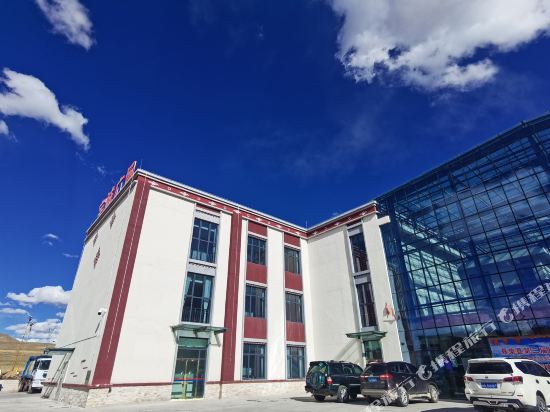
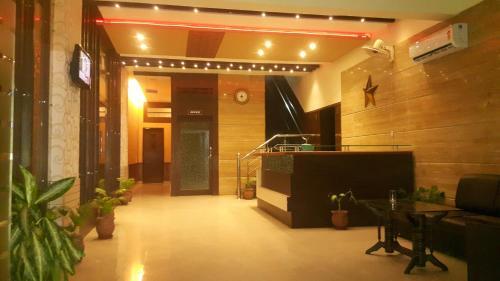
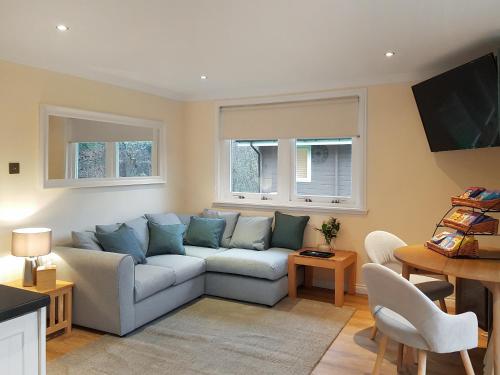
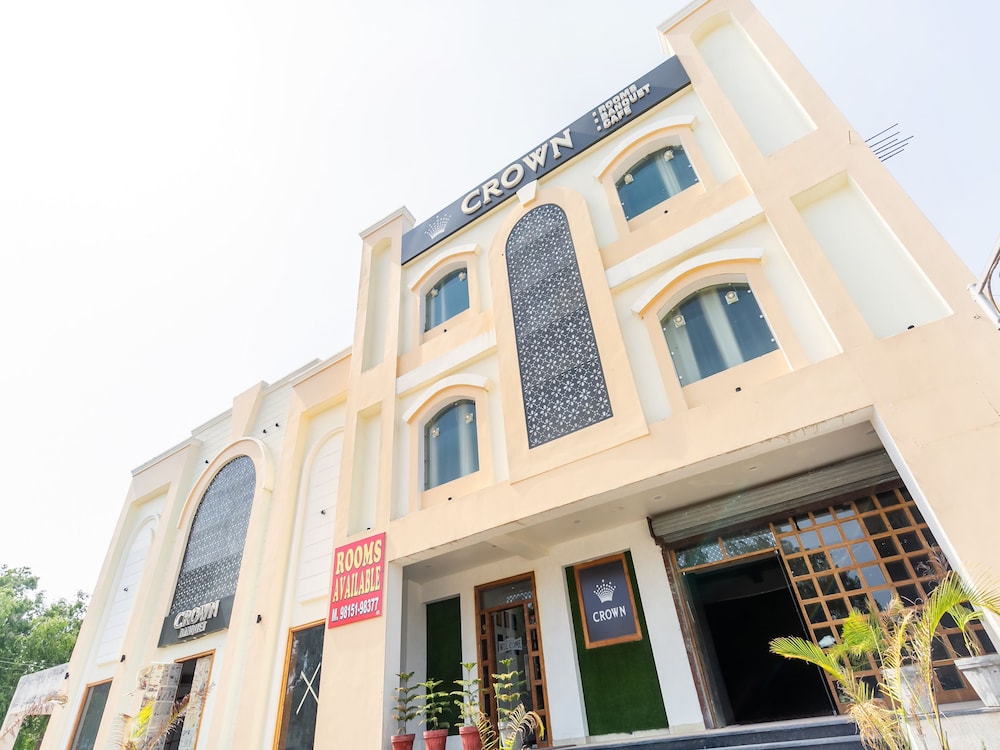
Every hotel we cover in Fatehgarh Sahib
Getting around Fatehgarh Sahib
No airport, small railway station with slow trains — the nearest useful rail hub is Sirhind Junction, 5km away, served by trains from Ambala and Ludhiana. Practical arrival: bus or taxi from Chandigarh (55km, ₹1,800), Patiala (30km, ₹1,000), or Ludhiana (60km, ₹2,000). Punjab Roadways buses from Chandigarh's ISBT Sector 43 run frequently and stop on GT Road near town. Buses from Sirhind town run every 15 minutes for about ₹15. Fatehgarh Sahib is often visited as a day-trip stop, not an overnight. Inside town everything is walkable or ₹30-50 by shared auto between the gurdwara complex and the bus stand.
Questions about Fatehgarh Sahib
December 25-28 approximately (dates vary by lunar calendar). The commemoration of the sahibzadas' martyrdom draws 500,000+ pilgrims. Attending is powerful but logistically difficult — book 3 months ahead, expect crowds and road closures. Off-mela visits are more comfortable if you just want to see the sites.
They’re neighboring towns, essentially merged now — Sirhind was the historical Mughal capital and Fatehgarh Sahib grew around the memorial. The railway station is officially Sirhind Junction; the gurdwara is in Fatehgarh Sahib. Locals use both names interchangeably.
Three to four hours covers the main gurdwara, Thanda Burj, Jyoti Sarup, Rauza Sharif and Aam Khas Bagh at an unhurried pace. Most travellers do it as a stop between Chandigarh and Patiala rather than a base. Add an hour if you plan to eat langar or linger at the Bhora Sahib chamber.
Yes — the martyrdom story is a significant piece of Punjab's history regardless of faith, and the Rauza Sharif Sufi shrine adds a second layer that has nothing to do with the Sikh narrative. Dress modestly, cover your head at the gurdwaras, and remove shoes at every shrine entrance. Non-Sikh visitors are welcomed and langar is open to everyone.


