Nangal
Riverside township at the base of Bhakra Nangal Dam — one of the tallest gravity dams in the world and Nehru's 'temple of modern India'.
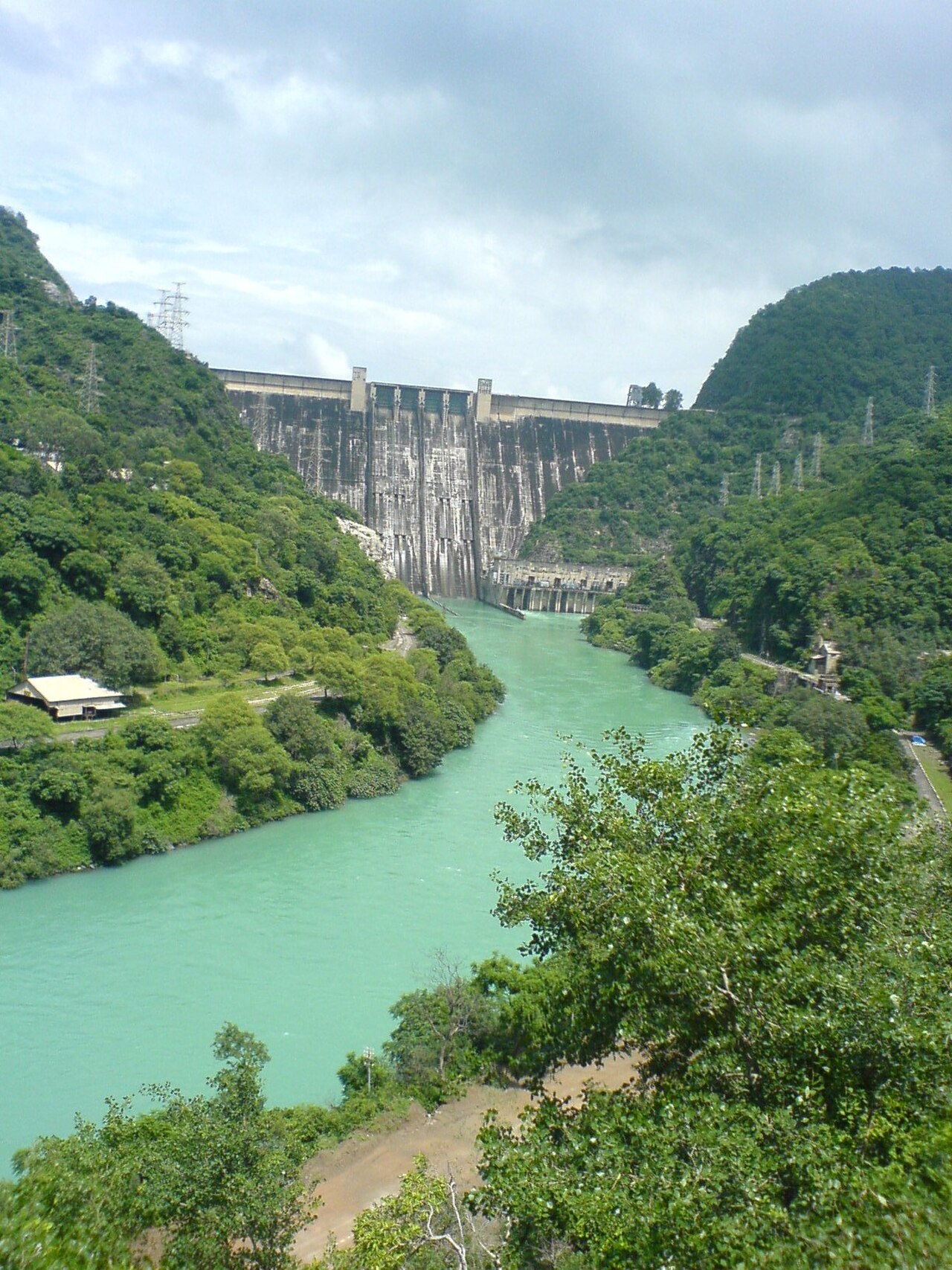 Bhakra Nangal dam wall on the Sutlej
Why people stay in Nangal
Nangal exists because of the dam. It was built in the 1950s and 60s as the accommodation township for engineers working on the Bhakra Nangal complex — the second-tallest concrete gravity dam in India, 226m high on the Sutlej. Nehru called it a 'temple of modern India' when he inaugurated it in 1963. The dam is 12km further at Bhakra and requires prior permission to visit; Nangal itself has the Nangal Dam (a smaller regulating dam), a lake, and a very ordered, sector-based layout unusual for Punjab.
By 9pm the town is quiet — Nangal was built for engineers, not nightlife. A few dhabas on the Rupnagar road stay open, serving dal makhani and tandoori rotis to shift workers from the BBMB colony, but the market street near the bus stand shuts its shutters by 9.30pm. Skip: expecting entertainment. Suits: engineering enthusiasts, dam-visit travelers, Anandpur Sahib day-trippers combining with Bhakra, foothill-region overnight stays. Skip if the dam permission process feels like too much hassle — you can see photos and skip the trip.
The township layout rewards a slow look even if the dam itself is off-limits without paperwork. Sectors 1 through 12 were planned with wide avenues, government housing blocks, and a central market unlike the organic old-town grids found elsewhere in Punjab — it reads more like Chandigarh's smaller, earlier cousin than a Punjabi mandi town. Cycle-rickshaws still outnumber autos on the inner sector roads, and the BBMB's institutional architecture — squat, functional, mid-century — is worth a photograph even if you never see the dam wall up close.
Locals treat Nangal as a working town first, a tourist stop second, and that shows in the pace: shops close for a long afternoon lull, the lake front is busiest around sunset when families walk the gardens, and nobody is selling souvenirs. That plainness is the appeal for the right traveler and the reason to move on quickly for anyone expecting a foothill resort town like Kasauli or Dharamshala.
Very limited — 3-4 mid-range hotels near the town center and lake, ₹2,400-4,400 a night in season, dropping to around ₹1,800 in the monsoon low months of July-August when humidity off the lake keeps visitor numbers down. The BBMB (Bhakra Beas Management Board) has a guesthouse that occasionally accepts civilians, ₹2,000-3,200, but booking needs advance calls and is unpredictable. Nothing luxury exists here and none should be expected. Homestays are starting to appear in nearby foothill villages toward Naina Devi, useful if you want quiet over convenience. Most travelers day-trip from Chandigarh (95km) or Anandpur Sahib (15km) rather than sleeping over. Budget lodges near the bus stand start from ₹1,200 — fine for a single night before an early dam visit, avoid if you need reliable hot water in winter. Book the lakefront mid-range options over the bus-stand lodges if comfort matters at all.
Things to do in Nangal

12km from Nangal — requires prior permission from BBMB office in Nangal or Chandigarh. Apply 2-3 weeks ahead with passport copies. The dam viewing gallery and museum are impressive. Photography restricted; leave cameras at the checkpost. Half day minimum. Entry is free once permission clears; open roughly 9am-5pm depending on season.

The smaller regulating dam right at Nangal town — no permission needed, freely accessible from 6am to 8pm. Boat rides ₹250, best late afternoon when the light softens over the water. The lake gardens are pleasant for a walk. Free entry.

Shakti Peeth on a hilltop 22km away, cable car ₹320 return. Free entry to the shrine, open 4am-11pm. Views over the Sutlej gorge are dramatic, especially at dawn before the crowds. Combine with Bhakra Dam in a single day trip.

15km away — the birthplace of the Khalsa (see Anandpur Sahib entry). Combining Nangal + Bhakra + Anandpur in a two-day loop is a good foothill circuit from Chandigarh. Buses run roughly every 20 minutes, ₹50 one way.

The Sector 6 market near the bus stand — small shops, tailors, a couple of old cinema-era signboards left from the township's engineering-era heyday. No entry fee, open shop hours roughly 10am-8pm. Good half hour if waiting for a bus connection.

Below the regulating dam, a footpath follows the Sutlej for about 20 minutes toward the old barrage. Free, no gate, best an hour before sunset when fishermen come out and the light over the gorge turns gold.
What to see
Hotels in Nangal
No hotels are listed in Nangal yet. The nearest ones are on the region page.
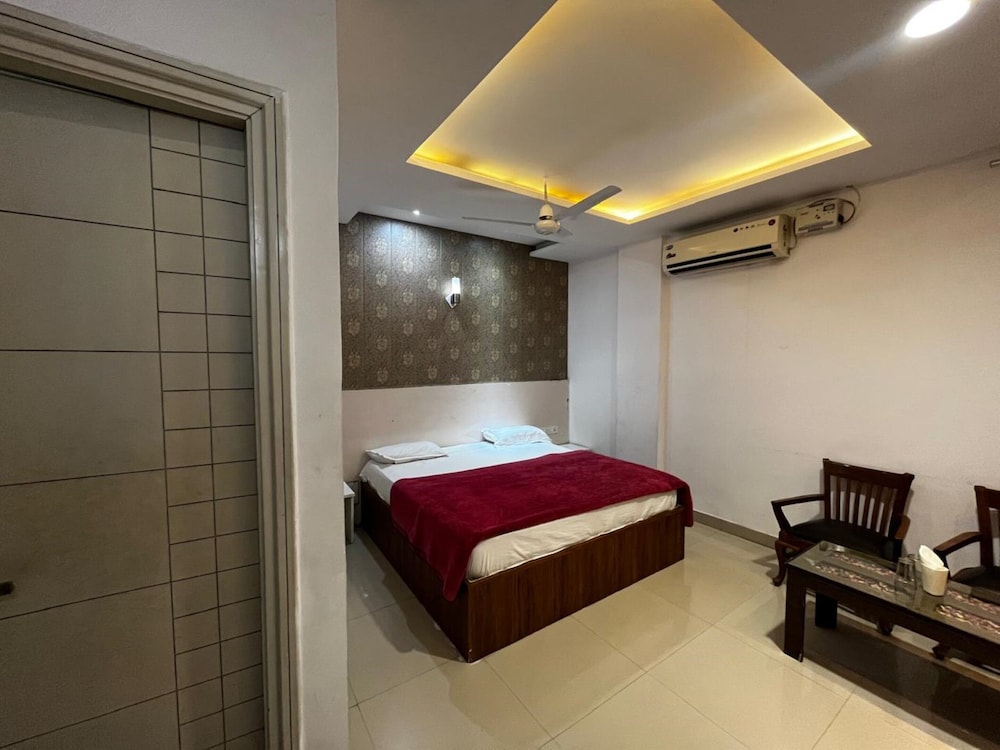
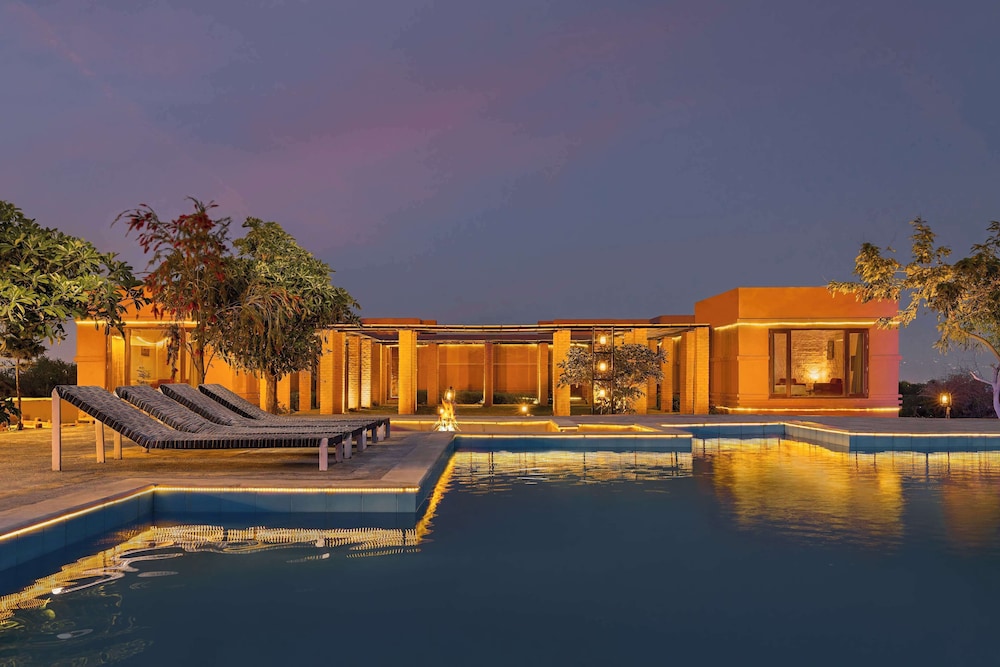
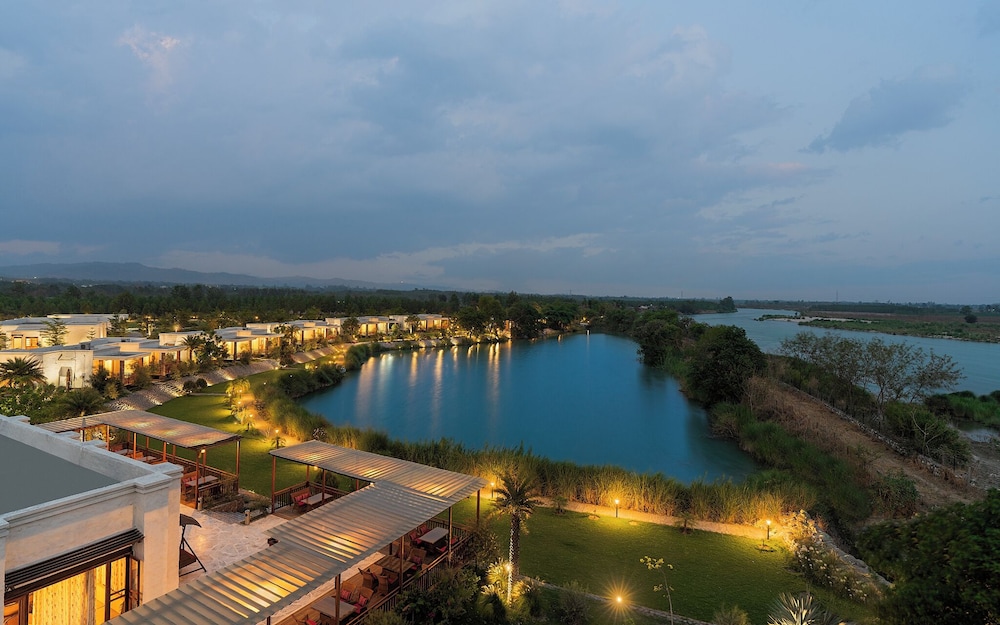
Every hotel we cover in Nangal
Getting around Nangal
No airport �� Chandigarh (95km, taxi ₹3,200) is closest, roughly two hours by road depending on Rupnagar-road traffic. Nangal Dam railway station has connections to Chandigarh and further; check schedules as trains are limited to a couple of daily services. Buses from Chandigarh ISBT go every hour, ₹250, 2.5 hours. From Anandpur Sahib buses run every 20 minutes, ₹50. Inside town autos cost around ₹80 for most trips and the town is small enough to walk between sights — the lake, market, and bus stand are all within 20 minutes on foot of each other.
Questions about Nangal
Apply through the BBMB (Bhakra Beas Management Board) office — the Nangal office is easier for foreign visitors than the Chandigarh one. Submit passport copies and dates 2-3 weeks ahead. Permission is generally granted but not guaranteed. Some tour operators can arrange faster access for a fee.
Day-trip from Chandigarh or Anandpur Sahib is enough — the town itself is not a destination. Overnight makes sense only if you have a dam visit planned for early morning or you’re using it as a base for a wider foothill circuit (Bhakra, Naina Devi, Anandpur Sahib) over two days.
Yes — the town's own Nangal Dam, lake, and gardens need no permission at all and are open daily. Many visitors skip the Bhakra paperwork entirely and still find the lakefront and township walk worth the stop. Only the main Bhakra Dam 12km away requires the BBMB clearance.
October through March is most comfortable, with clear views toward Naina Devi and cooler evenings for the lakefront walk. Summer (May-June) gets hot and dusty in the plains-facing part of town. Monsoon months bring the Sutlej up and can affect boat rides on the lake, so check locally before planning a boat trip then.


