Devi Talab Mandir
One of the 51 Shakti Peethas, built around a tank that has drawn pilgrims for 200 years.
 Devi Talab Mandir with its sacred tank and gopuram
What to expect at Devi Talab Mandir
Devi Talab Mandir sits at the heart of old Jalandhar and is counted among the 51 Shakti Peethas of the subcontinent — the places where parts of Sati's body are said to have fallen. The presiding deity is Tripurmalini, an aspect of Durga, and the temple takes its name from the ancient tank that occupies its centre and is said to have been in continuous use for more than two centuries. In 2010 a large-scale replica of the Vaishno Devi cave shrine and a Kailash Mansarovar-themed shrine were added, doubling the size of the complex. Local tradition names the attendant Bhairava here as Bhishan, and pilgrims who work through the Shakti Peetha circuit usually pair Jalandhar with Kangra and Chintpurni in the hills to the east. Come knowing that the sanctity is older than anything you will see: almost every visible structure has been rebuilt.
You enter from Devi Talab Road, cross a bridge over the tank, and reach the main sanctum which houses the goddess. The cave-shrine replica to the south recreates the tunnel-crawl of the Katra pilgrimage in miniature — narrow passages, low ceilings, and the same three pindis at the end. The complex is at its most spectacular during Navratri, when the whole tank is ringed with butter lamps and dhol players lead all-night jagrata sessions. On an ordinary day the rhythm is simpler: leave your shoes at the free counter just inside the east gate, walk the parikrama past the smaller shrines to Shiva and Kali that ring the courtyard, ring the bell, and take a few minutes on the bridge parapet where most locals simply sit. Arrive twenty minutes before the 20:00 aarti if you want a spot with a clear view of the sanctum doors.
Devi Talab pairs naturally with the Jalandhar Antique Bazaar and the Rangla Punjab Haveli for a full day in the city. Cover your head, and note that photography inside the sanctum is not allowed. The temple is walkable from the Model Town area; ten minutes by auto from Jalandhar Cantt or fifteen minutes from Jalandhar City station. Try the pinni sweets from the shops opposite the east gate on your way out — they are locally famous. The lane outside also sells chunnis, coconuts and marigold garlands, and the shops with rates chalked on a board are the ones to use. If you only have one slot in the day, make it the evening one: the tank throws the temple lights back at you and the courtyard fills with families rather than tour groups.
Getting here is straightforward and cheap. Devi Talab Road runs off the old-city grid south-east of Bhagat Singh Chowk, and every auto driver in Jalandhar knows the name — you do not need an address. From Jalandhar City railway station it is 3 km, about ₹60 to ₹80 by auto-rickshaw or ₹30 to ₹40 in a shared e-rickshaw, ten to fifteen minutes depending on the level crossing. From the main bus stand on GT Road it is roughly 2.5 km and ₹50. Long-distance, Jalandhar sits on NH-44 between Amritsar (80 km, about 1 h 45 by car) and Ludhiana (60 km, an hour), with frequent trains on the Delhi-Amritsar line; second-seating fares from either city start under ₹100. Skip driving your own car into the old city — the lanes are one-vehicle wide on temple evenings. Park at a lot on the approach road, typically ₹20 for a two-wheeler and ₹50 for a car, and walk the last two minutes.
The visit itself costs nothing. Entry, the bridge, the cave-shrine replica and the Kailash hall are all free, the shoe counter takes no charge, and there is no paid queue, no VIP darshan ticket and no camera fee — the only restriction is that you do not photograph inside the sanctum. What you actually spend goes on offerings and snacks. A basic prasad thali of batasha, sugar crystals and a coconut runs ₹50 to ₹100; a chunni for the goddess is ₹100 to ₹200; garlands ₹30 upward. Pinni from the shops opposite the east gate is sold by weight, usually ₹300 to ₹400 a kilo, and a quarter-kilo box travels well. Donation boxes stand near the sanctum and every rupee is voluntary. Carry ₹200 to ₹300 in small notes: the stalls are cash-first, and the men who approach you at the gate quoting ₹300 for a thali are quoting a visitor price.
Time it by the hour and by the month. The 05:00 to 07:00 window is the quiet one — cool marble, the 06:00 aarti, and perhaps thirty people in a courtyard that holds hundreds. Midday is empty but hard work in summer. From 18:00 the complex fills steadily to the 20:00 aarti, which is the best show of the day and also the busiest hour; Tuesdays and Sundays run heavier than midweek. Navratri, which the temple keeps in September or October, is spectacular and slow, with ashtami the peak — expect a queue of forty minutes to an hour for the sanctum. Late December brings the Harballabh Sangeet Sammelan, one of India's oldest Hindustani classical music gatherings, to the temple grounds over several nights. Best months are October to March; May and June push past 40°C and the paving burns bare feet, so go before 08:00 or after 19:00.
It suits more people than most pilgrimage sites because the walking is short and flat. Families do well: the whole circuit is twenty-five minutes, and children treat the cave replica as an adventure, though toddlers need carrying through the low sections. Wheelchair users can manage the courtyard, the bridge and the main sanctum approach on smooth marble, but the cave passage has steps and squeezes — take the signposted bypass rather than attempting it. Teenagers will be done in half an hour unless you time it for the aarti drums. On a wet afternoon most of the complex is covered, which makes it a genuine rainy-day option in a city short of them. And if you have a one-hour gap before a train from Jalandhar City, it fits: fifteen minutes each way by auto, twenty-five inside. Anyone hoping for silence and solitude should come at 05:30, not 20:00.
Fold it into a half-day in the old city. The antique and general bazaars around Devi Talab Road and Rainak Bazaar start five to ten minutes' walk from the east gate and are the most interesting thing within a stroll. Company Bagh, Jalandhar's colonial-era public garden, is about 2 km away, and the thirteenth-century Imam Nasir mosque sits in the same old-town quarter. Nikku Park and Wonderland on Nakodar Road, both around 4 to 5 km out, are for those travelling with children. Rangla Punjab Haveli, the themed dhaba-village on GT Road towards Ludhiana, is roughly 12 km and works as a dinner stop. Bigger day out: Pushpa Gujral Science City towards Kapurthala, about 30 km and 45 minutes, easily half a day on its own. For a base, Radisson Hotel Jalandhar and the older Savrupson Heritage Home both sit within a short auto ride of the temple.
The honest caveats. Almost everything you photograph here was built in the last fifteen years — the cave shrine, the Kailash hall and much of the surrounding masonry are painted concrete, so arriving expecting a two-hundred-year-old monument leads to disappointment; the antiquity is in the tank and the tradition, not the fabric. The cave crawl takes six to eight minutes and is a devotional facsimile, not a substitute for Katra, and in Navratri it becomes a shuffling human chain. The talab is a tank, not a bathing ghat: no dips, and by late summer the water can look green. Loudspeakers run loud at aarti. Parking and prasad touts both work the approach road and both quote high. Come for the 20:00 aarti, the lamps on the water and the pinni afterwards, and the hour will be well spent.
Questions about Devi Talab Mandir
No. Entry is free including the cave-shrine replica. There is no ticket counter, no camera fee, no charge for the shoe deposit and no paid fast-track queue — everyone joins the same line for the sanctum. Costs are voluntary: a prasad thali is ₹50 to ₹100, a chunni ₹100 to ₹200, garlands from ₹30, and pinni from the shops opposite the east gate ₹300 to ₹400 a kilo. Donation boxes stand near the sanctum. Ignore anyone at the gate quoting ₹300 for an offering plate.
All open hours, 05:00 to 22:00 daily. That covers both aartis, at 06:00 and 20:00, and the whole Navratri programme in September or October, when the tank is ringed with lamps and jagrata singers work through the night at no charge. The Harballabh Sangeet Sammelan on the temple grounds in late December is also open to listeners. Nothing inside the complex is ticketed at any hour, so the only real cost of an evening visit is the ₹60 to ₹80 auto fare each way.
About an hour, longer during Navratri. A straightforward circuit — bridge, sanctum, parikrama, cave replica, Kailash hall — takes twenty-five to thirty-five minutes, and the cave passage alone is six to eight minutes. Add twenty minutes if you want a front position before the 20:00 aarti, and allow up to two hours on Navratri ashtami, when the sanctum queue can run forty minutes to an hour. Ten minutes more for pinni and a look at the bazaar lanes just outside the east gate.
None — open every day. The temple keeps 05:00 to 22:00 through the year, including festivals, when it gets busier rather than shut. The sanctum doors close briefly around each aarti and during midday bhog, so a few minutes' wait is normal rather than a closure. The practical limits are weather, not hours: May and June push past 40°C and the marble burns bare feet, so plan for before 08:00 or after 19:00, and expect thick winter fog on December and January mornings.
Not required. There is no online pass, no timed entry and no registration desk — walk in from Devi Talab Road at any hour between 05:00 and 22:00. Even on Navratri ashtami you simply join the queue. The only thing worth planning ahead is where you sleep if you are coming for the festival nights: Jalandhar hotel rooms tighten during Navratri and again around the late-December music gathering, so book a week or two out. Carry cash for autos and offerings; card acceptance around the temple is patchy.
Jalandhar City railway station, 3 km away. An auto costs ₹60 to ₹80 and takes ten to fifteen minutes; a shared e-rickshaw is ₹30 to ₹40. Jalandhar Cantt is the other option, roughly ten minutes by auto. The main bus stand on GT Road is about 2.5 km and ₹50. Trains run frequently from Amritsar (80 km, about 1 h 30) and Ludhiana (60 km, an hour), with second-seating fares under ₹100. Do not drive into the old-city lanes on an aarti evening — park on the approach road for ₹20 to ₹50 and walk.
Hotels near Devi Talab Mandir
Every hotel we cover in Jalandhar
- Fortune Avenue Jalandhar Member ITC Hotels' Group 4★ · 4.5/5 · 0.1 km away
- Hotel Aman’s Inn 1★ · 0.4 km away
- Bloom Hotel Jalandhar 3★ · 0.4 km away
- WEST COTTAS HOTEL Couples Family Corporate Favorite in Heart of Jalandhar 2★ · 0.6 km away
- Ramada Encore by Wyndham Jalandhar 4★ · 4.2/5 · 0.6 km away
- OYO 15134 Hotel Downtown 3★ · 5/5 · 0.7 km away
- OYO 9985 Hotel Sekhon Grand 3★ · 3.7/5 · 0.8 km away
- OYO 9985 Hotel Sekhon Grand 3★ · 0.8 km away
- Leo Fort Hotel 4★ · 0.8 km away
- OYO 28476 Jalandhar Guest House 3★ · 0.8 km away
- Ramada by Wyndham Jalandhar City Center 4★ · 4.2/5 · 0.8 km away
- Time Square Guest House 1★ · 0.8 km away
- OYO 3264 Hotel Ranvir Prime 3★ · 3.5/5 · 0.8 km away
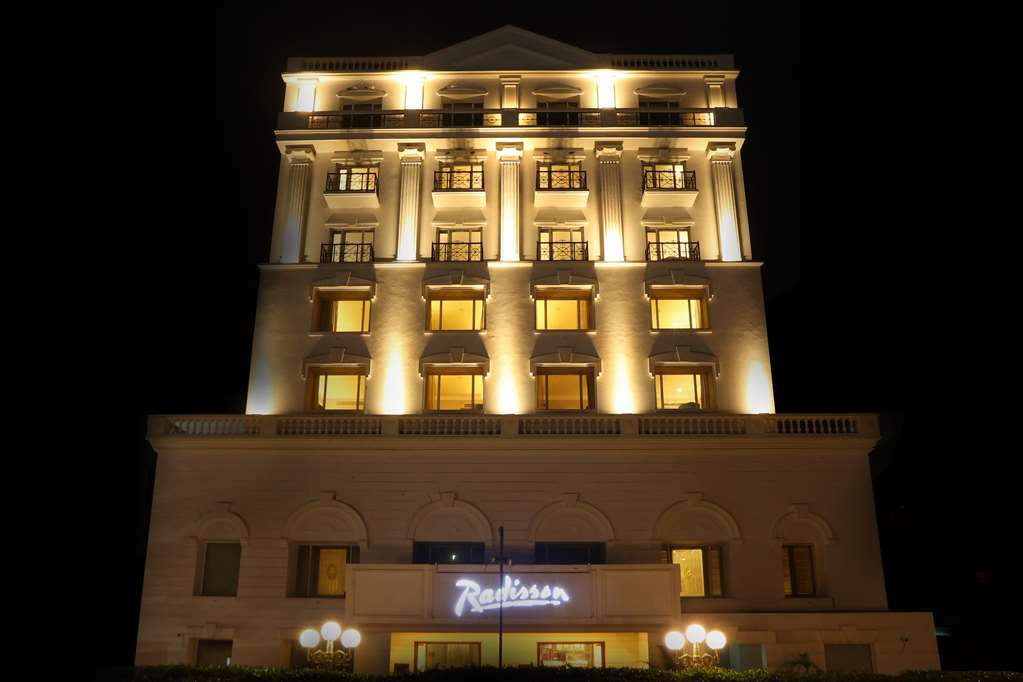
- Radisson Hotel Jalandhar 5★ · 4.3/5 · 0.9 km away
- Shangri La 3★ · 0.9 km away
- Oyo 11595 Hotel Roxy 2★ · 3.7/5 · 0.9 km away
- Hotel O Inder Inn 4★ · 0.9 km away
- The City Hub Hotel & Restaurant 2★ · 0.9 km away
- Hotel Taramount 2★ · 0.9 km away
- Hotel Hotel Arneja 2★ · 3.6/5 · 0.9 km away
- Hotel Plaza by OYO Rooms 3★ · 0.9 km away
- OYO 10604 Hotel Arneja 2★ · 0.9 km away
- Hotel Centrepoint 3★ · 4.5/5 · 0.9 km away
- Hotel Westend 3★ · 4.3/5 · 1 km away
More things to do
All things to do


From the journal
All posts Comparisons & rankings
Hotels with pools in Punjab, ranked
Comparisons & rankings
Hotels with pools in Punjab, ranked
A working shortlist of 9 hotels across Amritsar, Chandigarh, Ludhiana and Mohali where the pool is genuinely usable — not a puddle behind the generator shed.
 Comparisons & rankings
Family-friendly hotels in Punjab, ranked
Comparisons & rankings
Family-friendly hotels in Punjab, ranked
Ten hotels across the state where kids under 10 will not lose their minds and parents will not either — with real notes on pools, kids' menus, and connecting rooms.
 Comparisons & rankings
Family hotels in Amritsar: which belt to book by your kids' ages
Comparisons & rankings
Family hotels in Amritsar: which belt to book by your kids' ages
Amritsar’s family rooms cluster in three belts — Ranjit Avenue near the malls, the Golden Temple walk, and the Airport Road pools — and the right one depends on how old your kids are.