Takht Sri Kesgarh Sahib
The birthplace of the Khalsa, one of the five supreme seats of Sikh authority.
 White domes of Takht Sri Kesgarh Sahib rising over Anandpur Sahib
What to expect at Takht Sri Kesgarh Sahib
Takht Sri Kesgarh Sahib stands on the small hill in Anandpur Sahib where Guru Gobind Singh founded the Khalsa in 1699, initiating the Panj Pyare and giving the Sikhs their distinct identity. As one of the five Takhts — the temporal seats of Sikh authority — it carries a weight most Indian gurdwaras cannot match, and every March the Hola Mohalla festival turns the surrounding fields into a sea of blue-turbaned Nihang warriors on horseback. The white marble complex sits high above the Sutlej plain with the Shivalik foothills stacked behind it. Three of the five Takhts sit in Punjab — Akal Takht at Amritsar, Damdama Sahib at Talwandi Sabo and this hill — while Patna Sahib in Bihar and Hazur Sahib at Nanded in Maharashtra lie outside the state, each under its own Jathedar. Anandpur was founded by Guru Tegh Bahadur in 1665, and if you have time for one stop in town, make it this one.
Inside the main hall the historic weapons of Guru Gobind Singh are displayed in glass cases behind the sanctum: the khanda used at the first Amrit Sanchar, a katar, a chakram and several arrows. Pilgrims climb the marble steps barefoot, take darshan, then circle out onto the terrace where the view runs across the Naina Devi ridge. A small museum by the langar hall walks through the story of the tenth Guru, and Gurdwara Anandgarh Sahib and Virasat-e-Khalsa are both a short walk downhill. The sequence at the gate is fixed and quick: leave footwear at the jorha ghar, wash your feet in the shallow water channel, cover your head, pass the metal detector. Kirtan runs almost continuously from the darbar, and a counter to one side hands over karah parshad against a cash donation from about ₹10. Buy the parshad token before you join the darshan line rather than after, or you will queue twice.
The best time to visit is early morning when the marble is still cool underfoot, or during Hola Mohalla in March if you can handle crowds of a quarter-million pilgrims. Modest dress and a head covering are required; scarves are provided at the entrance. Leave shoes at the free stand outside the security gate. Combine with Virasat-e-Khalsa across the ravine for a full half day, and eat at the langar rather than searching for a restaurant — the kadhi is famous. Tobacco and alcohol may not be carried onto the premises at all, and phones should be silenced inside the darbar; photograph the terrace and the domes freely, but keep the camera down in front of the Guru Granth Sahib and the weapons cases. Sit for ten minutes on the parikrama before leaving — the acoustics of the hill are half the reason people come back.
Getting here is easiest from Chandigarh, 85 km south-east: Punjab Roadways and PRTC buses leave through the day from ISBT Sector 43 (a few from ISBT-17) via Kharar, Kurali, Rupnagar and Kiratpur Sahib on NH-205, take two and a half to three hours and cost roughly ₹130-170 in an ordinary bus. From Ludhiana it is about 120 km via Samrala and Rupnagar. Trains reach Anandpur Sahib station on the Nangal Dam-Una branch, including the Himachal Express and the Una Janshatabdi from Delhi and Ambala; unreserved fares from Chandigarh run well under ₹100. From the station an autorickshaw or e-rickshaw to the base of the hill is ₹30-50, or it is a flat twenty-minute walk. A return taxi from Chandigarh for the day is ₹3,000-4,000. Take the train if you are coming from Delhi or Chandigarh, and drive only if you are adding Bhakra or Naina Devi.
There is nothing to pay. Entry, the loaned head-scarf, the shoe stand and the langar are all free, and no ticket, pass or priority queue exists at any hour. The only money you will spend inside is voluntary: notes dropped in the golak in front of the Guru Granth Sahib, and ₹10-50 for a karah parshad token. Car parking on the lots below the hill is free or a nominal ₹20-50 depending on the lot and the day. Carry small cash — there are no card machines in the complex, and the bazaar dhabas below charge ₹30-60 for chai and parathas if you want a second breakfast. Gurdwara sarai rooms in town, when available, are donation-based and basic; modest hotels in Anandpur Sahib run around ₹1,200-2,500 a night, and serious comfort means basing in the Chandigarh belt, at somewhere like The Oberoi Sukhvilas Spa Resort New Chandigarh or the Zirakpur cluster.
Hour by hour, the quiet windows are 06:00-08:30 and 14:00-16:30; Sunday mornings and public holidays fill the darbar and put a 20-30 minute shuffle in the darshan line. The doors open at 04:00 for early kirtan, Rehras Sahib is read around 18:30 with the lamps on the domes lit, and the hall empties gradually until closing at 22:00. Month by month, December to February is the best weather at roughly 5-20°C, with clear Shivalik views. May and June hit 42°C and the barefoot marble genuinely burns — come before 08:00 or after 18:00 or not at all. July to September brings green hills and slippery steps. Hola Mohalla, the day after Holi in March, and Baisakhi on 13-14 April are the two great set-pieces, the second with Amrit Sanchar ceremonies. Pick a winter weekday morning unless you specifically want the festival crush.
Families do well here: the langar feeds children free at any hour, the courtyard is open enough for them to move, and nobody minds a restless toddler. Wheelchair users and anyone with bad knees should know the main hall sits at the top of a flight of marble steps — ask an autorickshaw to take you round to the upper approach road rather than dropping you at the foot of the stairs, and expect to need a companion. Teenagers who yawn at gurdwaras generally wake up inside Virasat-e-Khalsa instead. On a wet afternoon the parikrama is exposed, so stay inside the covered darbar or move to the museum. With a one-hour gap before a train, 45 minutes is enough for shoes, darshan, the weapons cases and the terrace, then a ₹30 auto back to the station. Anyone expecting an interpreted heritage site with guides and signage should reset: this is a working Takht.
Fold in the rest of Anandpur on the same half-day. Virasat-e-Khalsa, Moshe Safdie's ridge-top museum of Sikh history, is a 10-15 minute walk downhill across the ravine, free to enter, open around 10:00-18:00 and closed on Mondays — allow two hours and expect long weekend queues at the ramp entrance. Gurdwara Sisganj Sahib, where Guru Tegh Bahadur's head was cremated, is a kilometre away in the bazaar; Gurdwara Anandgarh Sahib with its old baoli is a similar walk, and the ruined forts of Lohgarh and Holgarh sit on the town's edges. Kiratpur Sahib and Gurdwara Patalpuri Sahib are 10 km south on the highway. Naina Devi temple, 25-30 km away with its ropeway, is across the border in Himachal Pradesh, not Punjab. Do Kesgarh Sahib, Virasat-e-Khalsa and Anandgarh Sahib in one morning and leave the forts for a second visit.
Two honest caveats. The weapons display is genuinely moving but genuinely small — a handful of glass cases you will see over other people's shoulders in about five minutes, not a museum-scale armoury, and visitors who build a trip around it come away flat. And Hola Mohalla is magnificent to watch and miserable to organise: traffic is sealed off kilometres out, every room in town is gone weeks ahead, sanitation is temporary and the Nihang gatka and tent-pegging at the Charan Ganga grounds run to their own schedule rather than a printed one. The hill itself is a modest rise, not a mountain — the terrace view is lovely, not alpine. There is little English signage and no official guide service, so read up before you climb. Come on an ordinary winter morning and the place gives you far more than it does in the festival scrum.
Questions about Takht Sri Kesgarh Sahib
Nothing. Entry, head-covering, langar and shoe stand are all free. There is no ticket counter, no camera fee and no foreigner rate. The only money that changes hands inside is voluntary: what you place in the golak, and roughly ₹10-50 for a karah parshad token at the counter beside the darbar. Parking below the hill is free or a nominal ₹20-50. Carry small notes, because no part of the complex takes cards, and ignore anyone soliciting a fee outside the gate — the Takht itself never charges.
Always — the Takht is free at all times, 04:00 to 22:00 daily. There is no premium slot, no paid queue-jump and no separate darshan line you can buy into, at Hola Mohalla or any other day. Langar is served free from 06:00 to 22:00, kirtan runs through most of the day, and Rehras Sahib is read around 18:30. The practical difference between hours is crowding, not cost: 06:00-08:30 and 14:00-16:30 are the calm stretches, Sunday mid-morning the busiest.
About two hours for darshan, the weapons display and the terrace views. Budget roughly ten minutes for shoes, foot-wash and security, ten to thirty in the darshan line depending on the day, five at the weapons cases, twenty on the parikrama terrace and half an hour for langar. Rushed, with a train to catch, 45 minutes covers the essentials. Add two hours for Virasat-e-Khalsa downhill and a further half hour for Gurdwara Anandgarh Sahib and you have a comfortable half-day in Anandpur Sahib.
No, it is open every day of the year from 4am to 10pm. There is no weekly closing day, no seasonal shutdown and no midday break; the doors shut only after the evening sukhasan at 22:00 and reopen at 04:00. The closure that catches people out is next door: Virasat-e-Khalsa is closed on Mondays and runs roughly 10:00-18:00, so a Monday trip means the Takht, the forts and the town gurdwaras only. During Hola Mohalla access routes and parking shift, but the Takht itself stays open.
No booking required at any time, including during Hola Mohalla. You simply arrive, leave your shoes and walk in — there is no registration, no timed entry and no permit for foreign visitors. What you should book is a bed: hotel rooms and sarai space in Anandpur Sahib disappear weeks ahead of Hola Mohalla in March and Baisakhi in mid-April, and gurdwara accommodation is first-come rather than reservable. Leave it late and you will be commuting from Rupnagar, 40 km away, or Chandigarh at 85 km.
Anandpur Sahib railway station is 1.5 km away; autos and e-rickshaws run to the base of the hill for ₹30-50, or it is a twenty-minute walk. Trains on the Nangal Dam-Una branch, including the Himachal Express and the Una Janshatabdi, serve the station from Delhi, Ambala and Chandigarh. By road it is 85 km from Chandigarh on NH-205 via Kurali, Rupnagar and Kiratpur Sahib — buses from ISBT Sector 43 take about three hours for ₹130-170, and a return taxi runs ₹3,000-4,000.
Hotels near Takht Sri Kesgarh Sahib
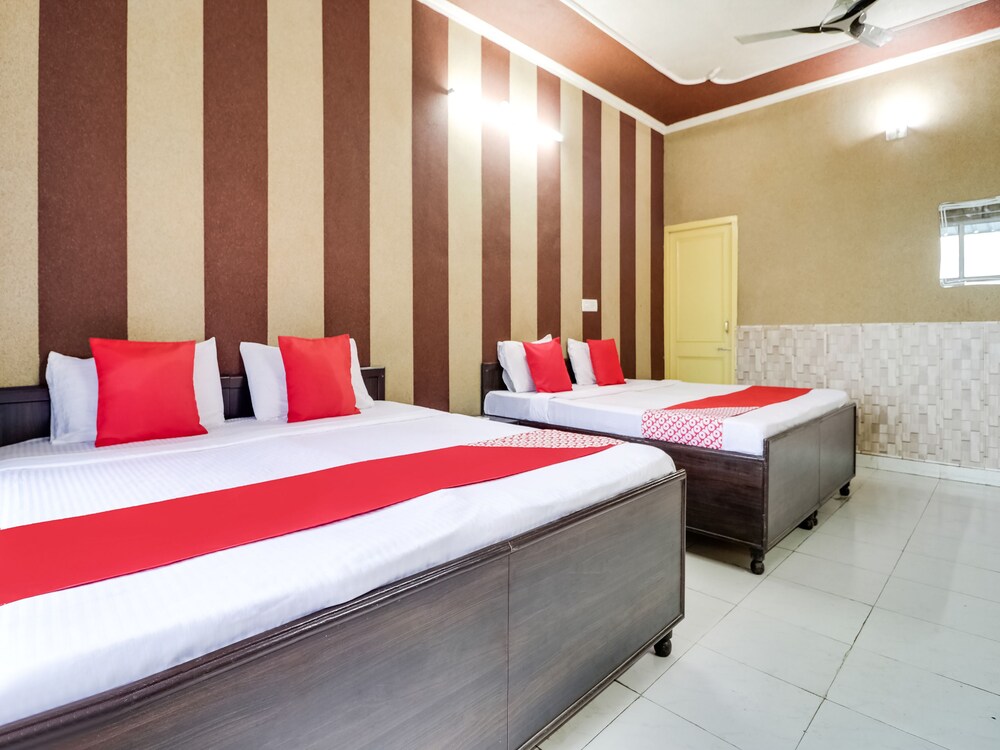
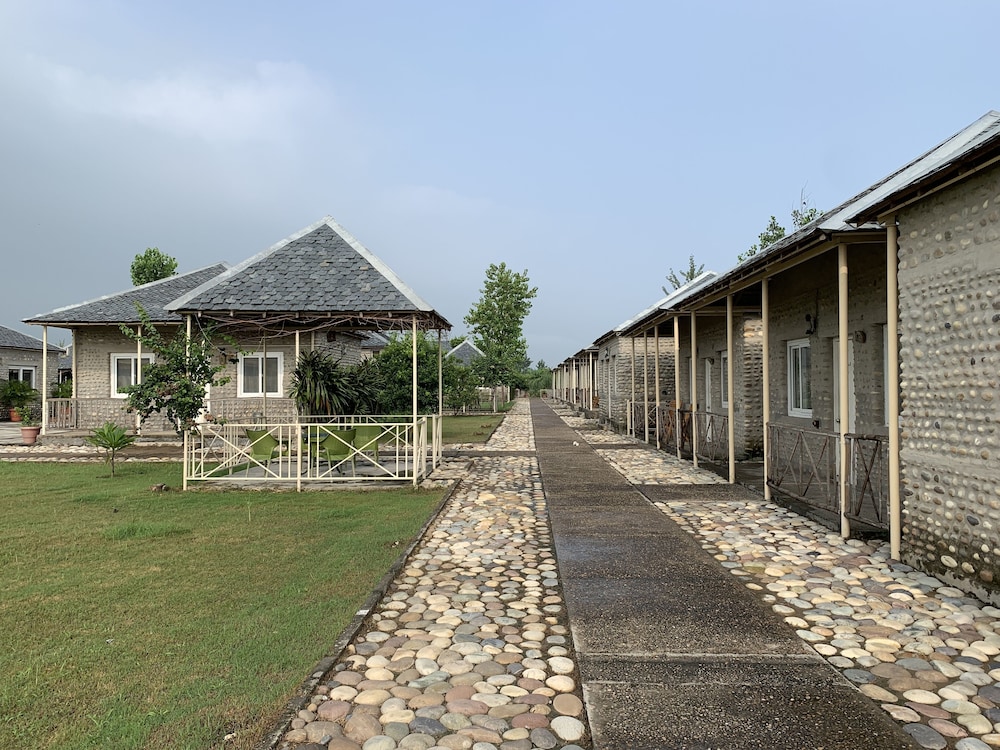
Every hotel we cover in Anandpur Sahib
- Hotel Holy City Paradise Inn 2★ · 3.7/5 · 0.4 km away
- The Regent Hotel 2★ · 0.4 km away
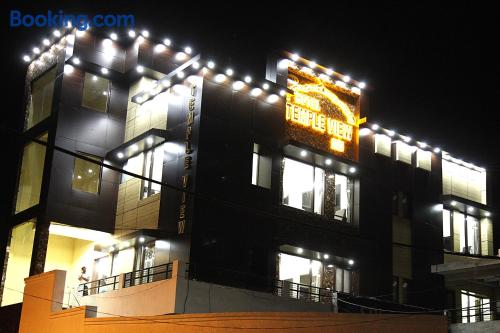
- Hotel temple view inn 3★ · 4.5/5 · 0.5 km away
- Oyo 46131 Hotel Arora 3★ · 3.7/5 · 0.9 km away
- Hotel White City 2★ · 1.1 km away
- Hotel Heritage Lodge 2★ · 1.1 km away
- Anand at the Satluj 3★ · 1.1 km away
- OYO 39889 Palace Plaza 2★ · 4.2/5 · 1.6 km away
- The Kikar Lodge 3★ · 14 km away
- Amritara Olive Trotter 3★ · 17 km away
- Fabhotel Lime Wood 3★ · 4.5/5 · 59 km away
- Casa Bonita A Beautiful Stay 73 km away
- Elegance Beyond Ordinary Stays 73 km away
- King Cliff Muktsar 4★ · 206 km away
- The Metropolitan Hotel and Spa New Delhi 5★ · 4.2/5 · 298 km away
More things to do
All things to do


From the journal
All posts Comparisons & rankings
Hotels with pools in Punjab, ranked
Comparisons & rankings
Hotels with pools in Punjab, ranked
A working shortlist of 9 hotels across Amritsar, Chandigarh, Ludhiana and Mohali where the pool is genuinely usable — not a puddle behind the generator shed.
 Comparisons & rankings
Family-friendly hotels in Punjab, ranked
Comparisons & rankings
Family-friendly hotels in Punjab, ranked
Ten hotels across the state where kids under 10 will not lose their minds and parents will not either — with real notes on pools, kids' menus, and connecting rooms.
 Comparisons & rankings
Family hotels in Amritsar: which belt to book by your kids' ages
Comparisons & rankings
Family hotels in Amritsar: which belt to book by your kids' ages
Amritsar’s family rooms cluster in three belts — Ranjit Avenue near the malls, the Golden Temple walk, and the Airport Road pools — and the right one depends on how old your kids are.