Durgiana Temple
Amritsar's silver-doored Hindu answer to the Golden Temple, floating on its own sacred tank.
 Silver doors and golden dome of Durgiana Temple reflected in its tank
What to expect at Durgiana Temple
Durgiana Temple, sometimes called the Lakshmi Narayan Temple, is a Hindu shrine built in the early 1920s to a plan that consciously echoes the Golden Temple — a marble causeway leading to a domed sanctum in the middle of a tank, four entrances on the cardinal points, and the same reflective quiet. The presiding deities are Durga, Lakshmi and Vishnu, and the enormous silver-plated doors of the entrance mandapa are the temple's signature. Locals often visit both temples on the same day, and for many Amritsar residents Durgiana is the family shrine rather than the tourist ticked box. The foundation stone was laid in 1921 by Madan Mohan Malaviya, the founder of Banaras Hindu University, on the site of an older Durga shrine, and the rebuild was driven by the Amritsar philanthropist Harsai Mal Kapoor. Treat it as a twentieth-century civic statement rather than an ancient ruin and it makes far more sense.
You enter through Hanuman gate, cross the causeway over the sarovar and take darshan in the marble sanctum, where the priest hands out prasad of sweet boondi. A separate hall on the west side houses the shivling, and small shrines to Sita and Rama occupy the corners. During Navratri in October the entire complex is strung with lights and the queue can wrap twice around the tank; on a normal weekday you can walk the parikrama in fifteen minutes with only a handful of pilgrims for company. Do not leave without stepping into the Bada Hanuman Mandir in the same compound, where devotees tie red threads to the grille and Tuesdays and Saturdays bring a steady flow of families; there is also a small Shitla Mata shrine on the north side. Fifteen minutes at those two adds the local texture the main sanctum alone will not give you.
The temple pairs naturally with the Golden Temple which is only a kilometre away; many visitors do Durgiana in the morning and Harmandir Sahib at night, or the other way round. Dress modestly and cover your head, though the rule is enforced more loosely than at the Sikh shrines. Leather items are not allowed inside — check them at the free counter by the shoe stand. The Hall Bazaar for papad, warian and phulkari embroidery is a five-minute walk east. Belts and wallets count as leather, so pack a cloth bag rather than argue at the counter. Scarves are sold for around ₹50 by the stalls at the gate if you forget one. Phones are fine on the parikrama and around the tank, where the reflection shot works best, but put the camera away at the sanctum threshold and follow whatever the attendant on duty says.
Getting there is short and cheap from almost anywhere in central Amritsar. Amritsar Junction railway station is the anchor at roughly a kilometre north-east: a 12 to 15 minute walk down past Lohgarh Gate, or an e-rickshaw from the station forecourt for ₹20 to ₹30 shared and ₹50 or so if you take the whole vehicle. From the Golden Temple, walking through Hall Bazaar and Lohgarh Chowk takes 20 to 25 minutes; an auto covers it for ₹60 to ₹80 once you have refused the first quote. The red Amritsar Metro Bus Service buses run the GT Road corridor between the ISBT and the airport for ₹10 to ₹25 — get off near Bhandari Bridge and walk in. Sri Guru Ram Das Jee International Airport is about 11 km out, 30 to 40 minutes by taxi for ₹600 to ₹800. Driving in during Navratri is a mistake; park near the station instead.
It costs nothing. There is no ticket counter, no camera fee and no separate charge for the shoe and cloakroom stand, and the boondi prasad handed over at the sanctum is free too. The only money you will actually spend is voluntary: a packet of prasad, marigold garlands or a coconut from the stalls at the gate runs ₹20 to ₹100, a chunni about ₹50, and there are donation boxes on the causeway where ₹10 is as welcome as ₹500. Ignore anyone offering paid special darshan or priority entry — no such tier exists here, even during Navratri. You do not need a guide either; the licensed guides who work the Golden Temple ask ₹500 to ₹1,500 for a half-day and there is nothing at Durgiana that a ten-minute read does not cover. A tip of ₹10 or ₹20 at the shoe stand is normal courtesy, nothing more.
Timing decides how the place feels. The 05:30 aarti draws mostly regulars, and the window from 06:00 to about 08:00 is the best of the day — cool marble underfoot, low sun on the silver doors, room to sit on the parikrama. Midday empties out but from April to June the white marble is genuinely painful barefoot by 11:00, so carry socks or come after 18:00. The 19:30 aarti is the fullest and the most atmospheric, with lamps reflected off the tank. Tuesdays and Saturdays add crowds at the Hanuman shrine. Across the year, October to March is the comfortable season; December and January mornings can be fogbound until 09:00, and July to September monsoon rain leaves the causeway slick. Both Navratris — Chaitra in March or April, Ashwin in September or October — bring ten days of queues and, at the adjoining Hanuman temple, the Langoor Mela, when children come dressed as langoors.
It suits almost everyone with an hour to spare, and it is unusually kind to awkward itineraries. Families do well here: the open courtyard lets children roam, the visit takes 45 minutes and nobody minds noise. Wheelchair users will find the courtyard and the causeway flat and wide, with a kerbside drop-off at the main gate, though there are a couple of steps at the sanctum door where you will need a hand. Teenagers who have already done Harmandir Sahib may be finished in 20 minutes, and that is fine. With a train to catch, this is the single best sight in Amritsar to fill a one-hour gap — 15 minutes' walk from Amritsar Junction each way and no ticket queue at either end. On a wet afternoon, though, skip it: the complex is mostly open-air and the mandapa is the only real shelter.
Fold it into a half-day on foot. Hall Bazaar starts five minutes east for papad, warian, phulkari and cloth, and running through it brings you in 10 to 12 minutes to Town Hall, where the Partition Museum occupies the old colonial building and Bharawan Da Dhaba and Kesar Da Dhaba sit within a few minutes of each other for thali, dal and lassi. Jallianwala Bagh and the Golden Temple are another five minutes on from there, both free. Gobindgarh Fort is about 2 km south-west on the Bhandari Bridge side, ticketed from around ₹100, and the Ram Bagh gardens with the Maharaja Ranjit Singh summer palace museum lie 2.5 km north. For a base within walking distance, Hotel Ritz Plaza on Mall Road and Best Western Merrion near the Golden Temple both put you inside this loop; Taj Swarna Amritsar and Hyatt Regency Amritsar Hotel & Spa sit further out on the airport side.
The honest caveats are worth hearing first. Guidebooks and taxi drivers sell this as the Silver Temple or the Hindu Golden Temple, which primes people for gilded acreage; the dome is gilded and the doors are handsome silver-plated repoussé work, not solid silver, and the whole complex is a fraction of the scale of Harmandir Sahib. The surrounding streets carry heavy traffic right up to the gate, so the deep hush of the Golden Temple parikrama is simply not reproduced here. It is a 1920s building, so anyone hunting antiquity will leave flat. There is no large langar hall — do not plan lunch on site. During Navratri the queue realistically runs 45 to 90 minutes even late in the evening, longer than most listings admit. Come for the reflection, the aarti and the neighbourhood feel, keep it to an hour, and it repays the walk.
Questions about Durgiana Temple
No. Entry, prasad and shoe stand are all free. There is no ticket counter, no camera charge and no foreigner rate, and the boondi prasad from the sanctum costs nothing. Spending is voluntary: garlands, a coconut or a packet of prasad from the gate stalls run ₹20 to ₹100, a head scarf about ₹50, and donation boxes sit along the causeway. Refuse anyone selling special darshan or priority entry — no paid tier exists, even during Navratri. A ₹10 tip at the shoe stand is the only expected courtesy.
The whole day is free; the temple is open 06:00-22:00. Because nothing is ticketed there is no cheap window to aim for, only a comfortable one: 06:00 to 08:00 is coolest and emptiest, and the 19:30 aarti is the busiest and most atmospheric. From April to June the marble burns bare feet between 11:00 and 16:00, so carry socks or shift to the evening. December and January mornings are often fogbound until about 09:00, which delays the light on the silver doors without changing the cost.
About an hour, longer during festivals. Fifteen minutes covers the causeway and sanctum, another fifteen the full parikrama around the sarovar, and fifteen more the Bada Hanuman Mandir and the Shitla Mata shrine in the same compound. Add 20 minutes if you sit through an aarti. During either Navratri, budget 90 minutes to two hours because the darshan queue alone runs 45 to 90 minutes. With a train to catch, 40 minutes here plus 15 minutes' walk each way to Amritsar Junction fits a 90-minute gap.
None — it opens every day of the year. There is no weekly closing, no seasonal shutdown and no maintenance break, and hours stay at 06:00 to 22:00 through summer and winter alike. During Chaitra Navratri in March or April and Ashwin Navratri in September or October the complex stays open later than 22:00 and the lights remain on well into the night. The sanctum itself closes briefly during the 05:30 and 19:30 aartis, when you watch rather than file past; the parikrama and the tank stay accessible throughout.
No booking required. There is no ticket, no online slot, no timed entry and no guest list, so you simply walk in through Hanuman gate and join whoever is there. Nothing bookable exists on site — the aartis at 05:30 and 19:30 are open to all comers, and the free shoe and cloakroom counter takes bags on arrival. Leather belts, wallets and shoes must be left there. The only thing worth planning ahead is a scarf for your head and socks in summer for the hot marble.
Amritsar Junction railway station is 1 km away; walk, auto or e-rickshaw. The walk takes 12 to 15 minutes past Lohgarh Gate; an e-rickshaw from the station forecourt is ₹20 to ₹30 shared or about ₹50 hired. From the Golden Temple it is 20 to 25 minutes on foot through Hall Bazaar, or ₹60 to ₹80 by auto. Red Amritsar Metro Bus Service buses run the GT Road corridor for ₹10 to ₹25; alight near Bhandari Bridge. The airport is 11 km out, ₹600 to ₹800 by taxi. Avoid driving during Navratri.
Hotels near Durgiana Temple

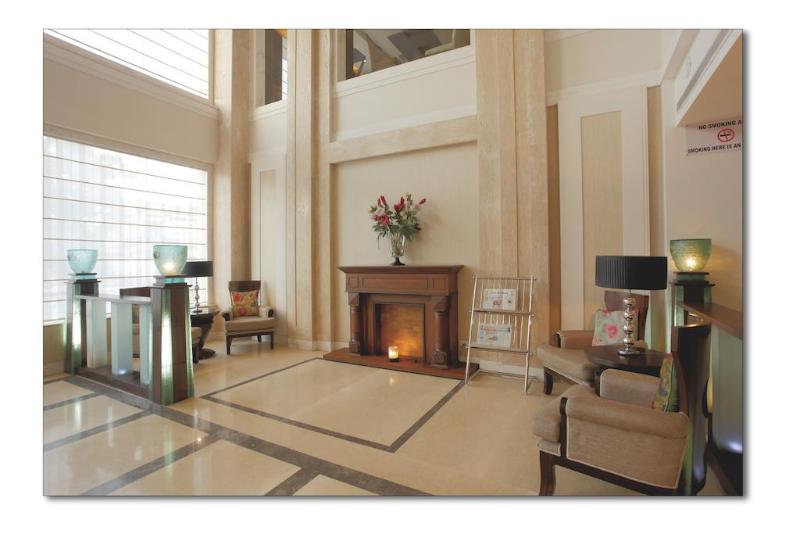
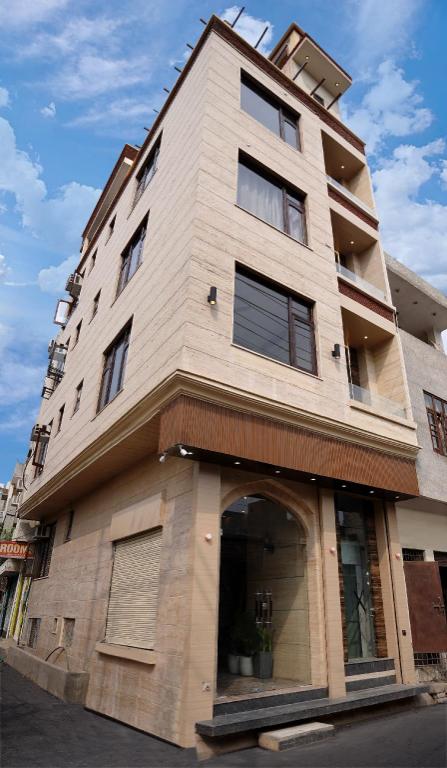
Every hotel we cover in Amritsar
- Vasu guest house 0.5 km away
- Oyo 39759 Kesari Root 3★ · 3.7/5 · 0.6 km away
- Kesari root 0.6 km away
- Hotel Holiday Dreamz 3★ · 0.6 km away
- Goroomgo Shree Krishna Hotels Amritsar 2★ · 4.7/5 · 0.6 km away
- JM Residency 3★ · 0.6 km away
- Goroomgo Shiva residency Amritsar 2★ · 0.6 km away
- OYO 19034 Shree Vishnu Residency 2★ · 3.9/5 · 0.6 km away
- Fabhotel Lohgarh Inn 3★ · 0.6 km away
- OYO 15496 Shree Hari Castle 3★ · 0.6 km away
- Fabhotel Aryan Grand 3★ · 0.7 km away
- Oyo 24116 A One Home Stay 2★ · 0.7 km away
- Hotel Golden Residency 0.7 km away
- Oyo 37774 Hotel The Great 2★ · 3.2/5 · 0.8 km away
- Grand Hridey 1 minute from Railway Station Amritsar 3★ · 4.7/5 · 0.8 km away
- Aura Bliss 4★ · 0.8 km away
- Rk Lodge 3★ · 0.9 km away
- Hotel Sai Inn 3★ · 0.9 km away
- Grand Hridey One Minute From Railway Station 3★ · 0.9 km away
- OYO 9602 near Railway Station 2★ · 4/5 · 0.9 km away
- FabHotel Rosewood Inn GT Road 3★ · 4/5 · 0.9 km away
- OYO 40235 Aashiaana Guest House 2★ · 0.9 km away
- OYO 26665 Hotel Choudhary Residency 2★ · 3.4/5 · 0.9 km away
- Regenta Place Amritsar 3★ · 4.1/5 · 0.9 km away
More things to do
All things to do


From the journal
All posts Comparisons & rankings
Hotels with pools in Punjab, ranked
Comparisons & rankings
Hotels with pools in Punjab, ranked
A working shortlist of 9 hotels across Amritsar, Chandigarh, Ludhiana and Mohali where the pool is genuinely usable — not a puddle behind the generator shed.
 Comparisons & rankings
Family-friendly hotels in Punjab, ranked
Comparisons & rankings
Family-friendly hotels in Punjab, ranked
Ten hotels across the state where kids under 10 will not lose their minds and parents will not either — with real notes on pools, kids' menus, and connecting rooms.
 Comparisons & rankings
Family hotels in Amritsar: which belt to book by your kids' ages
Comparisons & rankings
Family hotels in Amritsar: which belt to book by your kids' ages
Amritsar’s family rooms cluster in three belts — Ranjit Avenue near the malls, the Golden Temple walk, and the Airport Road pools — and the right one depends on how old your kids are.