Gurdwara Baba Atal Sahib
Nine-storey octagonal tower dedicated to Baba Atal Rai, taller than the Golden Temple itself.
 Nine-storey octagonal tower of Baba Atal Rai gurdwara
What to expect at Gurdwara Baba Atal Sahib
Gurdwara Baba Atal Rai stands three hundred metres south of the Golden Temple and is one of the tallest gurdwaras in India — nine octagonal storeys, each representing a year of the short life of Baba Atal Rai, son of the sixth Guru Hargobind. The tower was built in the eighteenth century over the samadhi of the child-saint who, according to tradition, brought his friend back from the dead and then gave his own life in atonement, since to overturn the will of God was itself a sin. It is one of the most under-visited great monuments of the Golden Temple complex. Its silhouette — eight-sided, tapering storey by storey, capped with a small fluted dome and corner kiosks — is the shape rising behind Harmandir Sahib in almost every wide photograph of the tank, and most people who take that photograph never learn what it is. Walk to it: four minutes.
Inside the ground-floor sanctum a granthi reads the Guru Granth Sahib, and the walls carry beautiful early nineteenth-century frescoes of scenes from the Janamsakhis — the birth-stories of Guru Nanak. The upper floors were once climbable and gave a rooftop view over Harmandir Sahib, though access is now restricted for conservation. Alongside the tower sits a large sarovar with far fewer pilgrims than the main tank; on the far side is the Kaulsar, another historic pool associated with a devotee named Kaulan. Several fresco panels are soot-darkened, some were overpainted in the twentieth century and a few sit behind protective grilles, so work the clear bands at eye level rather than straining at the ceiling. Nothing is labelled and there is no audio guide, so read the Janamsakhi episodes — Mardana and his rebab, the flooded field, the trader Lalo — before you arrive.
Because most tourists never make it here despite the shortness of the walk, this is the place to sit and read on a hot afternoon. Cover your head and remove shoes at the tower entrance. The paintings are best seen late morning when direct sun reaches the western wall. Time your visit so you leave in time for the Palki Sahib ceremony at the Golden Temple, which is only five minutes on foot. The low stone edge along the south side of the small tank holds shade until mid-afternoon and is where local families sit; take that spot rather than the exposed north side. If you have a book, a bottle of water and an hour of dead time between checkout and a train, this courtyard beats any cafe in the bazaar lanes, and it costs nothing.
A visit runs in a fixed order. Leave footwear at the jorra ghar beside the gateway — it is free and no tip is expected — rinse your feet in the shallow water channel, and cover your head with your own cotton scarf or an orange rumal from the communal box. The tower rises from a raised plinth reached by a short flight of steps; inside, the Guru Granth Sahib sits under its canopy with the granthi reading and, at most hours, a small ragi party. Sit at the back for ten minutes; this is the point of the building, not the architecture. Then take the inner ambulatory twice, clockwise: once following the Janamsakhi story around the walls, once for detail — turbans, boats, court scenes, the border patterns. Step out, circle the tank clockwise, and finish at the Kaulsar. Ninety minutes at the outside, an hour if you keep moving.
Getting here needs no planning at all: Amritsar has no metro, nothing can be booked, and the only sensible approach is on foot from the Golden Temple's southern side, four minutes through the lanes. From Amritsar Junction railway station, two kilometres out, an auto-rickshaw runs about ₹80-120, a shared e-rickshaw seat ₹40-60 or ₹100 for the whole vehicle, and an app cab ₹100-150 — though in bazaar traffic the last stretch is usually quicker walked. Sri Guru Ram Das Jee International Airport is roughly 13 km away, 35-45 minutes, ₹600-800 by prepaid taxi. The BRTS Metro Bus corridor along Airport Road and GT Road charges ₹10-25 and drops you near the station, not the gate. Drivers should use the multi-level car park on the Jallianwala Bagh side of Golden Temple Plaza and walk ten minutes; Heritage Street is pedestrianised and the Guru Bazaar lanes will trap a car.
Money barely enters into it. There is no ticket window, no camera charge, no foreigner rate and no combined ticket, and the shoe deposit, drinking water and head covering are all free. The only spending inside is voluntary: an offering in the golak, where ₹10 to ₹100 is entirely normal. At the Golden Temple five minutes away, karah parshad coupons run ₹10, ₹20, ₹50 and ₹100, and langar is free to anyone who sits down. Ignore the men outside the Golden Temple gates offering guided circuits at ₹500-1,000 for two hours — there is nothing here they will explain that a paragraph of reading does not. A realistic half-day budget from a city hotel is ₹100-200 in e-rickshaw fares, ₹50 in the golak, ₹40-60 for a bazaar lassi and ₹250-400 for a thali; Jallianwala Bagh and the Central Sikh Museum add nothing to that, both being free.
Hour by hour: the gates open at 05:00 and the first two hours are the emptiest, misty and cold in winter, with the day's first kirtan carrying across the water. From about 07:00 pilgrims arrive after darshan at the Golden Temple. Between 11:00 and 13:00 direct sun reaches the western fresco wall — the single best window for the paintings, and also when summer marble becomes unwalkable, so carry socks from April to June. Late afternoon, 16:00 to 18:00, puts warm light on the finials, and the classic frame is from beside the Kaulsar to the west; after dark the tower is floodlit and reads clearly from the Golden Temple parikrama. Month by month, October to March is the season, with December-January mornings at 4-8°C and heavy fog. May and June hit 42-45°C. On Baisakhi (13-14 April) and the November Gurpurab, come before 08:00 or not at all.
Fold it into a half-day that stays inside a ten-minute radius. The Kaulsar sarovar and Gurdwara Mai Kaulan are two minutes west; Gurdwara Santokhsar Sahib is about six minutes north-east and Gurdwara Bibeksar Sahib roughly ten minutes south-east, both quieter still. The Central Sikh Museum, free, sits above the clock tower entrance to the Golden Temple, six minutes away. Jallianwala Bagh is an eight-minute walk north and free, worth 30-40 minutes; the Partition Museum in the old Town Hall is about twelve minutes and ticketed, and it closes on Mondays. For food, Kesar da Dhaba in Chowk Passian is eight minutes through Guru Bazaar, Bharawan da Dhaba is by the Town Hall, and Gurdas Ram Jalebi Wala in Katra Ahluwalia is a two-minute detour. Best sequence: frescoes late morning, lunch, Jallianwala Bagh, then back for the evening Palki Sahib.
It suits pilgrims, anyone interested in Punjab hill-and-plains mural painting, and anyone flattened by the crowds around the main tank. It suits a one-hour gap before a train, and it suits rain, since the sanctum shelters you while the courtyard clears. It suits families for an hour, though the tank edge is unrailed in places. It suits wheelchairs only partly: the courtyard is level marble, but the sanctum sits on a plinth with steps and no lift, and the free wheelchairs and ramps you find at the Golden Temple do not extend up here. Teenagers will give it fifteen minutes. Two honest caveats: you cannot climb the nine storeys, so any guidebook promising a rooftop panorama is out of date, and the frescoes are damaged, unlit and unlabelled — this is a working shrine with old paintings in it, not a curated gallery.
Questions about Gurdwara Baba Atal Sahib
Free. There is no ticket or charge. There is no ticket window, no camera fee and no separate rate for foreign visitors, and the shoe deposit at the jorra ghar, the drinking water and the loan of a head covering cost nothing either. The only money that changes hands inside is a voluntary offering in the golak, where ₹10 to ₹100 is normal. Guides touting near the Golden Temple gates ask ₹500-1,000 for a two-hour circuit; nobody needs one for this tower.
Always — open 05:00-21:00 with no fee at any hour. There is no paid window and no discounted window, because nothing is charged at any point of the day. Dawn, roughly 05:00 to 07:00, is the emptiest stretch, while 11:00 to 13:00 is when direct sun reaches the western fresco wall and the paintings actually read. On Gurpurab days and at Bandi Chhor Divas the whole precinct fills before first light, and the four-minute walk from the Golden Temple can take twenty.
About an hour with the frescoes and the sarovar. Budget ten minutes seated in the ground-floor sanctum while the granthi reads, twenty to twenty-five minutes circling the painted walls twice — once for the Janamsakhi narrative, once for detail — and about fifteen on the parikrama of the small tank and the Kaulsar behind it. Add four minutes each way from the Golden Temple. Fifteen minutes is enough if all you want is the tower silhouette photographed from the west.
No — open every day of the year. There is no weekly closing day, no monsoon shutdown and no maintenance week; the rhythm is prakash in the early morning and sukhasan at night, as at the Golden Temple. What is closed is the staircase — the upper eight storeys are shut for conservation, so the rooftop view described in older guidebooks no longer exists. In May and June the marble courtyard is punishing by midday, so carry socks or come before 09:00.
None. There is no reservation system, no timed entry and no online ticket for this gurdwara or for the Golden Temple next door — turn up, leave your shoes, cover your head and walk in. The only thing worth arranging in advance is a bed, since rooms within walking distance of the precinct, along with the larger hotels on Airport Road and in Ranjit Avenue, fill weeks ahead over Baisakhi in mid-April and around the November Gurpurab.
Walk 300 m south from the Golden Temple; no separate metro or station stop is needed. Amritsar has no metro at all. From Amritsar Junction, two kilometres away, an auto-rickshaw is roughly ₹80-120, a shared e-rickshaw seat ₹40-60 and an app cab ₹100-150; the airport, about 13 km out, runs ₹600-800 by prepaid taxi. No vehicle reaches the gate because Heritage Street is pedestrianised, so park at the multi-level car park near Jallianwala Bagh and walk the final ten minutes.
Hotels near Gurdwara Baba Atal Sahib
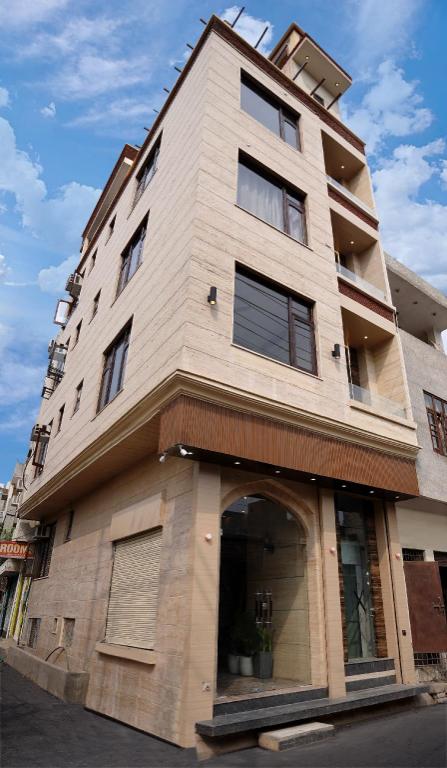
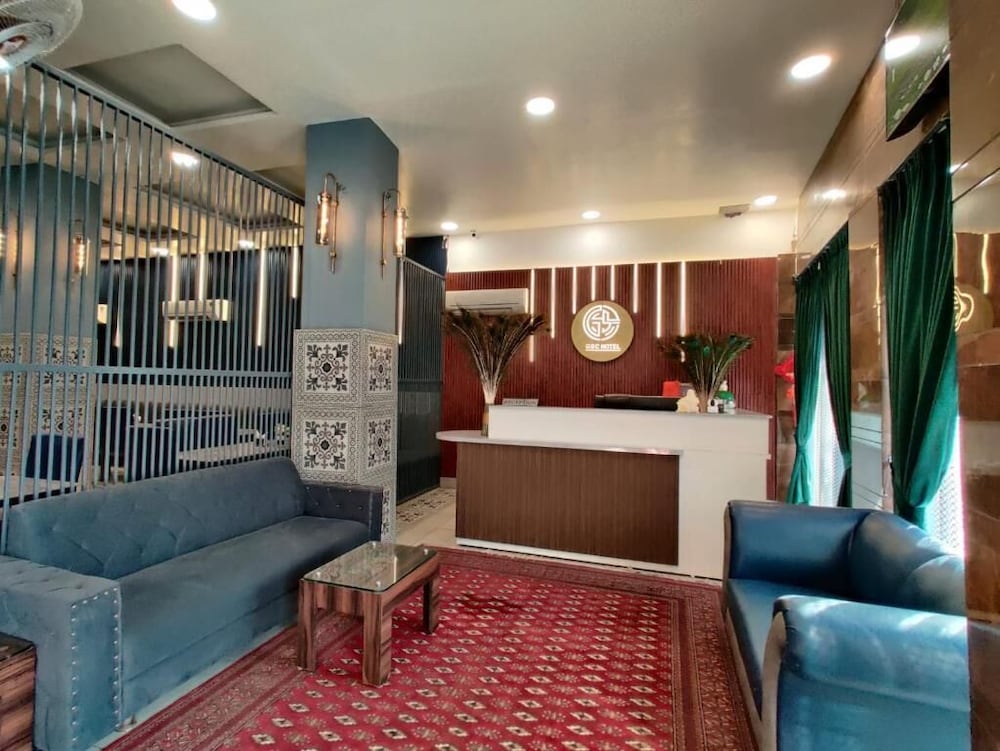
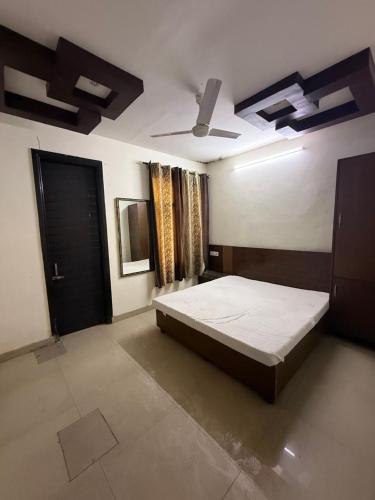
Every hotel we cover in Amritsar
- Hotel Golden Paradise 0.1 km away
- Goroomgo Guru kripa guest house Amritsar 2★ · 0.1 km away
- Hotel Akaal Heights 3★ · 0.1 km away
- OYO 40504 Hotel Avtar Residency 2★ · 2.5/5 · 0.1 km away
- Guru Kalgidhar Residency 2★ · 4/5 · 0.1 km away
- Hotel Raj Darbar 3★ · 3.9/5 · 0.1 km away
- Hotel Heritage Inn 2★ · 3.4/5 · 0.2 km away
- Hotel S.S Royal 3★ · 4.5/5 · 0.2 km away
- Hotel Akaal Residency 1★ · 3.9/5 · 0.2 km away
- One Earth GG Regency 3★ · 4.5/5 · 0.2 km away
- Hotel Raj Darbar 3★ · 3.9/5 · 0.2 km away
- Hotel Grace 2★ · 3.2/5 · 0.2 km away
- Asha Guest House 2★ · 0.2 km away
- Suman castle Hotel 2★ · 0.2 km away
- Treebo Trend Amritsar Regency 3★ · 4.1/5 · 0.2 km away
- Hotel Seeta Since 1965 2★ · 0.2 km away
- Hotel SB Residency 3★ · 0.2 km away
- Hotel Holy City 2★ · 0.2 km away
- Sharma’s B&B 2★ · 0.2 km away
- FabHotel Golden Temple Paradise 50 meters from golden temple 3★ · 0.2 km away
- Hotel Tamanna 50 Meter from Golden Temple 3★ · 0.2 km away
- Treebo Trip MM Paradise 3★ · 0.2 km away
- Hotel Holy City 3★ · 3.7/5 · 0.2 km away
- Hotel Sita Niwas 2★ · 4.2/5 · 0.2 km away
More things to do
All things to do


From the journal
All posts Comparisons & rankings
Hotels with pools in Punjab, ranked
Comparisons & rankings
Hotels with pools in Punjab, ranked
A working shortlist of 9 hotels across Amritsar, Chandigarh, Ludhiana and Mohali where the pool is genuinely usable — not a puddle behind the generator shed.
 Comparisons & rankings
Family-friendly hotels in Punjab, ranked
Comparisons & rankings
Family-friendly hotels in Punjab, ranked
Ten hotels across the state where kids under 10 will not lose their minds and parents will not either — with real notes on pools, kids' menus, and connecting rooms.
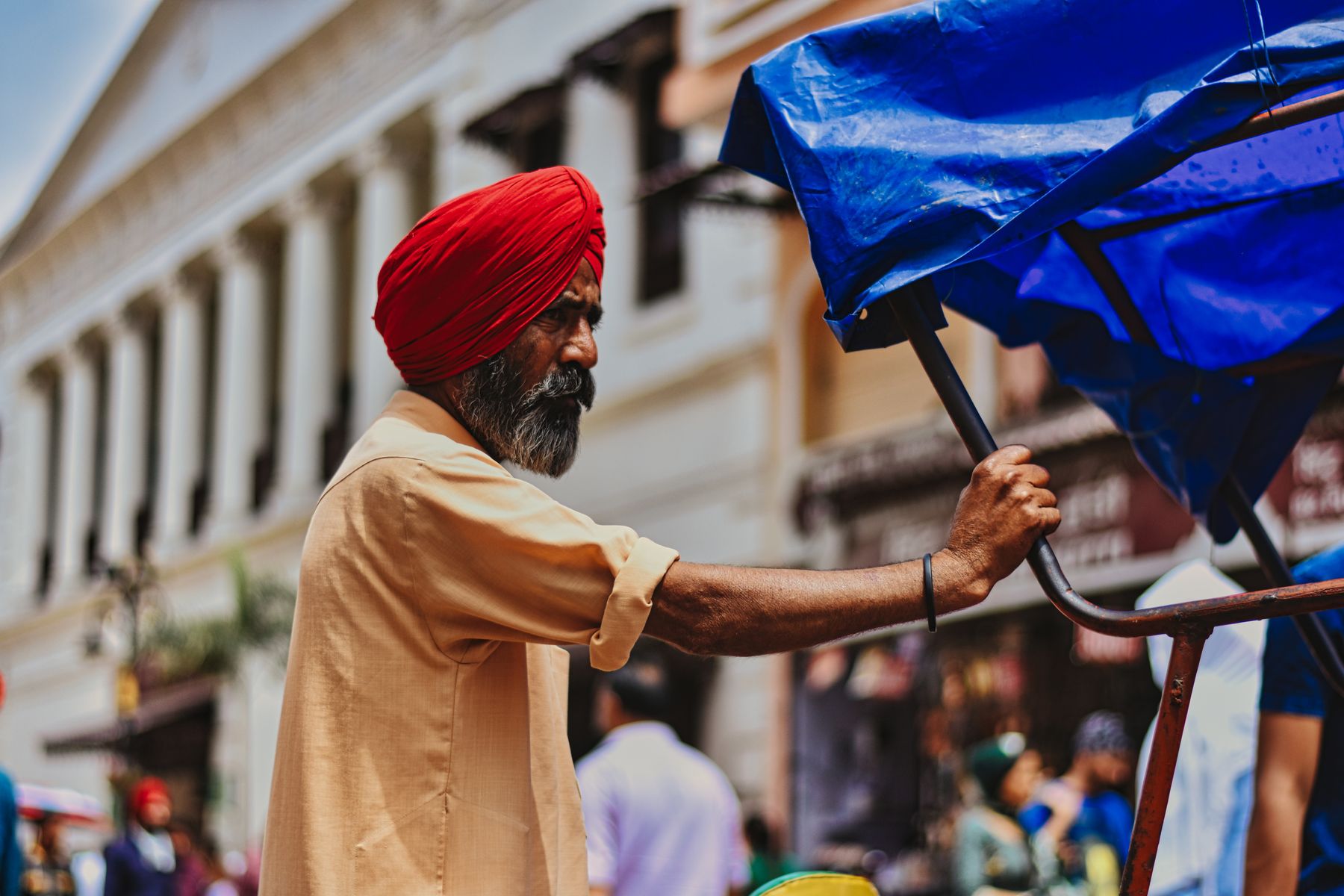 Comparisons & rankings
Family hotels in Amritsar: which belt to book by your kids' ages
Comparisons & rankings
Family hotels in Amritsar: which belt to book by your kids' ages
Amritsar’s family rooms cluster in three belts — Ranjit Avenue near the malls, the Golden Temple walk, and the Airport Road pools — and the right one depends on how old your kids are.