Kali Devi Mandir
Maharaja Bhupinder Singh's royal 1936 temple to Kali, still Patiala's most active shrine.
 Kali Devi Mandir facade with vermillion trim and iron trident
What to expect at Kali Devi Mandir
Kali Devi Mandir was built in 1936 by Maharaja Bhupinder Singh of Patiala, who brought the black stone idol of Maha Kali from Bengal in a specially commissioned procession and installed it in this pink-and-white shrine on the edge of the palace grounds. Alongside the main Kali murti the temple houses an ancient 6-foot statue of Raj Rajeshwari that predates the building by centuries. It is one of the few genuinely royal-founded Hindu temples in Punjab, and the atmosphere still has a courtly formality that the language of the daily aarti preserves.
The layout is compact — a raised marble plinth, the black-stone Kali facing east, Raj Rajeshwari in the annexe, and small shrines to Bhairon and Hanuman in the corners. Devotees offer bali of blessed pumpkin (never animal) and lengths of red-and-gold thread that are tied around the perimeter railings until the entire ironwork glitters. During Navratri the exterior is floodlit and a fair fills the road outside; on ordinary days it is a quick, meditative stop.
Combine with the Qila Mubarak fort complex, the Sheesh Mahal palace and the Baradari Gardens which are all within a two-kilometre radius — Patiala's princely heritage clusters usefully. Modest dress is appreciated. Buy the offering thali of coconut, thread and pumpkin from the licensed stalls at the gate rather than the pavement vendors — the prices are fixed on a board.
A visit runs in a fixed order and it helps to know it before you are in the queue. You leave shoes at the stand just inside the gate — free, though a ₹5 or ₹10 coin is normal — then pass the licensed stall row where the thalis are stacked, then join the rail that funnels up the plinth steps. Darshan itself lasts seconds: the priest touches your offering to the idol, returns a coconut half and a smear of vermillion, and the line moves. Everything worth lingering over happens afterwards, on the circumambulation — Raj Rajeshwari in the south annexe, where far fewer people stop, then Bhairon and Hanuman in the corners, then the railings furred with red thread. Tie yours on the way out rather than the way in, so you are not fighting the inbound queue. Photograph the pink-and-white facade from the courtyard and pocket the phone before the steps; the sanctum is not for cameras.
Getting here is simple and cheap. Patiala railway station, on the Rajpura-Bathinda line, sits 3 km away: an auto to the temple gate is ₹60-₹80 after the usual haggle, an e-rickshaw ₹30-₹40, and a Rapido bike less again. The main Patiala bus stand is about 2 km out, roughly ₹40 by auto. From Chandigarh, PRTC and Punjab Roadways buses leave through the day for the 65 km run via Zirakpur and Rajpura, ₹100-₹130 and ninety minutes to two hours depending on traffic at Rajpura; from Delhi it is around 250 km and five hours by road, with Chandigarh the nearest airport at roughly 90 minutes. Drivers should not try to park directly outside — the Mall Road frontage is narrow and attendants may ask ₹20-₹30 for a kerbside slot. Leave the car at the Baradari Gardens side and walk the last five to eight minutes instead.
Costs stay small unless you choose otherwise. There is no entry ticket, no camera fee and no separate charge for the annexes — the temple takes only what goes into the donation boxes. A standard offering thali of coconut, red-and-gold thread, batasha and a small pumpkin runs about ₹50-₹150 at the licensed stalls, a coconut alone ₹40-₹50, a bundle of thread ₹10-₹20, and an embroidered chunni for the idol ₹100-₹250 if you want one. Pavement sellers outside the gate will quote three times the board price to visitors who look unsure, so walk the extra twenty steps to the fixed-price row. Folding in the rest of Patiala's princely quarter adds little: Baradari Gardens is free, and the Sheesh Mahal museum and Qila Mubarak charge only a nominal ticket bought at the door. Budget ₹200 for the temple and ₹500 for the whole half-day with autos.
Time it by the hour and the temple changes character completely. Doors open at 05:00 and the 06:00 aarti is the best version of the place — bells, a thin crowd of regulars, cool marble underfoot. Between 07:00 and 10:00 it is nearly empty, which is the window to use if you want to study the Raj Rajeshwari statue properly. Evenings from 18:00 build steadily to the 20:30 aarti, when the courtyard packs. Tuesdays, Saturdays and Sundays are heavier all day, as is amavasya. Both Navratris — Chaitra in March or April, Sharad in September or October — bring nine nights of floodlights, a street fair and queues that can stretch onto the road. Season matters too: October to March is the comfortable stretch, while April to June pushes past 40°C and the plinth burns bare feet after about 09:00. In those months, come at first light.
It suits most travellers and asks little of them. Families manage it easily in three quarters of an hour, and small children are indulged rather than shushed. Wheelchair users can reach and cross the courtyard, but the sanctum sits on a raised plinth reached by steps, so darshan from the courtyard level is the realistic plan. Teenagers with no interest in temples will be done in fifteen minutes, which is fine — that still fits inside a one-hour gap before a train, allowing twelve minutes by auto each way from Patiala station. Everyone goes barefoot, so summer visitors should carry a cloth bag for shoes and time it early. If you want architecture rather than active worship, this is not the strongest card in the city: spend the time on Qila Mubarak's Darbar Hall, 2 km and a ₹40 auto away, or on Adalat Bazaar's paranda and jutti shops ten minutes on foot from there.
The honest caveats are worth hearing. This is a 1936 building, not an ancient one, and visitors who arrive expecting Bengal-style terracotta towers or palace interiors will find a modest, brightly painted shrine whose value is the devotion inside it and the two idols, not its masonry. The royal association is real but invisible — nothing of the Patiala court is on display here. Darshan on a Navratri evening is three seconds long and shoulder to shoulder, and no amount of early arrival changes that, so treat the fair outside as the attraction on those nights. There is no cloakroom for suitcases, no café and very little shelter if a monsoon shower lands on the open courtyard. And despite persistent rumour, no animal sacrifice takes place: the bali is blessed pumpkin, and anyone who tells you otherwise at the gate is selling something.
Questions about Kali Devi Mandir
Free — no charge to enter or take darshan. There is no camera fee and no separate ticket for the Raj Rajeshwari annexe or the Bhairon and Hanuman corner shrines. The only money you spend is voluntary: an offering thali of coconut, thread, batasha and pumpkin costs ₹50-₹150 at the licensed stalls inside the gate, a coconut alone ₹40-₹50, thread ₹10-₹20, and a chunni ₹100-₹250. Shoe storage is free, though a ₹5-₹10 coin is customary. Ignore pavement vendors quoting ₹300 for the same thali.
The temple is free at all open hours, 05:00-22:00. Nothing behind a paywall opens later or closes earlier, and both aartis — 06:00 and 20:30 — are open to anyone standing in the courtyard. The 06:00 slot is the calmer of the two by a wide margin; the 20:30 one fills from about 20:00. During Chaitra and Sharad Navratri the shrine is floodlit nightly and stays busy until closing. The sanctum may be curtained for a few minutes during bhog, so allow a little slack.
About 45 minutes for darshan and the annexes. That covers the queue up the plinth, the circumambulation, five minutes with the 6-foot Raj Rajeshwari statue in the south annexe and tying a thread on the railings. A fast visit between trains takes 15 minutes and still works. Stay 60-75 minutes if you want to sit through a full aarti, and expect 90 minutes or more on a Navratri evening, most of it queueing on the approach road rather than inside the complex.
None. The temple opens every day of the year from 05:00 to 22:00, including national holidays, and does not shut for a midday break — though the sanctum curtain closes briefly during bhog and the aarti sequence. Crowd levels are the real variable: Tuesdays, Saturdays, Sundays and amavasya draw far more worshippers, and the nine nights of each Navratri bring a street fair outside. For an unhurried look at the idols, come on a weekday morning between 07:00 and 10:00.
Not needed. There are no tickets, no online slots, no VIP darshan line and no timed entry — you walk in and join the rail. If you want a sankalp or a named puja performed, ask at the counter inside rather than arranging it through a tout at the gate, and expect to leave a donation rather than pay a fixed price. Nearby sights are equally walk-up: Qila Mubarak and the Sheesh Mahal museum sell nominal tickets at the door, and Baradari Gardens is free and unticketed.
Patiala railway station is 3 km; autos run to the temple gate. Reckon ₹60-₹80 by auto, ₹30-₹40 by e-rickshaw and about twelve minutes either way. The main bus stand is roughly 2 km out, around ₹40 by auto. From Chandigarh, PRTC and Punjab Roadways buses cover the 65 km via Zirakpur and Rajpura for ₹100-₹130 in 90 minutes to two hours. Drivers should park on the Baradari Gardens side and walk five to eight minutes — Mall Road frontage parking is cramped.
Hotels near Kali Devi Mandir
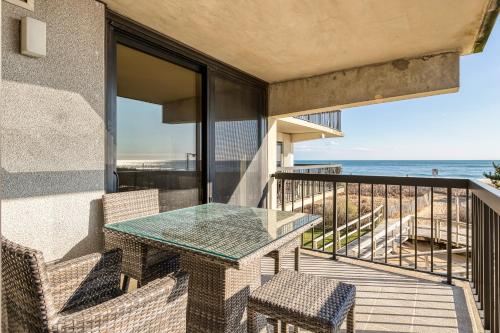
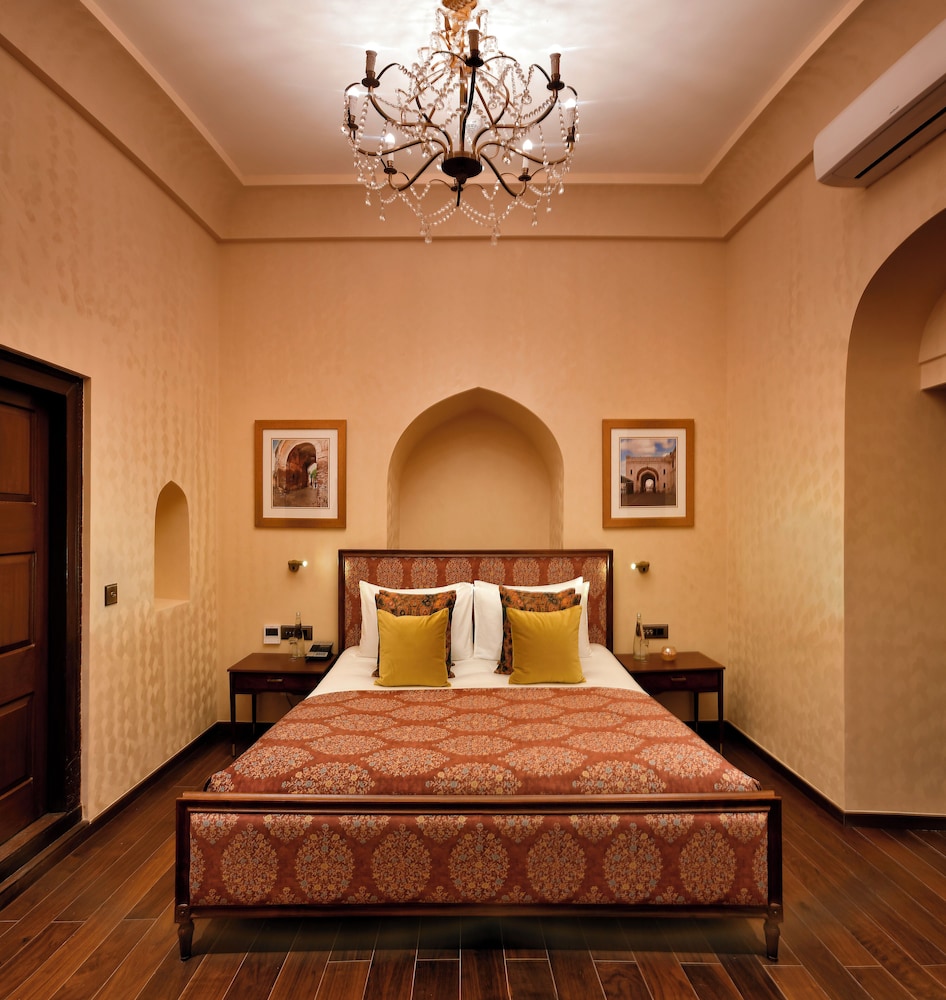
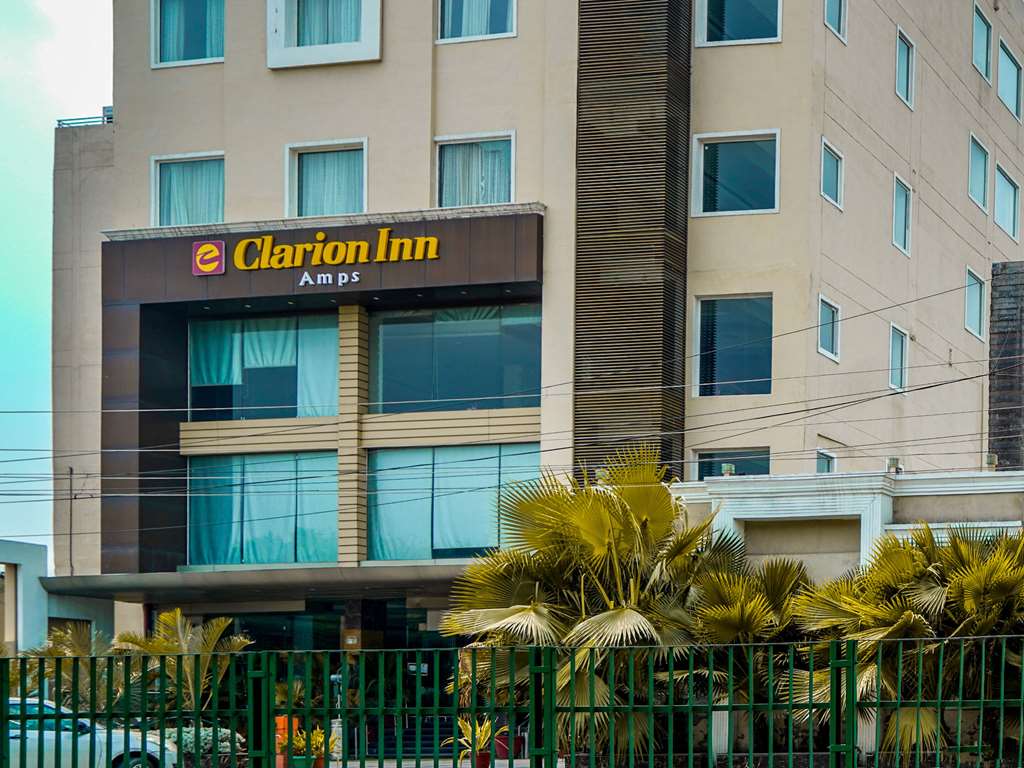
Every hotel we cover in Patiala
- Hotel Harbans Residency 3★ · 0.3 km away
- Patiala Retreat 3★ · 0.4 km away
- Green hotels and restaurant 3★ · 0.5 km away
- Motel Sunrise 3★ · 0.5 km away
- Neemrana’s Baradari Palace 3★ · 4.3/5 · 0.6 km away
- Hotel Mohan Continental 2★ · 3.7/5 · 0.7 km away
- Godwin hotel 3★ · 0.9 km away
- Oyo 29950 Hotel Ml Pride 3★ · 3.5/5 · 0.9 km away
- OYO 8576 Hotel Jiwan Plaza 3★ · 3.7/5 · 0.9 km away
- Hotel Tng 3★ · 1 km away
- Capital O 44225 Neem Leaf 3★ · 3.9/5 · 1 km away
- The Shaurya 3★ · 4.1/5 · 1.1 km away
- Oyo 8590 Hotel Sea 2★ · 3.2/5 · 1.1 km away
- Amar Hotel By Grb 3★ · 1.1 km away
- Oyo 29400 Hotel Amar 3★ · 3.6/5 · 1.1 km away
- Kings retreat 3★ · 1.1 km away
- Hotel Kings Retreat 3★ · 3.9/5 · 1.1 km away
- Hotel Ranjit Plaza 1.1 km away
- Hotel AK Suites 4★ · 4.3/5 · 1.2 km away
- Hotel Narain Continental 3★ · 1.2 km away
- Hotel Ranjit 1★ · 1.2 km away
- Flyover Classic 3★ · 1.3 km away
- Hotel Jai Surya 1★ · 4/5 · 1.3 km away
- OYO 16082 Hotel Imperial Corner 3★ · 3.4/5 · 1.4 km away
More things to do
All things to do


From the journal
All posts Comparisons & rankings
Hotels with pools in Punjab, ranked
Comparisons & rankings
Hotels with pools in Punjab, ranked
A working shortlist of 9 hotels across Amritsar, Chandigarh, Ludhiana and Mohali where the pool is genuinely usable — not a puddle behind the generator shed.
 Comparisons & rankings
Family-friendly hotels in Punjab, ranked
Comparisons & rankings
Family-friendly hotels in Punjab, ranked
Ten hotels across the state where kids under 10 will not lose their minds and parents will not either — with real notes on pools, kids' menus, and connecting rooms.
 Comparisons & rankings
Family hotels in Amritsar: which belt to book by your kids' ages
Comparisons & rankings
Family hotels in Amritsar: which belt to book by your kids' ages
Amritsar’s family rooms cluster in three belts — Ranjit Avenue near the malls, the Golden Temple walk, and the Airport Road pools — and the right one depends on how old your kids are.