Kesar Da Dhaba
A 1916 institution where the dal makhani has been simmering for more than a century.
 Kesar Da Dhaba's brass thali with dal, paratha and phirni
What to expect at Kesar Da Dhaba
Kesar Da Dhaba was founded in 1916 in what was then Sheikhupura (now in Pakistan) and re-established in Amritsar's Passian Chowk after Partition. Four generations on, it is still run by the same family, still serves the same short menu of vegetarian Punjabi classics, and still cooks its famous dal makhani in a giant clay-lined vat that never stops simmering — a spoonful of yesterday's dal goes into today's, so the pot arguably contains molecules from a hundred years back. It is on every Amritsar food list and deserves the place. The address, if you are typing it into a map, is Chowk Passian near the Telephone Exchange, deep inside the walled city; the kitchen is pure vegetarian, cooks almost everything in desi ghee, and serves no alcohol. Come hungry, and do not plan a second meal within four hours of this one.
The signature order is the special thali: dal makhani, paneer bhurji or matar paneer, lachha paratha, roti, raita and phirni. Portions are enormous; two people can comfortably share one thali plus one extra bread. The lachha paratha is layered with ghee and comes to the table crackling. Phirni arrives in a shallow clay bowl and is worth ordering even if you think you’re full. The seating is basic — long communal tables, no décor, ceiling fans, a queue at the door — and that is the point. Beyond the thali the à la carte list is short and honest: dal makhani, matar paneer, palak paneer, paneer bhurji, kadhi, a mixed vegetable, plain and tandoori rotis, lassi and chaas. Order the dal and one paneer dish between two and skip the rice; the breads are what this kitchen does best.
Come at 11:30 opening for lunch or 18:30 for dinner to avoid a wait; between 13:00 and 14:30 the queue can be an hour. No bookings, no VIP shortcuts, no children's menu, no discounts. Cash and UPI both work. The dhaba is a five-minute walk from the Golden Temple through Passian Chowk. Best combined with a morning Golden Temple visit and a late-lunch stop here before heading to the Partition Museum. The shutters drop between 15:30 and 18:30 for the afternoon break, and the kitchen stops taking fresh orders a little before each closing time, so treat 15:00 and 22:30 as the real last-order marks. If your schedule only gives you 16:00 in Amritsar, do not walk over hoping for a snack — you will find a locked door and a lane full of scooters.
Getting there is a walking problem, not a transport one. Amritsar has no metro, and no vehicle larger than a cycle rickshaw comfortably reaches the door: the lane at Chowk Passian is barely two rickshaws wide. From the Golden Temple, leave by the Ghanta Ghar side, walk the pedestrianised Heritage Street to the Town Hall, then bear into the lanes past the Telephone Exchange — eight minutes at a slow, distracted pace. Drivers should leave the car in the paid multi-level parking behind the Jallianwala Bagh plaza, roughly ₹30-50 for a couple of hours, and walk the rest. From Amritsar Junction railway station, 2.5 km out, an auto-rickshaw is ₹80-120 and an e-rickshaw ₹30-50; from Sri Guru Ram Dass Jee International Airport, 11 km north, a taxi runs ₹600-800. Do not book a cab to the door; it cannot get there.
Costs are simple because the menu is. The special thali sits at ₹350-450 depending on which paneer dish comes with it; individual dishes run ₹150-250, phirni is around ₹80, plain roti ₹25-30 and the lachha paratha ₹60-70. Two adults sharing one thali and adding a single extra paratha eat properly for under ₹500 all in. There is no cover charge, no service charge printed on the bill, no tasting menu, no wine list and no discount for children or seniors. Cash and UPI are the reliable payment routes; card machines here are not something to depend on. The only thing that quietly inflates a bill is ordering a dish each out of politeness — resist it, because portions are built for sharing and unfinished food goes back untouched.
Timing decides whether this is a good meal or an hour on your feet. The room is calm from opening until about 12:30, fills hard between 13:00 and 14:30, and settles again after 15:00 when the kitchen is already winding down. Evenings are gentler: 18:30 to 19:30 is the easiest sitting of the day. Month by month, October to March is the season this food was designed for — Amritsar mornings at 5-10°C make a ghee-soaked paratha feel medicinal, though December and January fog can slow every arrival into the city. May and June, at 42-45°C under ceiling fans with no air conditioning, are grim; eat at night if you come then. Around Baisakhi in mid-April and Bandi Chhor Divas and Guru Nanak Gurpurab in autumn, expect the lunch queue to roughly double.
It suits people who want one honest, heavy vegetarian meal and are relaxed about sharing a bench with strangers. Families do well: it is quick, alcohol-free, and children can be fed from a shared thali, though there are no high chairs and no space for a pram. Teenagers who like food photography get their shot of the dal vat in thirty seconds. Wheelchair users should think twice — the lane is uneven, tables are tightly packed and the walk in is the obstacle, so consider having food packed and eating at your hotel instead. Vegans should skip it outright: butter, cream, ghee, paneer, raita and phirni leave almost nothing on the menu. With one free hour before a train, this works only off-peak, since the station is a further 15 minutes by auto.
Fold it into a walled-city half day. Jallianwala Bagh is 6-7 minutes back towards the Golden Temple and free to enter; the Partition Museum in the Town Hall is about 5 minutes away and pairs naturally with a dhaba founded on the other side of the 1947 line. Hall Bazaar and Katra Jaimal Singh, the phulkari and suit-cloth markets, start within a couple of minutes of the same lanes. For dessert elsewhere, Gurdas Ram Jalebi Wala is a short walk in the gali network near the temple, and Ahuja Milk Bhandar does the thick lassi that this dhaba does not specialise in. Bharawan Da Dhaba, opposite the Town Hall, is the direct competitor at similar prices with more comfortable seating. Do the museum first, eat here second — nobody absorbs a Partition exhibit after that much butter.
The honest caveats. The dal is rich to the point of being one-note for some palates and the ghee is not subtle; if you dislike heavy food, one shared thali is your limit and there is no lighter option to fall back on. Service is brisk and tables turn fast at peak — you will be seated with strangers and gently moved along. The century-old pot is a starter-method story, warmly told and impossible to verify, so enjoy it as folklore rather than fact. Several nearby dhabas trade on similar-sounding names, so check the signboard at Chowk Passian before sitting down. And people arrive expecting Amritsari fried fish, tandoori chicken or a beer: none of that exists here. For that, eat elsewhere on Lawrence Road and keep this meal purely vegetarian.
Questions about Kesar Da Dhaba
The special thali is around ₹350-450, individual dishes ₹150-250, phirni ₹80. Plain roti is ₹25-30 and the ghee-layered lachha paratha ₹60-70, so two people sharing one thali with an extra bread finish under ₹500 in total. There is no cover charge and no service charge on the bill, and no discounts for children or groups. Cash and UPI are the dependable payment methods; do not count on a card machine working during a busy lunch rush.
No — Kesar Da Dhaba is a paid restaurant. Nothing on the menu is complimentary and there are no set-lunch deals or happy hours at any point in the day. If you want a free meal in Amritsar, the Golden Temple langar is about 500 m east, runs round the clock, feeds everyone regardless of faith and asks nothing beyond an optional donation. The cheapest sit-down order here is a bowl of dal with two rotis, which still lands near ₹230.
About an hour including the wait; the meal itself is quick. Arrive at opening and you are seated immediately, with food on the table inside ten minutes and the whole meal done in 45. Turn up at 13:30 and the queue alone can eat 45 to 60 minutes, with nowhere comfortable to stand in the lane. Evenings between 18:30 and 19:30 are the fastest sitting of the day. Budget 90 minutes if you are coming at peak lunch.
Open every day; only closes between 15:30 and 18:30 for the afternoon break. It stays open on national holidays and through the big Amritsar festivals — Baisakhi in mid-April and the autumn Gurpurab and Bandi Chhor Divas dates are the busiest of the year rather than closed days. The kitchen stops taking new orders shortly before each shutter, so treat 15:00 for lunch and 22:30 for dinner as your real deadline for walking through the door.
No booking system — first come first served. There are no phone reservations, no online tables, no priority for tour groups and no way to hold a bench in advance. Groups of more than six will usually be split across two tables, and at peak you may be seated with strangers on a communal bench. Give your name and headcount at the counter as you arrive and wait to be called. Turning up at 11:30 or 18:30 sharp removes the problem entirely.
Passian Chowk, 500 m west of the Golden Temple, walkable in 8 minutes. The precise landmark is Chowk Passian near the Telephone Exchange: leave the temple at the Ghanta Ghar side, walk Heritage Street to the Town Hall, then into the lanes. Cars cannot reach the door, so drivers should park at the multi-level lot behind the Jallianwala Bagh plaza for roughly ₹30-50. From Amritsar Junction, 2.5 km away, an auto is ₹80-120 or an e-rickshaw ₹30-50.
Hotels near Kesar Da Dhaba

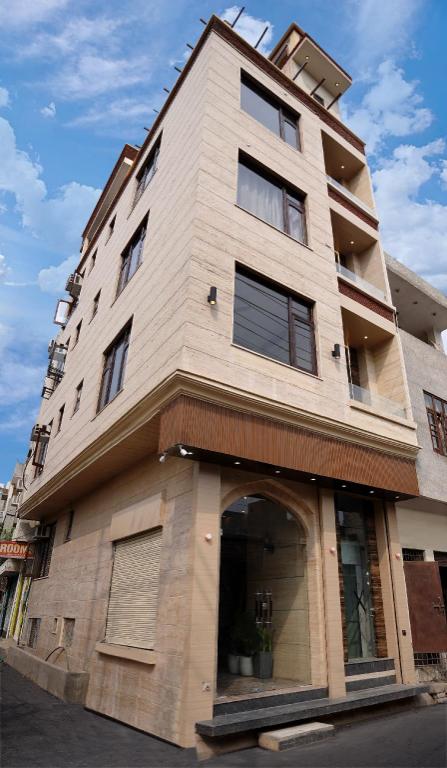
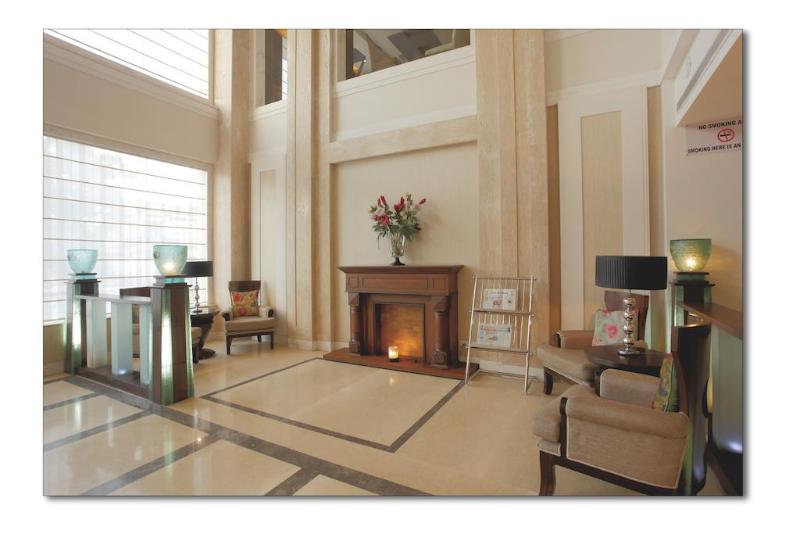
Every hotel we cover in Amritsar
- Hotel Indus Divine Golden View Amritsar 3★ · 0.1 km away
- Hotel Sign Inn 3★ · 0.1 km away
- Hotel Temple Inn 3★ · 3.2/5 · 0.1 km away
- Hotel City Inn 3★ · 0.1 km away
- Sita Continental 3★ · 0.2 km away
- OYO 3947 Hotel City Inn Tower 2★ · 2.7/5 · 0.2 km away
- One Earth City Pearl Amritsar 3★ · 0.2 km away
- Star Light Hotel 3★ · 3.5/5 · 0.2 km away
- Hotel City Inn Tower 3★ · 3.5/5 · 0.2 km away
- A K Continental 2★ · 0.2 km away
- Hotel Golden Heaven Inn Amritsar 3★ · 0.2 km away
- Hotel White Regency 300 MTR from Golden Temple 4★ · 0.2 km away
- Hotel SK Paradise 3★ · 2.9/5 · 0.2 km away
- OYO 22981 Hotel Temple Tower 2★ · 0.2 km away
- Hotel Tradition 3★ · 0.2 km away
- Hotel Bansal Paradise @ Golden Temple 3★ · 0.2 km away
- Amritsar Grand 3★ · 4.7/5 · 0.2 km away
- Bloom Hotel Heritage Walk 3★ · 4.5/5 · 0.2 km away
- Golden Dream Amritsar 3★ · 3.7/5 · 0.2 km away
- Regal 4★ · 3.7/5 · 0.2 km away
- Bharawan Clarks Inn Express 3★ · 3.8/5 · 0.2 km away
- Hotel City Park 3★ · 4/5 · 0.2 km away
- OYO Flagship 113 Golden Temple Road 2★ · 0.3 km away
- Hotel Prems Paradise 3★ · 3.6/5 · 0.3 km away
More things to do
All things to do


From the journal
All posts Comparisons & rankings
Hotels with pools in Punjab, ranked
Comparisons & rankings
Hotels with pools in Punjab, ranked
A working shortlist of 9 hotels across Amritsar, Chandigarh, Ludhiana and Mohali where the pool is genuinely usable — not a puddle behind the generator shed.
 Comparisons & rankings
Family-friendly hotels in Punjab, ranked
Comparisons & rankings
Family-friendly hotels in Punjab, ranked
Ten hotels across the state where kids under 10 will not lose their minds and parents will not either — with real notes on pools, kids' menus, and connecting rooms.
 Comparisons & rankings
Family hotels in Amritsar: which belt to book by your kids' ages
Comparisons & rankings
Family hotels in Amritsar: which belt to book by your kids' ages
Amritsar’s family rooms cluster in three belts — Ranjit Avenue near the malls, the Golden Temple walk, and the Airport Road pools — and the right one depends on how old your kids are.