Qila Mubarak
The 18th-century fort-palace of the Patiala maharajas, with the Darbar Hall of Ranjit Singh.
 Domes and painted walls of Qila Mubarak in Patiala
What to expect at Qila Mubarak
Qila Mubarak, literally 'the blessed fort', was founded in 1763 by Baba Ala Singh, the first ruler of the Patiala state, and expanded over the next two centuries into a walled complex ten acres in extent. It is one of the largest surviving princely-state forts in Punjab and holds the Qila Androon (inner palace), the Darbar Hall, the royal armoury, and Ran Baas — the outer buildings that once housed royal guests and are now being restored as a heritage hotel. It was declared a National Heritage Monument in 2000 and continues to undergo restoration by the ASI. The fort stands at Qila Chowk, dead centre of the old walled city, and the bazaars that ring it — Adalat Bazaar, Dharampura Bazaar, Anardana Chowk — grew up around its gates rather than the other way round. Enter by the main gate off the chowk; the ticket window is just inside, on your left, and takes cash.
The Darbar Hall is the highlight: a vast chamber whose ceiling is painted in nearly a hundred colours and whose walls carry portraits of the Patiala rulers alongside British viceroys and Ranjit Singh of Lahore. The armoury on the upper floor houses swords believed to have belonged to Nadir Shah, Guru Gobind Singh, and Aurangzeb — pieces you would expect in a national museum. The Qila Androon frescoes on the first floor of the inner palace are still being cleaned; some rooms are open, others behind screens. Chandeliers of imported cut glass hang the length of the Darbar Hall and the gilding on the beam-ends is original rather than repainted, which is why the room reads as heavier and darker than photographs suggest. Give the Darbar Hall and the armoury together a solid forty minutes — they are the two rooms that justify the trip, and rushing them to see closed wings is the classic mistake here.
Two hours covers the visit unhurriedly. Combine with Sheesh Mahal (2 km) and Kali Devi Mandir (300 m) for a Patiala royal-heritage half-day. The ASI signage is basic; hire the freelance guides at the entrance for ₹200-300 as they know the frescoes and armoury far better than the panels. Free entry on the first Sunday of each month — it gets busy then, so come at 09:30 opening. Do not miss the Ran Baas courtyard even if the hotel is not yet operating. There is no cafe, no cloakroom and no bookshop inside the walls, so eat before or after in Adalat Bazaar rather than planning a break mid-visit, and carry a bottle of water in summer because the courtyards are unshaded brick and hold the heat well past four in the afternoon.
The route, if you walk it in order, runs like this: through the main gate into the first courtyard, where the scale of the curtain wall registers better than anywhere else; left into the Qila Androon block and the Darbar Hall on the ground floor; up the narrow stone stair to the armoury directly above; then the first-floor zenana rooms of the inner palace, where the surviving fresco panels of Krishna legends and hunting scenes are; and finally out across the open ground to the Ran Baas range on the far side. Allow forty minutes for the hall and armoury, twenty-five for the painted rooms, and twenty for the courtyards and the walk along the inner face of the walls. Skip the closed-off wings entirely rather than peering through screens — restoration hoardings move month to month, and what is boarded up today may be the room the guide raves about next season.
Getting here is straightforward and cheap. Patiala railway station is 3 km out; an auto to Qila Chowk costs roughly ₹60-100 and takes ten to fifteen minutes through the bazaar traffic, and drivers all know the fort by name. The PRTC and Punjab Roadways bus stand is closer, about 1.5 km, so ₹40-50 by auto or a twenty-minute walk down Adalat Bazaar. From Chandigarh, buses leave ISBT Sector 43 through the day for Patiala; reckon on around two hours and roughly ₹120-160 for an ordinary service via Rajpura. Rajpura Junction, 30 km away, is the mainline stop if your train from Delhi does not run into Patiala itself. Driving in is the weak option: there is no dedicated car park at the fort and the lanes around Qila Chowk are tight, so leave the car near Baradari Gardens and take an auto the last kilometre.
Costs are small and predictable. Entry is ₹25 for Indian nationals and ₹300 for foreign visitors, paid in cash at the gate; carry ₹100 notes, because change for larger notes is a struggle at opening. A freelance guide at the entrance is ₹200-300 for the full circuit and is the single best rupee-for-rupee upgrade on this site, given how thin the ASI panels are — agree the price and the rooms to be covered before you walk in. Still photography for personal use is not charged; ask at the window before setting up a tripod or filming. There is no combined ticket with Sheesh Mahal, which sells its own separate small ticket 2 km away. Budget around ₹400-500 for two people including a guide, autos across town and a plate of something in Adalat Bazaar afterwards.
Timing matters more here than at most Punjab monuments. Opening at 09:30 is the best hour of the day: low light rakes across the Darbar Hall ceiling, school groups have not arrived, and the guides are fresh. Midday, roughly 12:00 to 14:00, is the emptiest stretch and also the hottest; the last hour before the 16:30 final entry is pleasant in winter and unbearable in June. Season is decisive — October to March is the window, with December and January cool enough to walk the courtyards comfortably despite morning fog that can delay the light until ten. Late February and early March bring the Patiala Heritage Festival, when the fort hosts evening performances and the daytime crowd thickens. May and June regularly top 42°C in the open courts, and the July-September monsoon leaves the brick underfoot slick. Come Tuesday to Friday if you can; Sundays, free or not, are the busiest.
It suits anyone who likes arms, painted interiors and princely-state history over polished museum presentation, and it rewards a slow, curious visitor with a guide more than a fast one with a camera. Families do fine — the courtyards absorb children and the armoury holds most teenagers for a quarter of an hour — but strollers are a nuisance on the cobbles and there is no lift, so the armoury and the first-floor fresco rooms mean climbing a narrow, uneven stone stair. Wheelchair users can see the gates and the main courtyards only; the best of the interior is upstairs and unreachable. If you have a one-hour gap before a train, it still works: gate, Darbar Hall, armoury, out, and an auto back to the station in fifteen minutes. On a rainy afternoon it is a mixed bet, because half the experience is open ground between blocks.
Fold in what is next door rather than driving across town twice. Kali Devi Mandir is 300 m and five minutes on foot; Adalat Bazaar starts at the fort gate itself and is where to look for phulkari work, Patiala juttis and parandis, two minutes away. Baradari Gardens is about 1.5 km north, worth twenty minutes for the trees and the old library building. Sheesh Mahal is 2 km and a ₹50-70 auto, with the lake and Lachhman Jhoola beside it — check locally whether its museum wing is receiving visitors, as it has spent long stretches under restoration. Bahadurgarh Fort lies 6 km out on the Chandigarh road for anyone with a car. The honest caveat: this is not a restored show-palace on the Rajasthan model, large sections are shuttered, lighting inside is dim, and visitors who arrive expecting the polish of Amber or Mehrangarh leave disappointed.
Questions about Qila Mubarak
₹25 for Indian nationals, ₹300 for foreign visitors. Payment is cash only at the window just inside the main gate, so bring ₹100 notes — change is scarce first thing in the morning. Children under 15 generally go free, as at other ASI-ticketed monuments, but confirm at the counter. Still photography for personal use is not charged. The only real add-on is a freelance guide at ₹200-300 for the full circuit, which is worth taking given how sparse the printed signage is.
First Sunday of every month is free for all visitors. It is also the busiest day of the month, with local families and school parties filling the Darbar Hall from mid-morning, so arrive at the 09:30 opening or accept queues on the narrow armoury stair. Guides still charge their usual ₹200-300 on free days. Honestly, ₹25 is a trivial saving against a quieter Tuesday or Wednesday visit — if your dates are flexible, pay the fee and get the frescoes to yourself.
Two hours for a full unhurried visit. That breaks down as roughly forty minutes for the Darbar Hall and the armoury above it, twenty-five for the first-floor zenana rooms and their frescoes, and twenty for the courtyards, the inner wall walk and the Ran Baas range. With a guide talking you through the weapons and painted panels, allow two and a half hours. Pressed for time before a train, one focused hour covers the hall and armoury. Adding Sheesh Mahal 2 km away makes it a comfortable half-day.
Closed every Monday and on some public holidays. Otherwise the fort opens Tuesday to Sunday, 09:30 to 17:00, with last entry at 16:30 — turning up at 16:45 means being turned away. Individual wings close without notice while ASI restoration work moves around the complex, so the room a guidebook praises may be behind hoardings on the day you come. Nothing shuts seasonally, but May and June afternoons in the open courtyards routinely pass 42°C, which is closure by another name.
Tickets are sold at the gate; no advance booking needed. There is no online ticketing and no timed-entry system, and even on the free first Sunday the queue rarely runs longer than a few minutes. Bring cash. Guides are hired the same way — they wait near the entrance, and you settle the fee, usually ₹200-300, and the rooms to be covered before starting. Larger groups and school parties are better off phoning ahead through the Punjab tourism office so a guide is expecting them at opening.
Patiala railway station is 3 km; autos and cabs are easy. An auto to Qila Chowk runs about ₹60-100 and ten to fifteen minutes through bazaar traffic. The PRTC bus stand is nearer at roughly 1.5 km, ₹40-50 by auto or a twenty-minute walk along Adalat Bazaar. Mainline trains from Delhi often stop at Rajpura Junction, 30 km away, with buses and shared taxis on from there. Chandigarh airport is about 70 km, around two hours by road via Rajpura. Do not attempt to park a car at the gate.
Hotels near Qila Mubarak
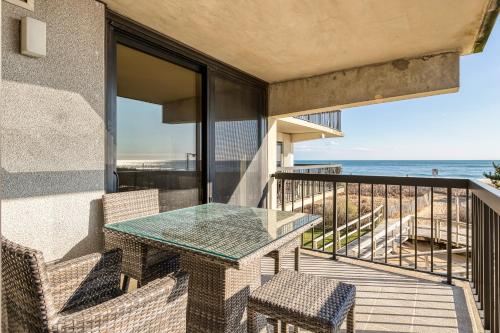
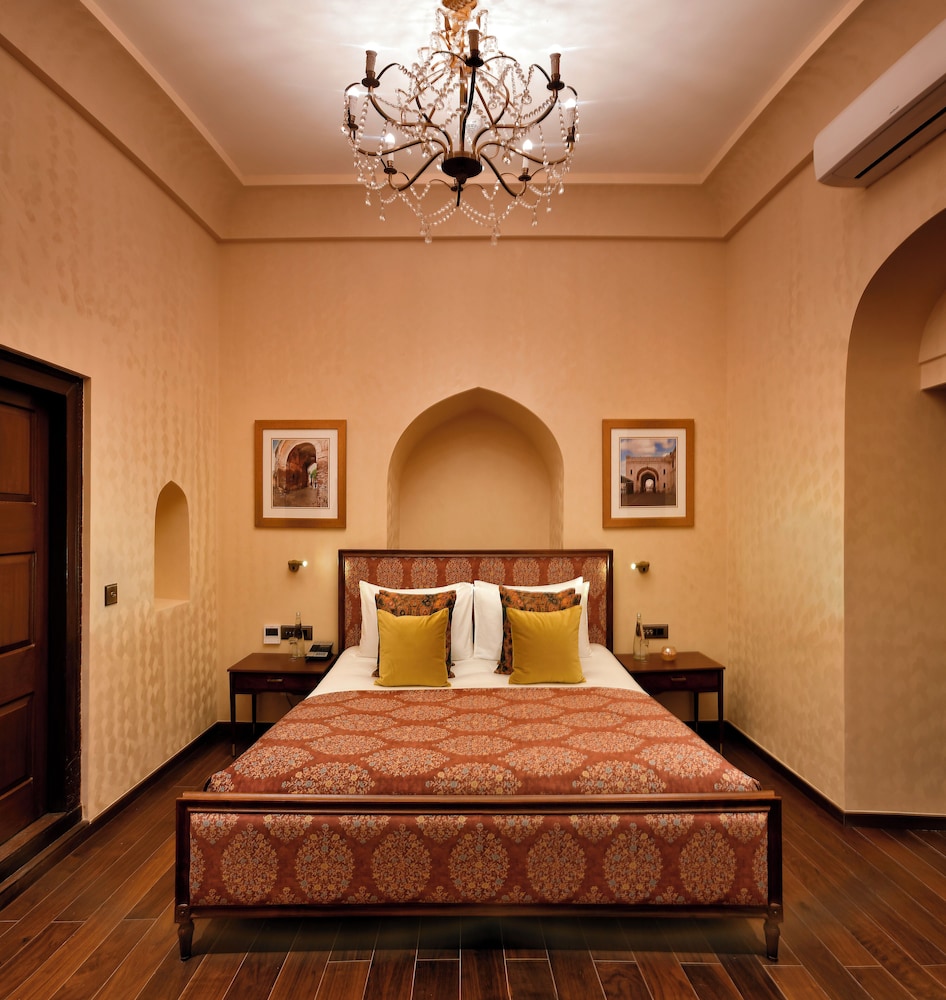
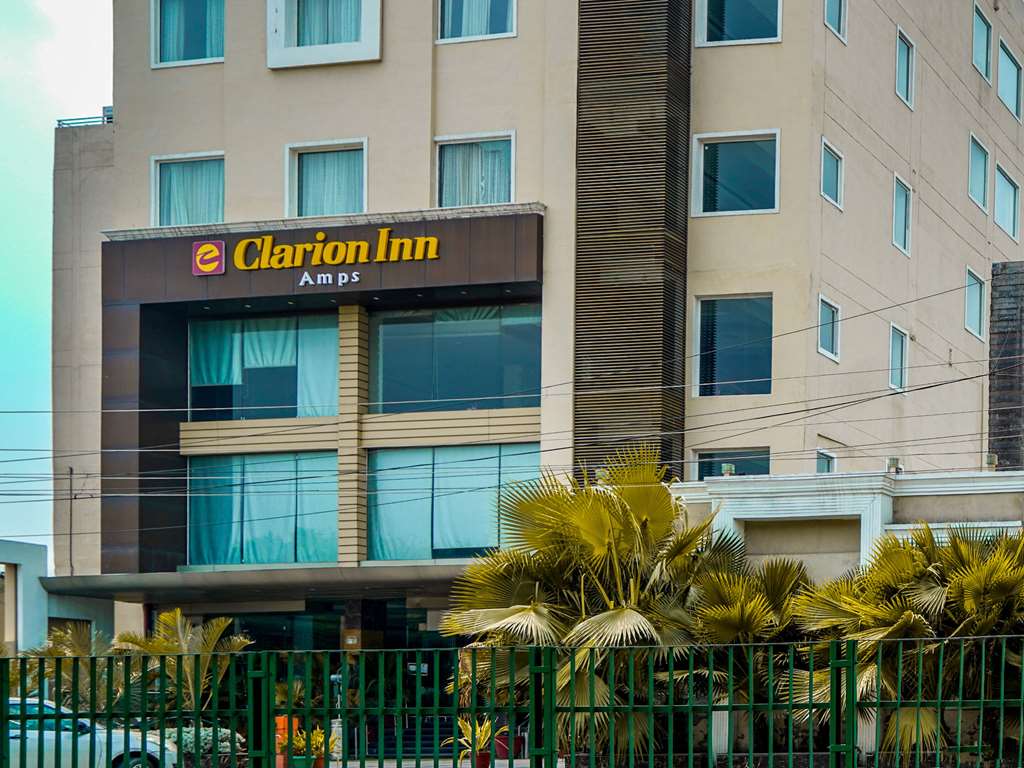
Every hotel we cover in Patiala
- Hotel Harbans Residency 3★ · 0.2 km away
- Patiala Retreat 3★ · 0.3 km away
- Neemrana’s Baradari Palace 3★ · 4.3/5 · 0.5 km away
- Green hotels and restaurant 3★ · 0.5 km away
- Motel Sunrise 3★ · 0.5 km away
- Hotel Mohan Continental 2★ · 3.7/5 · 0.6 km away
- Oyo 29950 Hotel Ml Pride 3★ · 3.5/5 · 0.8 km away
- Godwin hotel 3★ · 0.8 km away
- OYO 8576 Hotel Jiwan Plaza 3★ · 3.7/5 · 1 km away
- Capital O 44225 Neem Leaf 3★ · 3.9/5 · 1 km away
- Amar Hotel By Grb 3★ · 1 km away
- Oyo 29400 Hotel Amar 3★ · 3.6/5 · 1.1 km away
- Hotel Tng 3★ · 1.1 km away
- Hotel AK Suites 4★ · 4.3/5 · 1.1 km away
- Hotel Narain Continental 3★ · 1.1 km away
- Kings retreat 3★ · 1.1 km away
- Hotel Kings Retreat 3★ · 3.9/5 · 1.1 km away
- Oyo 8590 Hotel Sea 2★ · 3.2/5 · 1.2 km away
- Hotel Ranjit Plaza 1.2 km away
- The Shaurya 3★ · 4.1/5 · 1.2 km away
- Hotel Ranjit 1★ · 1.3 km away
- Hotel Jai Surya 1★ · 4/5 · 1.3 km away
- Flyover Classic 3★ · 1.3 km away
- OYO 16082 Hotel Imperial Corner 3★ · 3.4/5 · 1.4 km away
More things to do
All things to do


From the journal
All posts Comparisons & rankings
Hotels with pools in Punjab, ranked
Comparisons & rankings
Hotels with pools in Punjab, ranked
A working shortlist of 9 hotels across Amritsar, Chandigarh, Ludhiana and Mohali where the pool is genuinely usable — not a puddle behind the generator shed.
 Comparisons & rankings
Family-friendly hotels in Punjab, ranked
Comparisons & rankings
Family-friendly hotels in Punjab, ranked
Ten hotels across the state where kids under 10 will not lose their minds and parents will not either — with real notes on pools, kids' menus, and connecting rooms.
 Comparisons & rankings
Family hotels in Amritsar: which belt to book by your kids' ages
Comparisons & rankings
Family hotels in Amritsar: which belt to book by your kids' ages
Amritsar’s family rooms cluster in three belts — Ranjit Avenue near the malls, the Golden Temple walk, and the Airport Road pools — and the right one depends on how old your kids are.