Wagah Border Beating Retreat
The theatrical lowering of the flags between India and Pakistan, every evening at sundown.
 BSF soldiers high-kicking at the Wagah Border retreat ceremony
What to expect at Wagah Border Beating Retreat
The Beating Retreat ceremony at the Wagah-Attari border, 30 km west of Amritsar, has been performed daily since 1959 as the two flags — Indian and Pakistani — are lowered simultaneously at sundown. Two matched sets of BSF and Pakistan Rangers soldiers in ceremonial plumed turbans face each other across the gate and perform a choreographed sequence of high-kicks, foot-stomps, and moustache-fluffing that manages to be simultaneously militaristic theatre, cross-border rivalry, and audience participation event. Bollywood plays through the loudspeakers before it starts; the Pakistani side plays its own soundtrack in reply.
You arrive by shared taxi, book cab, or a Punjab Tourism bus from Amritsar, park at the enormous car park, walk through security, and are seated in tiered stands facing the border gate. Foreign passport holders have their own VIP section closer to the gate — bring the passport. The crowd waves flags, chants, and dances in the aisles for the hour before the ceremony; the ceremony itself is 30-40 minutes and ends with the gates closing and the sun disappearing below the plain.
Come by 15:30 in summer, 14:30 in winter, to get a decent seat — otherwise you will see it on the giant screens rather than live. No large bags, no cameras with detachable lenses officially, though this is loosely enforced. Combine with Ram Tirath Temple which is on the same road. Dress patriotically or in bright colours; the whole point is participation, not spectatorship. There is no ceremony if the government closes the border for diplomatic reasons — check locally on the day.
The road out is NH-3, the old Grand Trunk Road heading west towards Lahore through Khasa and then Attari village, and it takes 50 to 60 minutes from central Amritsar in normal traffic, longer on a Sunday when every cab in the city is doing the same run. Shared taxis and tempos leave from Bhandari Bridge and the lanes around Hall Bazaar for roughly ₹150-250 a seat return; a private cab held with waiting time runs about ₹1,400-1,800 for the evening; hotel and Punjab Tourism coaches charge ₹300-500 a head. A Punjab Roadways bus to Attari from the Amritsar bus stand is the cheap option at around ₹40-50, leaving a short auto hop to the checkpost gate. Whatever you take, book it as a return with waiting — at 18:30 several thousand people are competing for transport in the dark, and one-way passengers pay triple. From the car park allow 12-15 minutes on foot through three security lines to reach the stands.
Nothing about the ceremony is ticketed, and that includes the enclosure near the gate — a passport gets a foreign visitor in there at no charge, so anyone at the car park offering to sell you a seat or a pass is running a scam. The costs are all peripheral: a small parking charge for a car, usually under ₹100; ₹20-40 for a bottle of water, which is worth buying before the security line rather than after; ₹20-50 for a tricolour or a painted cheek from the hawkers working the concourse; and whatever your transport costs. A sit-down meal at Sarhad, the restaurant about a kilometre back from the checkpost on the Amritsar side, comes to roughly ₹400-700 a head. If there are two or more of you, skip the packaged coach tour entirely — splitting a private cab is cheaper and you leave when you want to, not when the guide counts heads.
October to March is the season to come. November and February are the sweet spot: dry, clear, around 20°C in the stands, and the low sun sits behind the Pakistani side for the flag lowering. Late December and January bring dense Punjab fog that can delay or shorten the drill, and the 16:15 winter start means you are sitting on cold concrete from 14:30 — carry a shawl. April to June is punishing, with 40°C afternoons and unshaded seating that stays hot until sunset; if you must go then, accept a late arrival and a screen view rather than roasting for two hours. The monsoon months are humid but the ceremony runs through light rain. Tuesday to Thursday are the quietest days by a wide margin; Sundays and the long weekends around national holidays fill the stands, which hold in the region of 25,000, well before the gates close.
It suits families with young children better than most Indian monuments do, because nobody is asked to be quiet and the pre-ceremony hour is essentially a street party with drums and running room on the concourse. Teenagers usually love it. Wheelchair users face a harder trip: the approach walk is long, the stands are steep and unrailed, and the accessible seating is limited to a small area at the front — ask a BSF constable at the first security check rather than trying to negotiate at the stands. Anyone allergic to nationalist display, chanting crowds or distorted loudspeakers should genuinely skip this and spend the evening at the Golden Temple instead. And it does not fit into a gap before a train: from leaving your hotel to being back in Amritsar is four hours in summer, three and a half in winter, so keep everything after 20:30 free.
Fold Pul Kanjari into the same half-day if you have a car — a restored Maharaja Ranjit Singh-era sarai with a brick baoli and small temple, about 10 minutes off the Attari road, almost always empty, and worth 30 minutes before you join the queue. Sarhad, a kilometre short of the checkpost, is the only decent food between Amritsar and the border and is best used for a late lunch at 13:30 rather than on the way back. In the city itself, the Partition Museum in the Town Hall closes at 18:00 and shuts on Mondays, so do it in the morning of the same day and let the two halves of the story sit against each other. Gobindgarh Fort stays open into the evening with ticketed shows and is the obvious place to land after you return; the Golden Temple, free and open all night, is the better one.
Be clear about what you are buying with three hours of your day. The genuine drill — the kicks, the flag lowering, the gate — accounts for perhaps 15 minutes; the rest is anthems, a compere working the crowd, and a great deal of waiting on backless concrete. Sightlines beyond about the tenth row are poor, so latecomers watch the giant screens, which you could do from anywhere. Visitors regularly arrive expecting to see Pakistan and are surprised that the view is a gate, a road and a mirrored set of stands 100 metres away; the crossing itself has been shut to trade since 2019 and no tourist walks through here without a Pakistani visa. Since 2025 the gates have stayed closed during the ceremony and the two commanders no longer shake hands, which removes the moment most photographs are built around. Cancellations come without notice, and no cab driver refunds a wasted trip.
Questions about Wagah Border Beating Retreat
Free — no ticket required for the general stands. Nobody sells a ticket at any stage, and anyone at the car park offering one is running a scam. Your actual spending is transport: ₹150-250 a seat in a shared taxi from Bhandari Bridge, ₹1,400-1,800 for a private cab held for the whole evening, or ₹300-500 a head on a hotel or Punjab Tourism coach. Add a parking charge under ₹100, ₹20-40 for water and ₹20-50 if you buy a flag to wave.
Always free; the ceremony itself is free to attend. That includes the enclosure nearer the gate for foreign passport holders, which costs nothing beyond showing the passport at the security check — never pay a tout who claims to arrange access. Seating is unreserved inside each block, so the only thing that buys a good view is arriving early: 15:30 in summer, 14:30 in winter, when the gates open two hours before the 17:15 or 16:15 start.
About three hours including travel from Amritsar and the ceremony itself. Allow four on a Sunday: 50-60 minutes each way on NH-3, 12-15 minutes walking from the car park through the security lines, an hour of waiting and crowd dancing, 30-40 minutes of drill, then 30-45 minutes crawling out of the car park afterwards. You are back in the city around 19:30 in summer and 18:30 in winter, so leave the rest of the evening unbooked.
Ceremony runs daily but can be cancelled during diplomatic tensions. It has been suspended to spectators more than once in recent years, most recently in 2025, and when it resumed the gates stayed shut and the two commanders no longer shook hands across the line. Dense fog in late December and January can shorten or delay it. Have your hotel desk or driver confirm on the day itself — nobody refunds a cab fare for a ceremony that does not happen.
Not for general seating. For paid organised tours, book a day ahead through hotels. Those coach packages run roughly ₹300-500 a person and usually pull out of Amritsar between 14:30 and 15:00 in summer, an hour earlier in winter. With two or more travellers a private cab held with waiting time is cheaper and lets you leave the moment the flags are down. Front-row seats are never bookable by anyone — they go to whoever is standing at the gate when it opens.
30 km from Amritsar; shared taxi from Bhandari Bridge or the tourism department bus. The route is NH-3, the old Grand Trunk Road towards Lahore, through Khasa and Attari village; allow 50-60 minutes each way, more on Sundays. A Punjab Roadways bus to Attari from the Amritsar bus stand costs around ₹40-50 and leaves a short auto hop to the checkpost. From the car park it is roughly a kilometre on foot through several security checks, so leave large bags in the vehicle.
Hotels near Wagah Border Beating Retreat
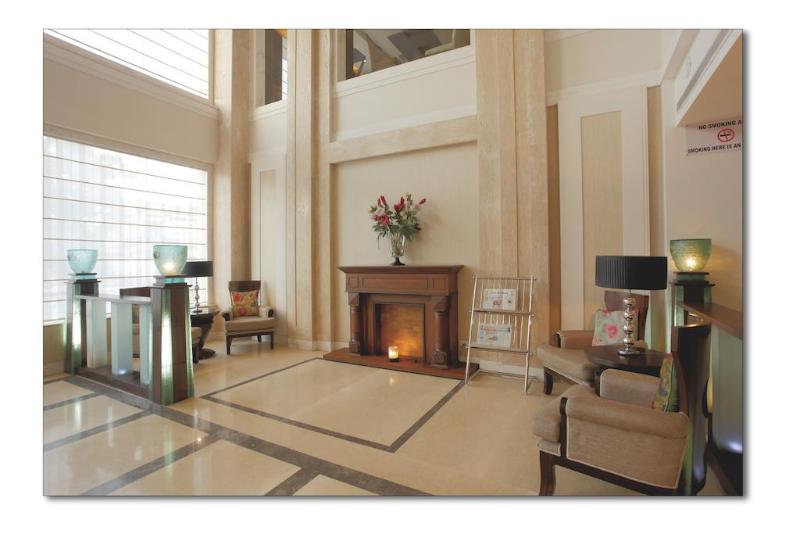

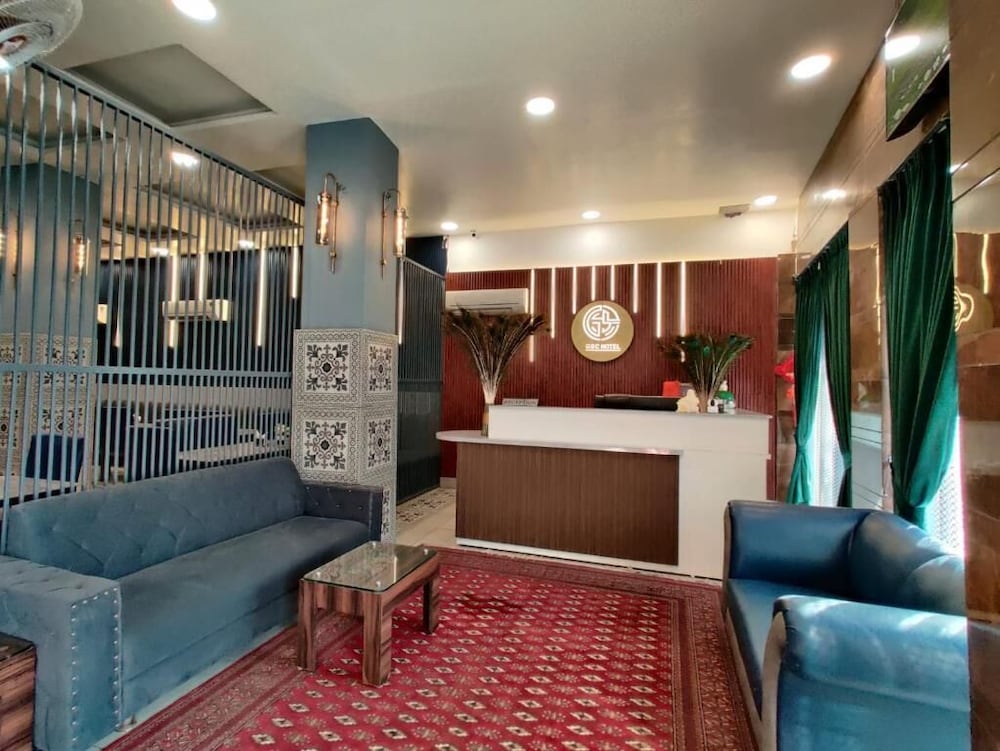
Every hotel we cover in Amritsar
- Rustic Roots Farm Stay 9.1 km away
- Independent House 2 Bedroom 2 Bath Livingroom Lobby kitchen car parking 20 km away
- Full Independent Home for Vaction Tours Marrige Parties Short time stay 20 km away
- Hotel Rb Inn 2★ · 21 km away
- OYO 1662 Hotel Behl Regency 3★ · 3.9/5 · 23 km away
- Hotel Behl Regency 3★ · 4.5/5 · 23 km away
- The Bennett 4★ · 23 km away
- Sadda Pind 3★ · 24 km away
- Hotel Divine Inn 1★ · 25 km away
- The Lawn House 3BHK Villa with parking space 3★ · 25 km away
- Fabhotel Prime Taj Castle 3★ · 25 km away
- Spring Gardens And Farmstay 2★ · 25 km away
- Kazan 4★ · 25 km away
- Luxury Lofts 4★ · 25 km away
- Hampton by Hilton Amritsar Airport 25 km away
- Cape House 4★ · 25 km away
- The Elet 3★ · 25 km away
- Diamond Heritage 1★ · 25 km away
- Palm Villas 4★ · 25 km away
- Welcomhotel by ITC Hotels Raja Sansi Amritsar 5★ · 4.8/5 · 25 km away
- OYO 42893 Siali Residency 3★ · 4.4/5 · 25 km away
- Vishal Homestay 25 km away
- Florentino The Luxury Villa 3★ · 25 km away
- Welcomheritage Ranjit Vilas 3★ · 25 km away
More things to do
All things to do


From the journal
All posts Comparisons & rankings
Hotels with pools in Punjab, ranked
Comparisons & rankings
Hotels with pools in Punjab, ranked
A working shortlist of 9 hotels across Amritsar, Chandigarh, Ludhiana and Mohali where the pool is genuinely usable — not a puddle behind the generator shed.
 Comparisons & rankings
Family-friendly hotels in Punjab, ranked
Comparisons & rankings
Family-friendly hotels in Punjab, ranked
Ten hotels across the state where kids under 10 will not lose their minds and parents will not either — with real notes on pools, kids' menus, and connecting rooms.
 Comparisons & rankings
Family hotels in Amritsar: which belt to book by your kids' ages
Comparisons & rankings
Family hotels in Amritsar: which belt to book by your kids' ages
Amritsar’s family rooms cluster in three belts — Ranjit Avenue near the malls, the Golden Temple walk, and the Airport Road pools — and the right one depends on how old your kids are.