Sheesh Mahal & Medal Gallery
Maharaja Narinder Singh's 1847 pleasure palace, home to the world's largest medal collection.
 Frescoed interior of Sheesh Mahal palace in Patiala
What to expect at Sheesh Mahal & Medal Gallery
Sheesh Mahal was built in 1847 by Maharaja Narinder Singh of Patiala as a summer pleasure palace on the banks of an artificial lake, and its Rang Mahal wing contains some of the most complete surviving nineteenth-century Sikh-Rajput fresco cycles in India — walls and ceilings painted in dense floral, mythological and courtly scenes. The palace also houses the Punjab State Museum, but the real curiosity is upstairs: the Medal Gallery, which claims to be the world's largest collection of medals and orders, assembled by Maharaja Bhupinder Singh — over 3,200 pieces from every major decoration system on earth. The building sits inside the Old Moti Bagh complex on the northern edge of the city, directly across from the National Institute of Sports, which occupies the later New Moti Bagh Palace. Come for the painted rooms and the medals; the building itself is a museum shell rather than a furnished palace, and knowing that in advance saves disappointment at the door.
The ground-floor frescoes are the aesthetic highlight, though many are faded and some rooms are behind conservation screens. The Medal Gallery on the first floor is jaw-dropping in a slightly overwhelming way: cases upon cases of Victoria Crosses, Legions of Honour, Orders of the Bath, Ottoman decorations, and every imaginable Indian princely-state order. A small natural-history section with a stuffed tiger and some birds occupies the north wing. The Lakshman Jhula suspension bridge across the lake, modelled on Rishikesh, is on the palace grounds. Between the frescoes and the medals sits the art gallery, hung with Kangra, Rajasthani and Mughal-derived miniatures, ivories, royal portraits and manuscript pages — the quietest rooms in the building and the ones most visitors walk straight past. Give the miniatures fifteen minutes on the way upstairs rather than saving them for the end, when medal fatigue has already set in.
One to two hours covers it. The medal gallery alone is worth an hour if you have any interest in military history. Combine with Qila Mubarak (2 km) and Baradari Gardens for a Patiala royal-heritage day. Photography is allowed in the medal gallery but not in the fresco rooms. The lake around the palace is stagnant and mosquito-y — visit in winter rather than monsoon. Bengali sweet shops in the surrounding lanes are a legacy of the Patiala court's Bengali imports. Nothing here needs booking, nothing sells out, and no tour operator adds anything a careful reader of the labels will not get for the ₹20 ticket. Plan it as the first stop of a Patiala morning, at opening time, and you will be back out on the road before the city's mid-morning traffic thickens around Fountain Chowk.
Getting here is a road exercise: Punjab has no metro, and Patiala runs on autos and e-rickshaws rather than city buses. From Patiala railway station, 4 km away, an auto costs roughly ₹80-120 and takes about fifteen minutes; a shared e-rickshaw along the same route is ₹50-80 and slower. The main bus stand is around 3 km out, similar money. From Chandigarh, it is 65 km and about ninety minutes by road via Zirakpur and Rajpura, with PRTC and Punjab Roadways buses leaving ISBT Sector 43 every fifteen to twenty minutes for roughly ₹100-150 depending on ordinary or air-conditioned service. From Delhi it is around 250 km and four to five hours via NH-44 to Rajpura, then 25 km west. Rajpura Junction, not Patiala, handles the main Delhi-Amritsar trains; a taxi from there runs ₹700-900. Drive if you can — parking on the approach road inside the complex is open and rarely full.
Costs are trivially small. Entry is ₹20 for Indian nationals and ₹200 for foreign visitors, and that single ticket covers the fresco rooms, the art gallery, the Medal Gallery and the natural-history wing — there is no separate charge per section and no combined pass with any other Patiala sight. Tickets are sold in cash at the gate; carry small notes, as change for a ₹500 is not always forthcoming first thing. There is no audio guide and no official guiding service, so nothing to be upsold; ignore anyone offering a tour outside. Nothing is sold inside — no cafe, no bookshop — so budget ₹50-100 for tea and a Bengali sweet in the lanes afterwards. A full Patiala heritage day, with a comparably small ticket at Qila Mubarak's Darbar Hall, free entry to Baradari Gardens and ₹200-300 of auto hops, lands well under ₹500 a head before lunch.
Timing matters more than the calendar allows. The doors open at 09:30 and the first hour is the emptiest of the day, with low winter light angling into the Rang Mahal; school groups tend to arrive mid-morning on weekdays and fill the medal rooms with noise for half an hour at a stretch. Sundays between 11:00 and 15:00 are the busiest, when Patiala families come out. Last entry is 16:30 and staff begin closing cases around 16:45, so anyone who wants a proper hour upstairs should be through the gate by 15:00. Season-wise, October to March is the only comfortable window: December and January mornings are foggy and 4-6°C, which is no problem indoors, while April to June pushes 40-45°C in unairconditioned galleries. July to September brings monsoon humidity and mosquitoes off the lake. Aim for a November or February weekday morning.
It suits a particular reader very well and others poorly. Anyone who follows military history, phaleristics or nineteenth-century Indian painting will happily lose ninety minutes here; so will photographers, since the medal gallery permits cameras and the cases reward close work. Children get roughly fifteen minutes out of the stuffed tiger and the suspension bridge before the medal cases lose them entirely — the lakeside grounds are the release valve. Access is the real limitation: the Medal Gallery is up a flight of stairs with no lift, so wheelchair users and anyone with bad knees will see the ground-floor frescoes and the art gallery only, which is still worth the ₹20. It works beautifully as a rainy-afternoon plan, being entirely indoors. With a one-hour gap before a train it is tight but possible if the auto waits; otherwise skip it and see Qila Mubarak instead.
Fold the rest of royal Patiala into the same half-day. Qila Mubarak is 2 km south, about a twenty-five-minute walk or a ₹50-70 auto, and its Qila Androon apartments and Darbar Hall arms collection are the stronger architectural experience of the two; the restored Ran Bass The Palace Hotel Patiala sits inside the same fort complex and is the obvious lunch or overnight stop. Baradari Gardens, laid out by Maharaja Rajinder Singh, is roughly 2 km from the palace and free to enter, good for a late-afternoon walk under old trees. Kali Devi Temple stands close to the gardens, and Gurdwara Dukh Niwaran Sahib, 3-4 km away, is best at dusk. Adalat Bazaar and Dharampura Bazaar sell Patiala jutti and parandi within a short auto ride. Run it in that order — Sheesh Mahal at 09:30, fort at 11:30, bazaar lunch, gardens at 16:00.
The honest caveats are worth stating plainly. The world's-largest claim for the medal collection is the museum's own and has never been independently audited; the display style is decades old, with crowded cases, typed labels and almost no context on who won what or why, so bring your own curiosity. Long-running conservation work means a fresco room or a whole wing can be screened off on the day with no notice, and much of the painting that is visible has darkened badly. The lake is stagnant rather than scenic, the natural-history section is dusty taxidermy, and the toilets are basic. Above all, do not arrive expecting furnished royal apartments in the Rajasthan manner — most of the Patiala treasure was dispersed long ago. It rewards a planned Patiala day; it does not justify a 250 km drive from Delhi on its own.
Questions about Sheesh Mahal & Medal Gallery
₹20 for Indian nationals, ₹200 for foreign visitors. That one ticket covers everything inside — the Rang Mahal frescoes, the miniature-painting gallery, the first-floor Medal Gallery and the natural-history wing — with no per-section charges and no combined pass linking it to Qila Mubarak or Baradari Gardens. Payment is cash at the gate counter, so carry ₹100 notes rather than a ₹500; change can be slow first thing in the morning. There is no audio guide and no official guide to hire, which means no upsell once you are through the door.
None — a small ticket is always payable. The museum does not run free evenings, free first Sundays or resident discounts, and at ₹20 for Indians the question rarely matters. What costs nothing is the setting: the lakeside grounds, the exterior of the 1847 palace and the Lakshman Jhula suspension bridge can be looked at without buying anything, which is enough for a ten-minute photo stop if you arrive on a Monday and find the doors shut. The frescoes and the 3,200-piece medal collection are strictly behind the counter.
One to two hours; longer if the medal gallery interests you. A brisk circuit — frescoes, miniatures, medals, tiger — takes about fifty minutes. Military-history readers should budget a full hour upstairs alone, because the cases are crowded and the labelling gives you nothing to shortcut with. Add fifteen minutes for the lake and the suspension bridge outside. Arrive by 15:00 at the latest if you want the unhurried version, since last entry is 16:30 and staff start closing the first-floor cases around 16:45.
Closed Mondays. The rest of the week it runs 09:30 to 17:00 with last entry at 16:30, and the Monday closure is firm — people who drive over from Chandigarh on a long weekend regularly lose the trip to it. Gazetted holidays can also affect staffing, so a phone check is sensible around Republic Day, Independence Day and major state holidays. Separately, conservation work has repeatedly closed individual fresco rooms without notice; the Medal Gallery is the section least likely to be screened off on any given day.
Not required; tickets sold at the gate. There is no online booking, no timed entry and no queue worth the name — even on a Sunday you walk up and pay. Nothing sells out. Groups of more than about fifteen, typically school parties, are the only visitors who ring ahead, and they are also the reason a mid-morning weekday can suddenly get loud. If you want the frescoes to yourself, simply be at the gate for the 09:30 opening rather than trying to reserve anything in advance.
Patiala railway station is 4 km; autos are plentiful. Expect ₹80-120 and about fifteen minutes for the ride to the Old Moti Bagh complex, or ₹50-80 in a shared e-rickshaw. Patiala sits on a branch line with limited services, so most rail travellers actually arrive at Rajpura Junction, 25 km east on the Delhi-Amritsar route, and take a taxi for ₹700-900. From Chandigarh, buses from ISBT Sector 43 run every fifteen to twenty minutes for roughly ₹100-150 and take ninety minutes to Patiala bus stand, 3 km from the palace.
Hotels near Sheesh Mahal & Medal Gallery
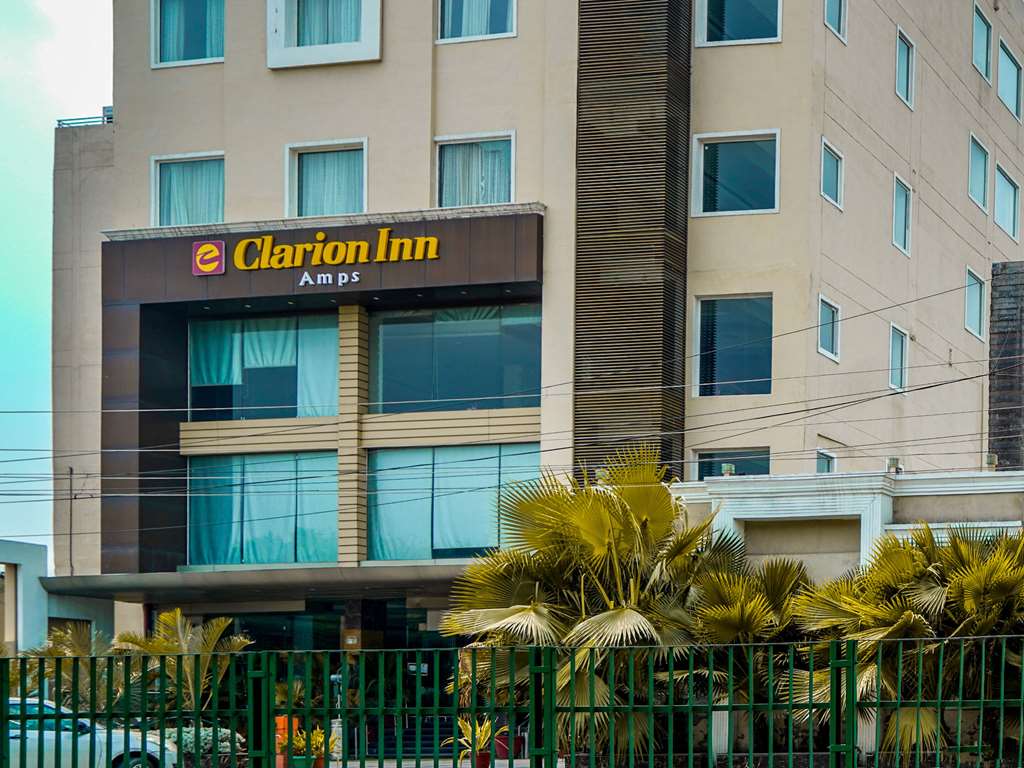
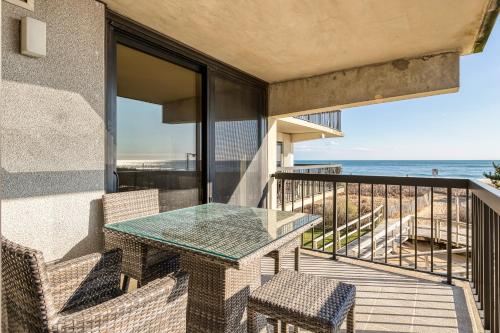
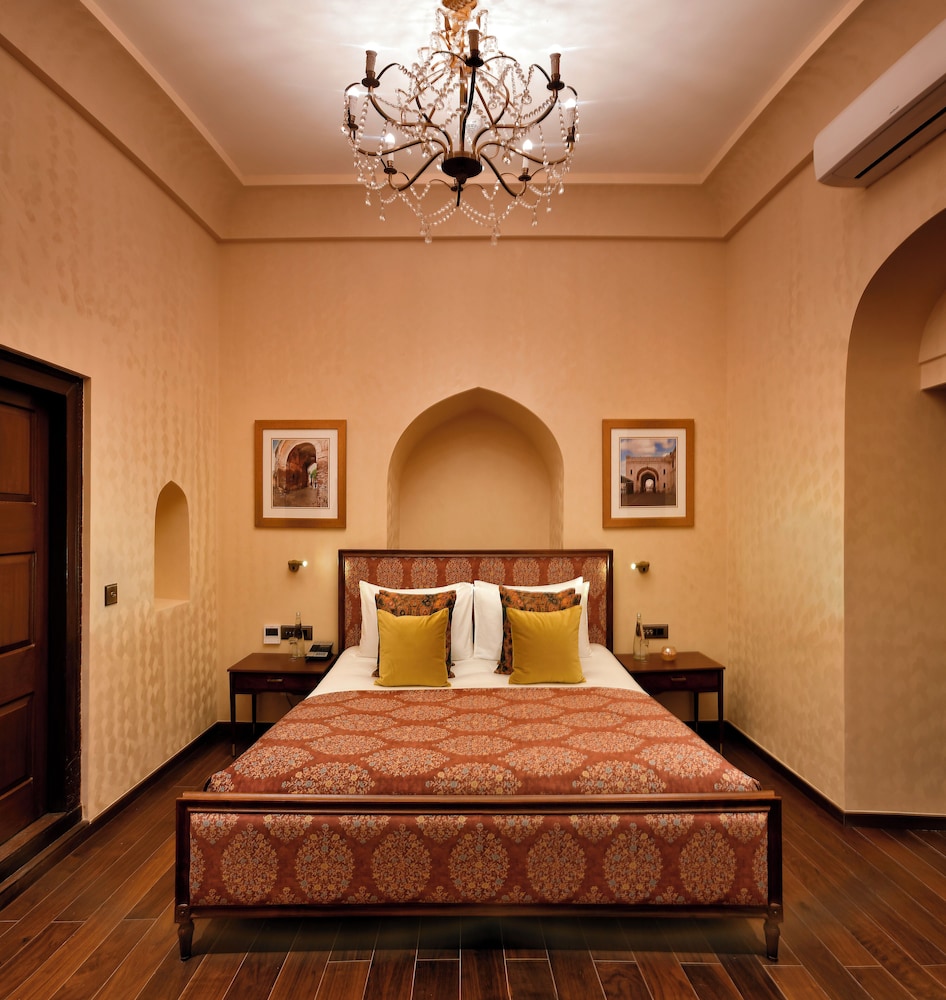
Every hotel we cover in Patiala
- OYO 8576 Hotel Jiwan Plaza 3★ · 3.7/5 · 0.1 km away
- Hotel Tng 3★ · 0.1 km away
- Oyo 40037 Lazeez 2★ · 3.9/5 · 0.8 km away
- Hotel Harbans Residency 3★ · 1.1 km away
- Patiala Retreat 3★ · 1.1 km away
- The Shaurya 3★ · 4.1/5 · 1.2 km away
- Green hotels and restaurant 3★ · 1.4 km away
- Motel Sunrise 3★ · 1.4 km away
- Hotel Mohan Continental 2★ · 3.7/5 · 1.4 km away
- Neemrana’s Baradari Palace 3★ · 4.3/5 · 1.5 km away
- Capital O 44225 Neem Leaf 3★ · 3.9/5 · 1.5 km away
- Oyo 8590 Hotel Sea 2★ · 3.2/5 · 1.6 km away
- Godwin hotel 3★ · 1.7 km away
- Oyo 29950 Hotel Ml Pride 3★ · 3.5/5 · 1.7 km away
- Hotel Ranjit Plaza 1.8 km away
- Kings retreat 3★ · 1.9 km away
- Hotel Kings Retreat 3★ · 3.9/5 · 1.9 km away
- Hotel Ranjit 1★ · 1.9 km away
- Amar Hotel By Grb 3★ · 1.9 km away
- Flyover Classic 3★ · 1.9 km away
- Oyo 29400 Hotel Amar 3★ · 3.6/5 · 1.9 km away
- Hotel AK Suites 4★ · 4.3/5 · 2 km away
- Hotel Narain Continental 3★ · 2 km away
- Hotel Jai Surya 1★ · 4/5 · 2.1 km away
More things to do
All things to do


From the journal
All posts Comparisons & rankings
Hotels with pools in Punjab, ranked
Comparisons & rankings
Hotels with pools in Punjab, ranked
A working shortlist of 9 hotels across Amritsar, Chandigarh, Ludhiana and Mohali where the pool is genuinely usable — not a puddle behind the generator shed.
 Comparisons & rankings
Family-friendly hotels in Punjab, ranked
Comparisons & rankings
Family-friendly hotels in Punjab, ranked
Ten hotels across the state where kids under 10 will not lose their minds and parents will not either — with real notes on pools, kids' menus, and connecting rooms.
 Comparisons & rankings
Family hotels in Amritsar: which belt to book by your kids' ages
Comparisons & rankings
Family hotels in Amritsar: which belt to book by your kids' ages
Amritsar’s family rooms cluster in three belts — Ranjit Avenue near the malls, the Golden Temple walk, and the Airport Road pools — and the right one depends on how old your kids are.